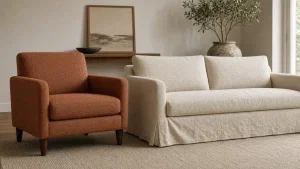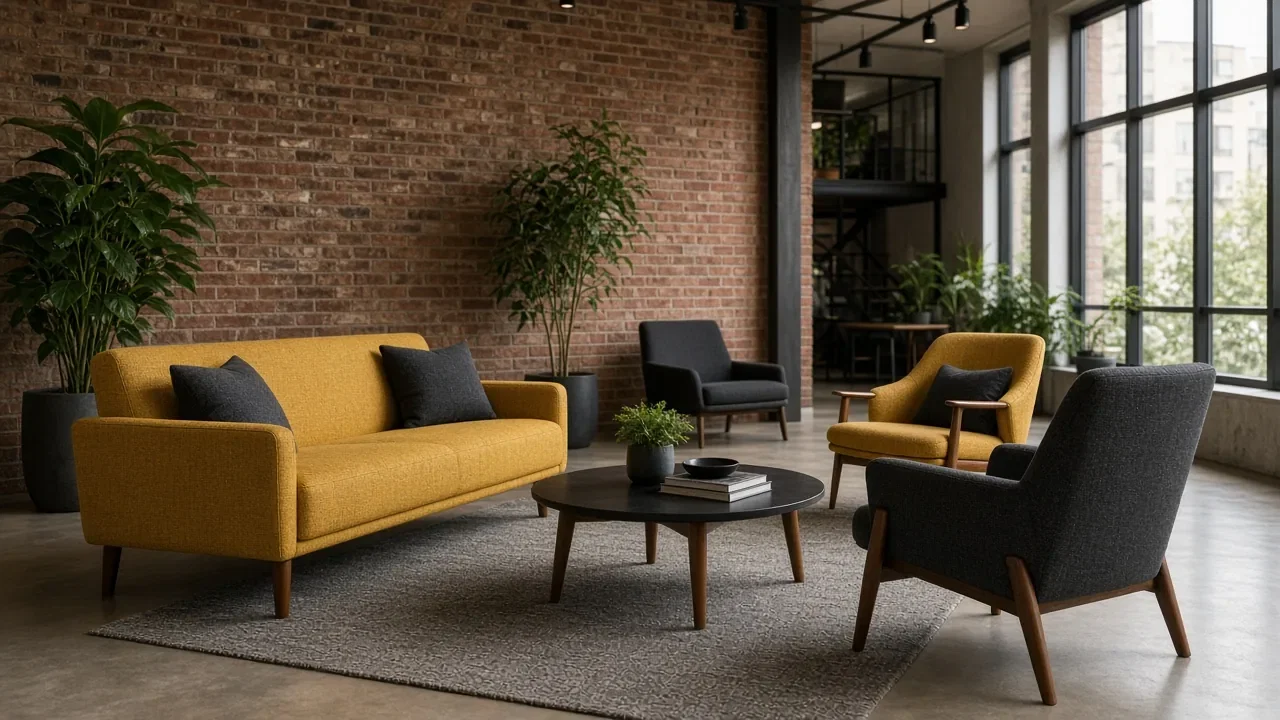
Walk through almost any modern office or coworking space and you’ll notice the same thing: the desks are only part of the story. Lounges, booths, phone pods, soft seating clusters and café-style banquettes have become the places where people actually meet, think and recharge. For many companies, these areas carry a lot of the culture and the first impression.
They also take a beating. Soft seating in a busy workplace is used all day, often by people with laptops, coffee and bags. Fabric pills, cushions flatten, seams open up, and that bright accent color from move-in day starts to look tired. The good news is that much of this furniture is built on solid frames that can be refreshed with reupholstery rather than sent to a landfill.
Here’s how to think about recovering lounge furniture in coworking spaces, tech offices and other modern workplaces.
Why Lounge Seating Wears Out First
Lounge furniture is designed to look relaxed, but it works harder than most office pieces:
- Long sessions. People don’t just perch on a lounge sofa. They sit for hours with a laptop, which compresses foam and stresses seat decks.
- Food and drinks. Lounges often sit near kitchens or coffee bars, so spills are routine.
- Shoes on seats and arms. Casual seating invites casual habits, like feet up on the ottoman or sitting on armrests.
- Lots of different users. In coworking spaces especially, a single sofa might see dozens of people a week.
- Sunlight. Large windows are great for morale but can fade fabric over time.
Desk chairs are often replaced on a cycle, but lounge furniture tends to be expensive and design-forward, so many companies would rather keep the pieces they chose and simply restore them.
What Can Be Reupholstered in a Modern Office
Most soft seating in a workplace can be recovered. Common pieces include:
- Lounge sofas and loveseats in reception and common areas
- Modular seating like sectional pieces, poufs and ottomans
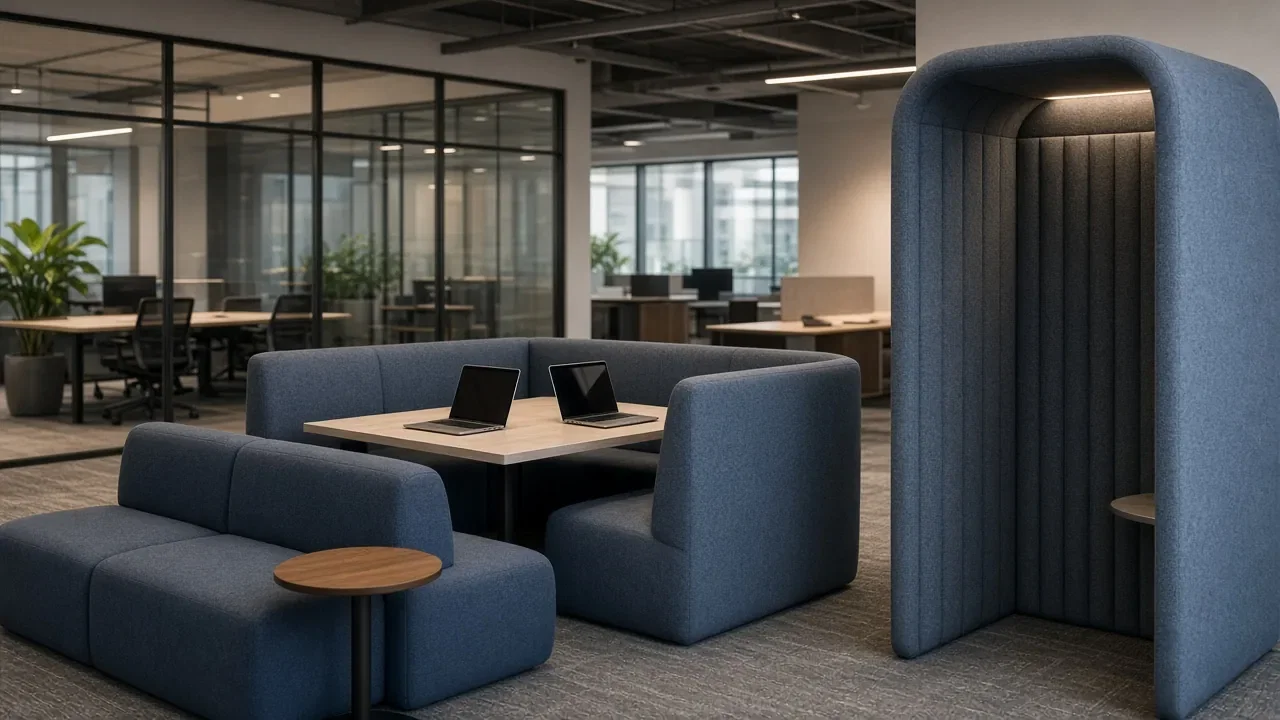
- Booths and banquettes in cafés, kitchens and collaboration zones
- High-back privacy sofas and pods that use upholstered panels for sound and visual privacy
- Accent and lounge chairs, including mid-century inspired designs
- Upholstered wall panels and benches in phone rooms and focus areas
- Conference and guest chairs with padded seats and backs
For more on the range of workplace pieces we handle, see our office furniture upholstery page.
Choosing Fabric for Workplace Lounges
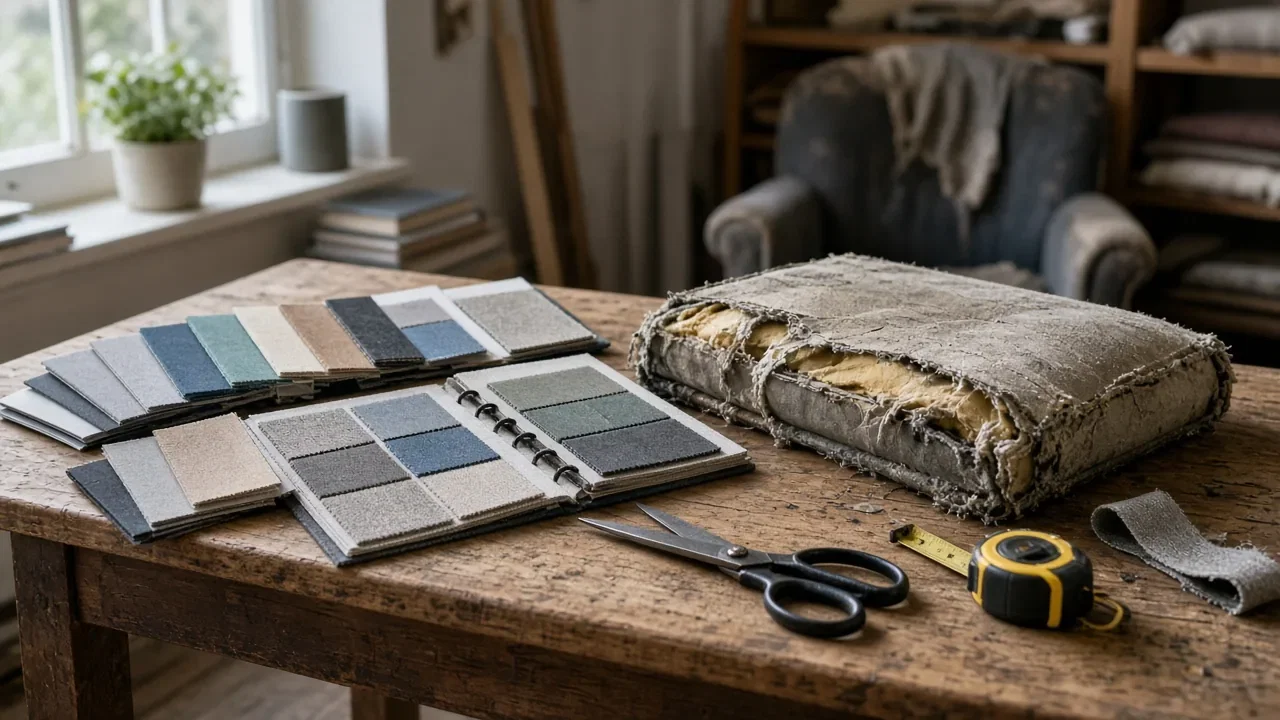
The right fabric makes the difference between seating that looks great for years and seating that looks worn in months. Commercial upholstery fabrics are built for this kind of use, and they come in far more styles than most people expect.
Durability
Commercial fabrics are commonly rated for abrasion in double rubs. Higher numbers generally indicate fabric that holds up better to friction. For busy lounges and booths, it’s worth choosing a fabric rated for heavy-duty commercial use. Ask about pilling resistance too, since some soft, textured fabrics can fuzz up quickly under laptops and jeans.
Cleanability
Look at the manufacturer’s cleaning code and recommendations. Many workplace fabrics are designed to handle water-based cleaners, and some include stain-resistant finishes. For café booths and seating near kitchens, coated fabrics, performance fabrics or commercial vinyls can make cleanup much easier.
Feel and Acoustics
Modern offices often lean toward textured wovens, felts and boucle-style fabrics that feel warm and residential. Soft textiles can also help absorb sound in open spaces, which is one reason high-back sofas and pods use them. Just balance texture with durability, since very loose weaves can snag.
Color and Brand
Lounge areas are a natural place to express a company’s brand. Accent colors on a few pieces can bring a space to life without overwhelming it. A practical tip: mid-tone and heathered colors usually hide everyday wear better than very light solids or deep, flat darks.
Flammability and Code Considerations
Commercial interiors often have fire-safety requirements for upholstered furniture. Requirements vary depending on the building and its use. If you’re unsure what applies to your space, check with your facilities team or building management, and we can help you choose fabrics that are intended for commercial interiors.
Foam, Springs and Structure
Recovering a sofa with fresh fabric over flattened foam gives you a nice-looking seat that still feels tired. When we reupholster lounge furniture, we check the whole piece:
- Seat foam is often the first thing to go. Replacing it with a higher-density commercial foam can restore support and help the new fabric keep a clean shape.
- Back cushions and fill may need new foam, fiber wrap, or a different fill to bring back the original look.
- Webbing and springs can stretch or break with heavy use and can usually be repaired or replaced.
- Frames and glides get inspected for loose joints and worn feet.
This kind of full refresh is often where reupholstery delivers the most value, because the piece feels new, not just looks new.
Reupholstery vs. Replacing Office Lounge Furniture
There are good reasons to recover rather than replace:
- You keep furniture you already like. Many lounge pieces were chosen for a specific look and fit a specific space.
- Better quality frames. Commercial furniture often has sturdy frames that outlast their fabric.
- Less waste. Reupholstery keeps bulky furniture out of the waste stream, which matters to many companies with sustainability goals.
- Design flexibility. A rebrand, a new floor plan or a refreshed color palette can be handled with new fabric instead of new furniture.
- Lead times. Depending on the furniture and fabric, recovering existing pieces can sometimes be faster than waiting on new custom furniture.
Replacement may make more sense when frames are broken or poorly made, when the furniture no longer fits how your team works, or when the style simply isn’t right anymore. We’ll give you an honest assessment.
Why Coworking Spaces Feel the Wear Most
Coworking operators face a challenge that traditional offices don’t. Members and day-pass guests are choosing between spaces, and the look and comfort of the furniture is part of what they’re paying for. A worn sofa in a private company office is an annoyance. In a coworking space, it can quietly affect whether someone signs up or renews.
Coworking lounges also see a higher mix of users than most offices. Different people sit in the same seats throughout the day, and many spaces host events in the evening, which means furniture gets moved, stacked against walls and used in ways it wasn’t designed for. That combination tends to speed up wear on seams, corners and cushions.
A few practical steps help operators stay ahead of it:
- Walk the space regularly with fresh eyes, as if you were a first-time visitor.
- Keep a running list of pieces showing early wear, so you can plan recovers before they become eyesores.
- Standardize fabrics where possible, so future repairs and replacements match.
- Choose tougher fabrics for event areas and lighter-duty options only where use is gentle.
Treating upholstery as part of regular maintenance, rather than an emergency, usually makes budgeting and scheduling much easier.
Planning a Workplace Reupholstery Project
Offices and coworking spaces can’t afford a lounge that’s off-limits for weeks. A little planning keeps things smooth.
Take Inventory
List each piece with its location, approximate size and condition. Photos help a lot. If you have the original manufacturer and model, note it, since it can help with patterns and foam specs.
Prioritize
Start with the most visible or most damaged pieces, like reception seating or the café booth everyone uses. You don’t have to do everything at once.
Phase the Work
Many workplaces recover furniture in phases, a few pieces at a time, so common areas always have somewhere to sit. Evenings, weekends, and slower periods are good for pickup and delivery.
Pick Fabrics Early
Fabric choices and availability can affect timelines. Narrowing down options early, and confirming quantities, keeps the project moving.
Think About Maintenance
Ask about cleaning recommendations for your chosen fabric and share them with your cleaning crew or facilities team.
Leo’s Upholstery works with businesses throughout the East Bay and the wider Bay Area from our shop in San Leandro. Explore our commercial upholstery services to see the types of projects we take on.
Keeping Lounge Furniture Looking Good
Once your seating is refreshed, a few habits help it last:
- Vacuum upholstered pieces regularly to remove grit that wears fibers.
- Address spills quickly using the fabric manufacturer’s recommended method.
- Rotate and flip loose cushions where possible to spread out wear.
- Keep seating out of harsh direct sun or use window treatments where fading is a concern.
- Fix small issues, like a loose seam or broken glide, before they turn into bigger repairs.
Frequently Asked Questions
Can you reupholster modular and branded office furniture?
In many cases, yes. Modular sofas, booths and privacy pods are often built on frames that can be recovered. Photos and the manufacturer name, if you have it, help us assess the piece.
Do you work on-site or in your shop?
Most reupholstery is done in our San Leandro shop, where we have the tools and space to do it right. Some fixed seating may need different arrangements. Tell us about your project and we’ll talk through options.
Can we supply our own fabric?
Often, yes, as long as it’s suitable for upholstery and commercial use. We can also help you choose from commercial fabric lines.
How do we avoid downtime in our common areas?
We usually recommend phasing the work so you always have seating available, and scheduling pickups and deliveries around your busiest times.
Do you also work with restaurants and hospitality spaces?
Yes. We work with offices, coworking spaces, healthcare facilities, restaurants, hotels and other commercial clients.
Refresh Your Workplace Lounge
Your lounge and collaboration areas say a lot about your company. If the sofas are sagging and the booth fabric is fraying, reupholstery can bring them back to life while keeping the furniture you invested in.
Request a quote online or call Leo’s Upholstery at (510) 895-3632. Send photos of your lounge seating and we’ll help you plan a refresh that fits your space and schedule.