You sit down on the sofa and keep sinking. The cushions that used to feel supportive now feel like pancakes, and there’s a permanent dip where everyone sits. Maybe you flip and fluff them every day, but they never bounce back.
Here’s the good news: in many cases, the problem isn’t the whole sofa. It’s the foam inside the cushions. Foam breaks down over time, and replacing it can make a tired sofa or chair feel comfortable again without buying new furniture or even changing the fabric.
This guide explains why cushions go flat, what your options are, and what to expect from professional foam replacement.
Why Cushions Go Flat
Upholstery foam is made of tiny cells that compress when you sit and spring back when you stand. Over thousands of sit-downs, those cells gradually lose their ability to recover. A few factors speed up the process:
- Low-density foam. Many budget and mid-range sofas use lighter foam to reduce cost. It feels fine at first but breaks down faster.
- Heavy daily use. The family sofa or favorite reading chair wears out much faster than a formal living room piece.
- Sitting in the same spot. Everyone has a favorite seat, which concentrates wear on one cushion.
- Heat and sunlight. Foam near sunny windows or heaters can dry out and crumble.
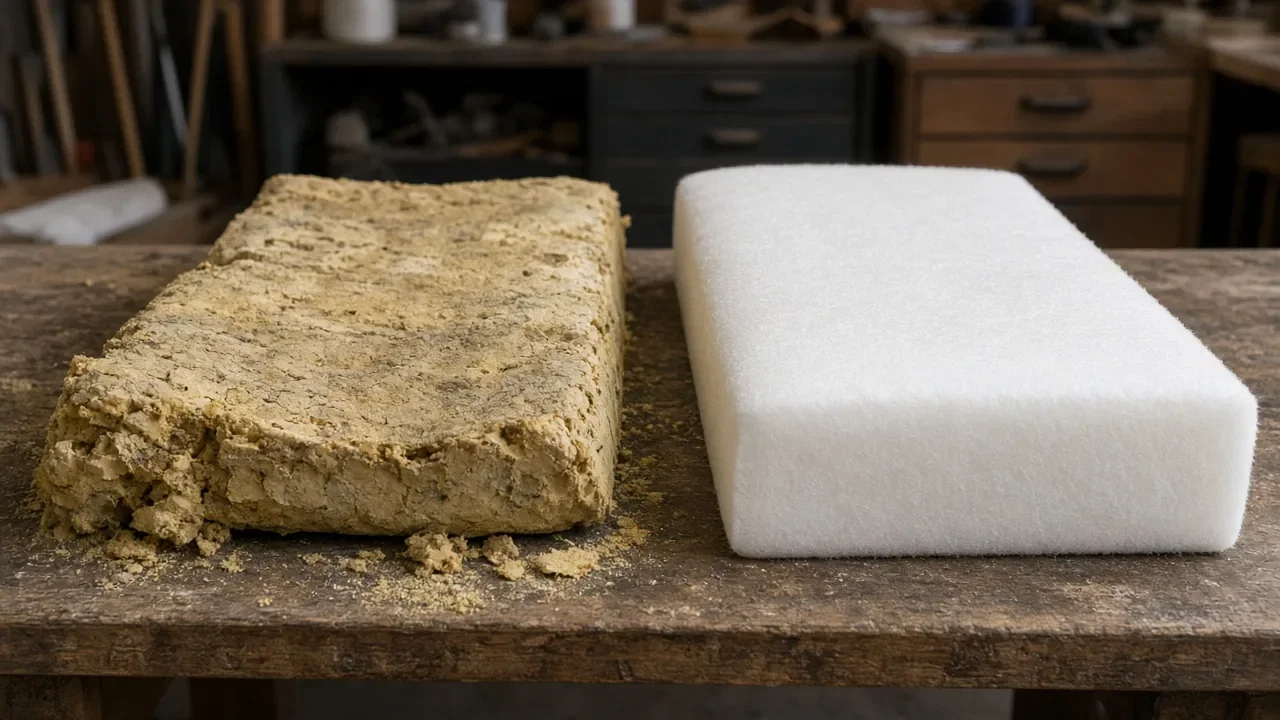
- Age. Even high-quality foam eventually loses resilience, often turning yellow and crumbly.
Some cushions also use fiber or feather fills that clump and shift, leaving cushions lumpy or flat on one side.
Signs Your Cushions Need New Foam
Not sure whether your cushions are worn out or just need a good fluff? These signs usually point to tired foam:
- A visible dip or “butt print” that doesn’t recover after you stand up
- Cushions that look shorter or thinner than when the furniture was new
- Fabric that looks loose, wrinkled or baggy on the cushion
- Feeling the frame or seat deck through the cushion
- Crumbly, yellowed foam bits inside the zipper or on the floor
- One cushion noticeably flatter than the others
- Back cushions that slump down and never return to their original shape
If several of these sound familiar, new foam will likely make a dramatic difference.
Is It the Foam or the Frame?
Before replacing foam, it’s worth checking whether the cushions are really the problem.
- Take the cushions off and press on the seat deck underneath. If it feels firm and even, the foam is likely the issue.
- If the deck sags, feels uneven, or you can feel broken springs or loose webbing, the suspension may need repair too.
- Unzip a cushion, if it has a zipper, and look at the foam. Yellowing, crumbling or a visible dip are signs it’s worn out.
Sometimes it’s both. New foam on top of broken springs won’t solve the problem, so a good upholsterer will check the whole seat.
Understanding Foam Options
Not all foam is the same. When replacing cushion foam, you’ll often hear about a few key factors.
Density
Density refers to how much foam material is packed into a given volume. In general, higher-density foam is more durable and holds its shape longer. It’s often the best choice for seat cushions that get daily use. Density is about durability, not firmness; a high-density foam can still feel soft.
Firmness
Firmness describes how hard or soft the foam feels when you press on it. Some people love a firm, supportive seat; others prefer to sink in. Firmness can be chosen independently of density, so you can have a durable foam that still feels plush.
Foam Types
- Polyurethane foam is the most common upholstery foam and comes in many densities and firmness levels.
- High-resiliency (HR) foam is a premium type of polyurethane foam known for its springy feel and durability.
- Memory foam contours to the body. It’s sometimes used as a top layer but is less common as the main cushion core in sofas.
- Latex foam is resilient and durable, with a buoyant feel.
Your upholsterer can recommend a combination based on how you use the furniture and how you want it to feel.
Wraps and Toppers: The Finishing Touch
Bare foam can look boxy and feel a bit stiff. Most quality cushions are wrapped to soften the look and feel:
- Polyester batting or Dacron wrap rounds the edges, helps the fabric lie smoothly and adds a soft surface feel.
- Down or feather blend wraps give a luxurious, sink-in feel on top of a supportive foam core. They need occasional fluffing.
- Fiber toppers add plushness on top of firmer foam.
Combining a durable foam core with the right wrap is often the secret to cushions that look full and feel great for years.
Matching Comfort to How You Use Your Furniture
The right foam depends on how you sit. A few examples:
- The family movie sofa benefits from durable, high-density foam with a softer wrap, so it’s comfortable for long sessions but holds up to daily use.
- A formal living room sofa can use a firmer foam for a crisp, tailored look, since it’s used less often.
- A reading chair might call for medium foam with a plush topper, so it feels cozy without letting you sink too far.
- Dining chairs usually work best with firmer foam, since you sit upright and want support.
- Window seats and benches often use firmer, thicker foam to stay comfortable on a hard base.
If you’re not sure what you like, think about a sofa or chair you’ve found comfortable elsewhere and describe it. That’s often the best starting point.
Can I Replace Cushion Foam Myself?
It’s possible to buy foam and stuff cushions at home, and for simple, square cushions it can work. The challenges are getting the size exactly right, choosing the right density and firmness, wrapping it neatly and getting it into the cover without tearing seams. Cushions that are T-shaped, angled, boxed with welting or very large are trickier. A professional result usually looks fuller and more even, and the foam is matched to how you use the furniture.
What About Back Cushions?
Back cushions wear differently from seat cushions. Many are filled with loose fiber, feathers or a blend, which can clump, shift or flatten. Options include:
- Refilling with new fiber
- Replacing fill with foam wrapped in fiber for a tidier shape
- Adding baffles (internal compartments) to keep fill from shifting
The Foam Replacement Process
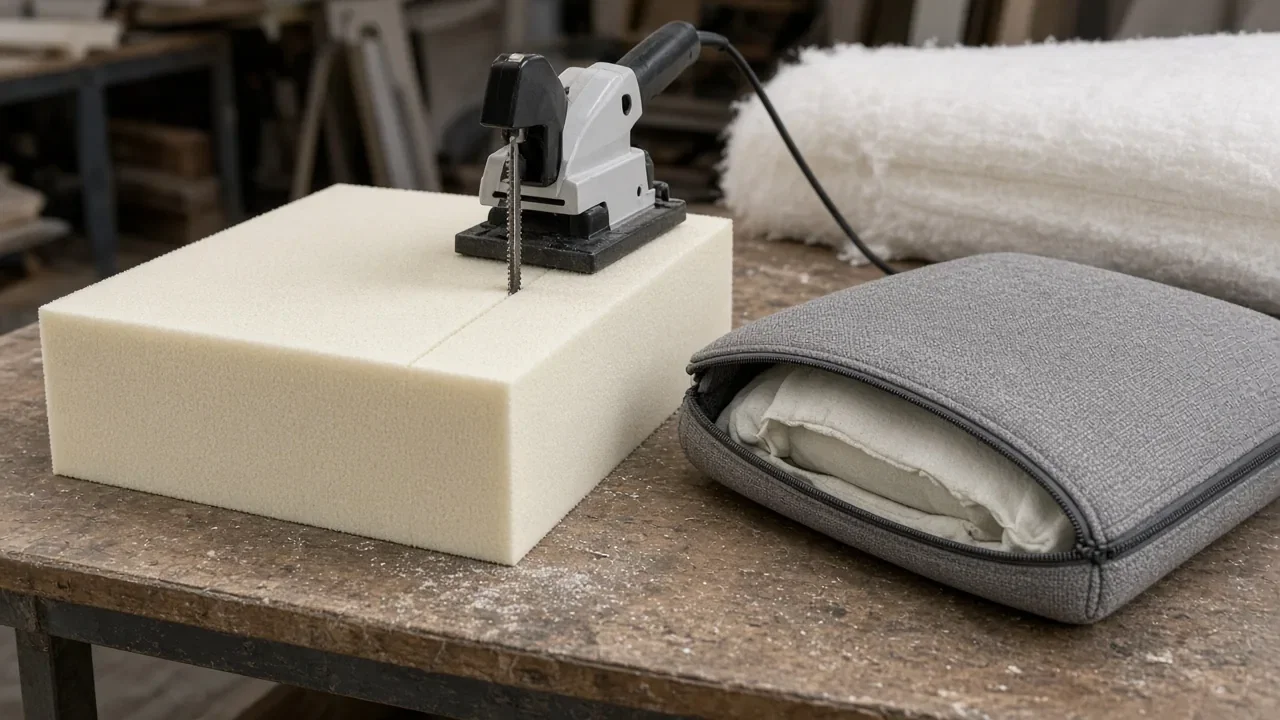
1. Assessment. Photos or a visit help determine cushion sizes, current fill and the condition of the seat deck. 2. Choosing foam. You’ll talk through firmness, density and wrap options, sometimes with samples to feel. 3. Measuring and cutting. New foam is cut to fit each cushion cover precisely, often slightly oversized so the cover looks full. 4. Wrapping. Batting or other wraps are applied. 5. Stuffing the covers. New inserts go into your existing cushion covers. 6. Final fit. Cushions are checked for a crisp, even appearance.
If your covers don’t have zippers, they can sometimes be opened and closed again carefully. This is often a quick project compared with full reupholstery.
Foam Replacement vs. Full Reupholstery
Foam replacement alone makes sense when:
- The fabric is still in good condition and you like it
- The frame and springs are solid
- The main complaint is comfort and appearance of the cushions
Full reupholstery may be a better fit when the fabric is worn, stained or outdated, or when there are frame and suspension issues. Many people choose to replace foam as part of a full reupholstery project, since the cushions are already being rebuilt. You can learn more about sofa and couch upholstery on our site.
Furniture That Benefits From New Foam
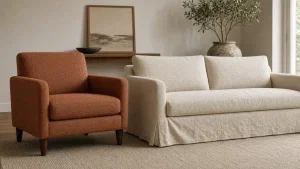
- Sofas and sectionals
- Loveseats and armchairs
- Dining chair seats
- Window seat and bench cushions
- Ottomans
- RV, boat and outdoor cushions (with appropriate foam)
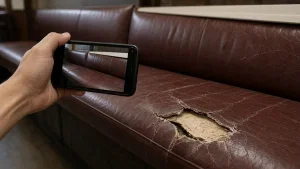
- Commercial seating like booths and waiting room chairs
Tips for Making New Foam Last
- Rotate and flip cushions regularly to spread out wear.
- Rotate seating positions if possible, so one cushion doesn’t take all the use.
- Avoid sitting on the front edge or arms, which stresses foam and frames.
- Keep furniture out of strong direct sun and away from heaters.
- Fluff wrapped cushions to keep down or fiber evenly distributed.
Frequently Asked Questions
How do I know if my cushions need new foam?
If they stay flat after fluffing, feel noticeably softer in one spot, or the foam looks yellow and crumbly inside, it’s likely time.
Can I keep my existing cushion covers?
Usually, yes. If the covers are in good condition, new foam can go right inside them.
Will new foam make my sofa firmer?
It will feel more supportive than worn-out foam. You can choose a firmness level that suits you, from firm to soft.
Can you fix saggy seats that aren’t caused by cushions?
Yes. Broken springs, stretched webbing and loose frames can often be repaired as part of the project.
How long does new foam last?
It depends on the foam’s density, how often the furniture is used and how it’s cared for. Higher-density foam generally holds its shape longer, and regular rotating and flipping helps spread wear evenly.
Can new foam help with back pain from a sagging sofa?
Many people find a more supportive seat more comfortable. While we can’t give medical advice, a firmer, even seat often feels much better than cushions that let you sink unevenly.
Do you replace foam for businesses too?
Yes. Leo’s Upholstery specializes in commercial work, including restaurant booths, office seating and medical furniture, and many of those projects include new foam.
Bring Your Cushions Back to Life
Flat cushions don’t have to mean new furniture. Fresh foam can restore comfort and shape and make your favorite sofa or chair feel like new again. Leo’s Upholstery in San Leandro helps homeowners and businesses across the East Bay and Bay Area. Learn more about our residential upholstery services.
Request a quote online with photos of your cushions and their measurements, or call us at (510) 895-3632.