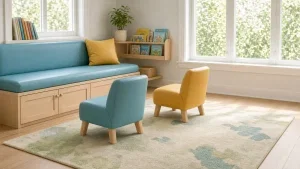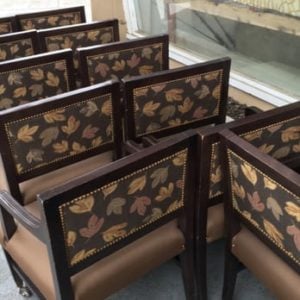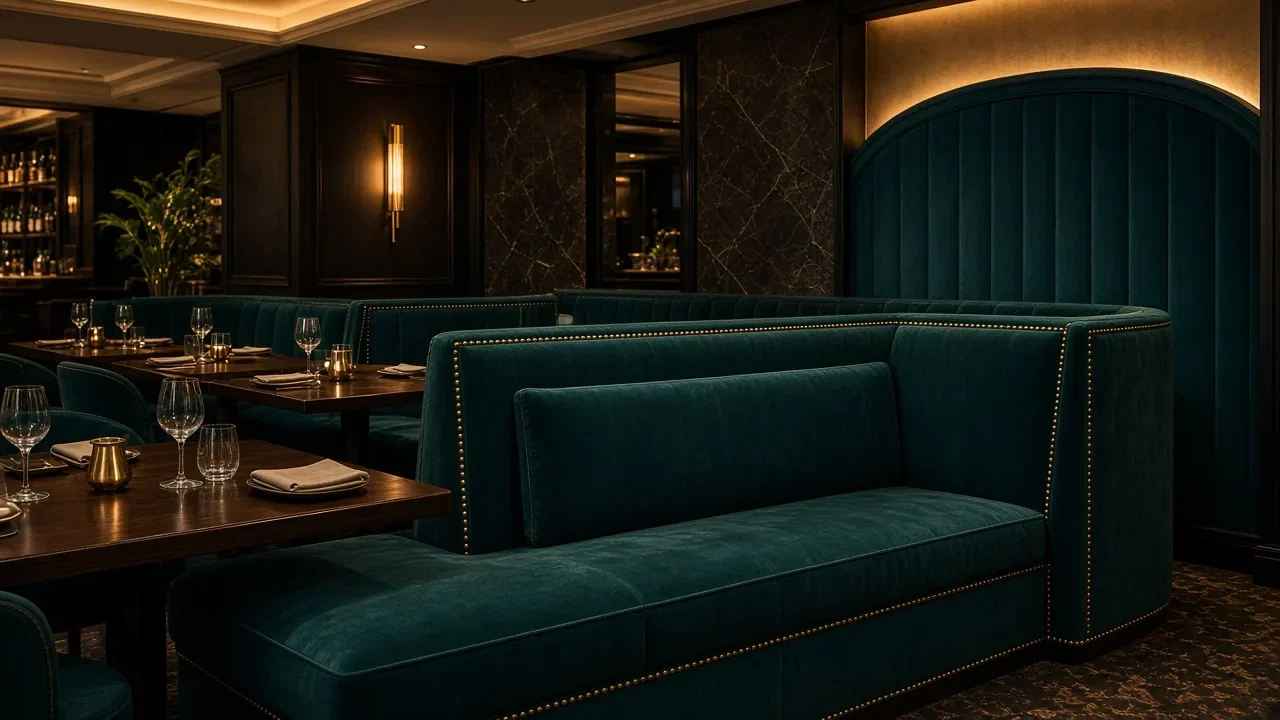
When people think about branding, they usually picture logos, websites, signs and packaging. But for any business with a physical space, the interior is one of the most powerful brand tools available. Customers, clients, patients and guests experience your brand through what they see, touch and feel when they walk in, and seating is a big part of that.
Upholstery is one of the most flexible ways to bring a brand into a space. Color, texture, material and stitching details can all reinforce who you are, whether that is a warm neighborhood restaurant, a sleek tech office, a calming medical practice or a boutique hotel. And because reupholstery can transform existing furniture, it can be a practical way to rebrand or refresh a space without starting from scratch.
This guide explores how Bay Area businesses can use custom upholstery to express their brand, along with practical tips for balancing style with durability.
Why Upholstery Matters for Brand Experience
Seating is one of the few parts of an interior that people interact with directly and for extended periods.
It is highly visible
Booths, lounge chairs, reception seating and bar stools often fill large areas of a room. Their color and style set much of the visual tone of a space.
It is tactile
People touch upholstery. The feel of a soft wool, a smooth leather-look vinyl or a textured performance fabric shapes how they perceive quality and comfort.
It appears in photos
Customers share photos of restaurants, hotels, offices and even waiting rooms. Distinctive seating can become a recognizable part of a business’s image online.
It signals care
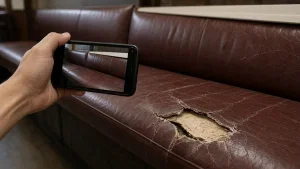
Well-kept, thoughtfully designed seating suggests a business pays attention to details. Worn or mismatched seating can suggest the opposite, regardless of how good the product or service is.
Choosing Brand Colors for Upholstery
Color is usually the starting point for branded upholstery.
Translating brand colors to materials
Brand colors are typically defined for print and screens. Upholstery materials come in their own color ranges, so an exact match is not always possible. Bring your brand color references when you look at samples and compare them in the actual space and lighting. Often a close, complementary shade works better than a literal match.
Using color strategically
You do not have to cover everything in your primary brand color. Many successful spaces use:
- A neutral base on most seating, with brand colors as accents
- Signature pieces such as a statement booth, bench or lounge chair in the brand color
- Accent details like piping, buttons or contrast stitching in brand colors
- Zones where different areas use different colors from the brand palette
Practical color considerations
Lighter colors show stains more quickly, while darker colors can show dust and fading. Very bright colors can be striking but may feel overwhelming in large quantities. Think about how much use each piece gets and how it will be cleaned.
Materials That Express Your Brand
Material choices say as much about a brand as color does.
Leather and leather-look vinyl
Leather and quality leather-look vinyls suggest classic, upscale or timeless brands. They are popular in steakhouses, cocktail bars, law offices and executive suites. Vinyl alternatives can provide a similar look with easier cleaning, which is helpful in busy commercial settings.
Velvet and velvet-look fabrics
Velvet textures create a luxurious, dramatic feel and are popular in boutique hotels, lounges and upscale restaurants. Commercial velvets and performance velvets can offer this look with better durability than residential versions.
Woven and textured fabrics
Tweeds, bouclés and textured weaves feel warm, relaxed and approachable. They work well for cafes, creative offices, coworking spaces and hospitality lounges.
Performance fabrics
Performance fabrics are engineered for stain resistance and cleanability while still offering appealing colors and textures. They can be a good fit for brands that want style without sacrificing practicality.
Healthcare-appropriate materials
Medical, dental and wellness practices can still express a brand while meeting cleanability needs. Healthcare-grade vinyls and textiles now come in a wide range of colors and textures that feel welcoming rather than clinical.
Details That Make Upholstery Feel Custom
Small details are where custom upholstery really stands out.
Stitching patterns
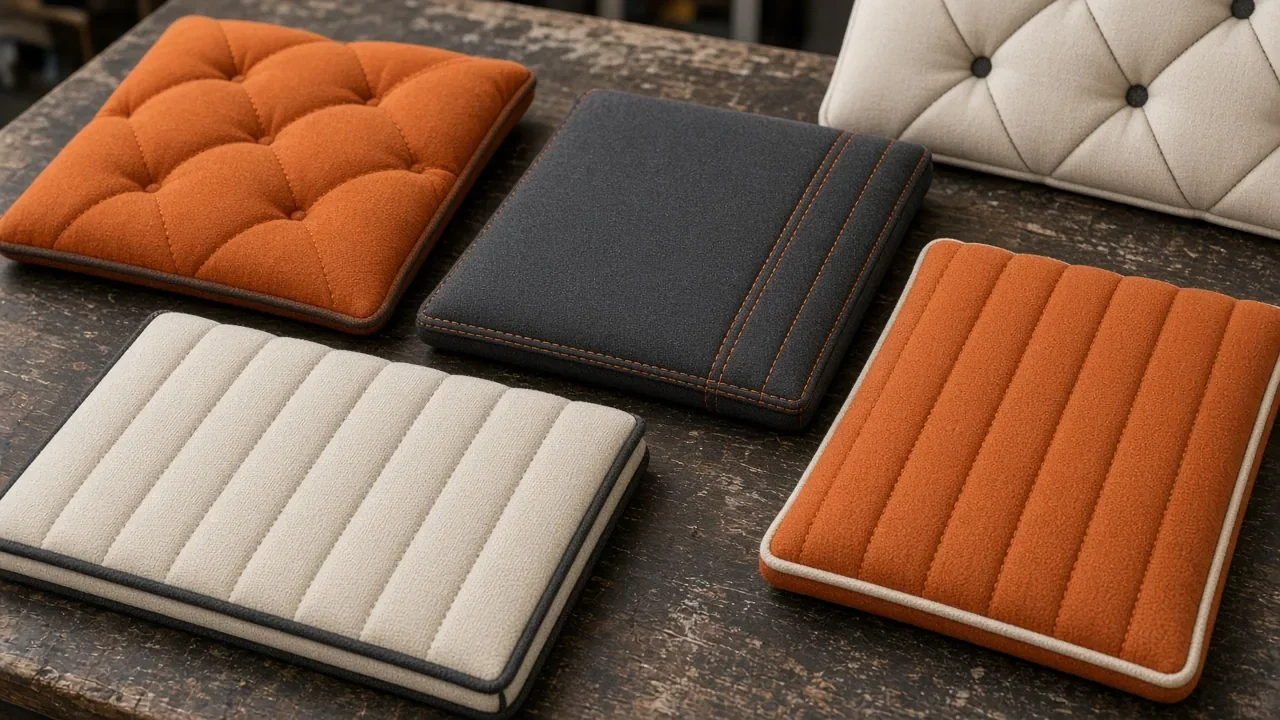
- Channel stitching: vertical or horizontal channels that create a tailored, retro or modern look
- Diamond or biscuit tufting: classic patterns that suggest luxury and craftsmanship
- Contrast topstitching: thread in a contrasting or brand color to outline shapes
Piping and welting
Piping along seams can add definition and a pop of brand color. Double welting and contrast welting are other options that frame a piece.
Buttons and nailheads
Buttons in matching or contrasting materials add texture. Decorative nailhead trim in brass, nickel or black finishes can suggest heritage, craftsmanship or luxury.
Shapes and profiles
Custom booth backs, curved banquettes and unique seat profiles can become signature elements of a space. A skilled upholsterer can often modify existing pieces or build custom seating to fit the design.
Embroidery and logos
Some businesses add embroidered logos or patterns to seat backs or headrests. This works best when used sparingly, on signature pieces rather than every chair. Ask your upholsterer about options and how they affect durability and cleaning.
Matching Branding to Your Industry
Different industries use upholstery branding in different ways.
Restaurants and bars
Booths, banquettes and bar stools are often the most noticeable design elements in a restaurant. Bold colors, distinctive stitching and signature booth shapes can make a dining room memorable, while durable, cleanable materials keep it practical.
Hotels and hospitality
Lobbies, lounges and guest rooms set the tone for a guest’s entire stay. Hotels often coordinate upholstery colors and textures with their brand identity, from welcoming lobby seating to custom headboards.
Offices and corporate spaces
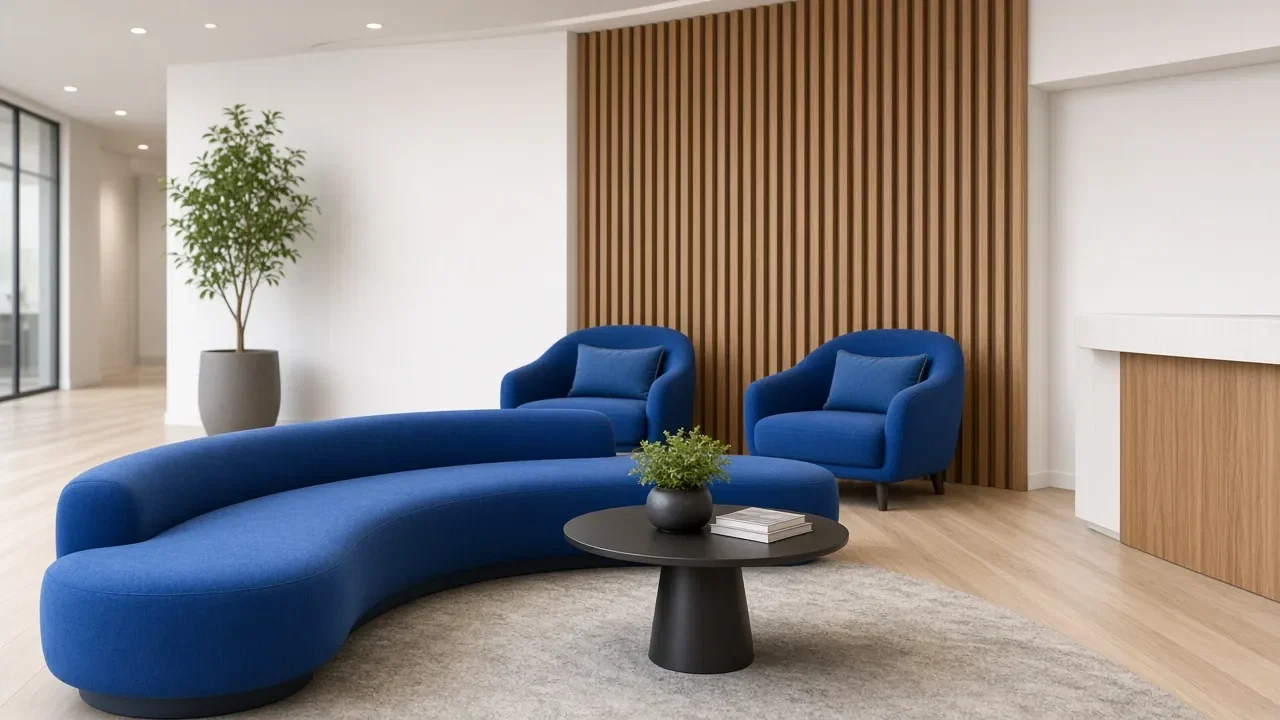
Reception areas, conference rooms and collaborative spaces can reflect company culture. A tech company might use bold, playful colors, while a financial firm might choose refined neutrals with subtle brand accents.
Healthcare and wellness
Medical, dental and chiropractic offices can use calming brand colors and comfortable materials to create a reassuring patient experience, while meeting cleaning needs.
Retail and salons
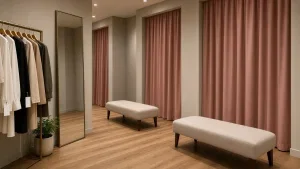
Shops, salons and barbershops can use seating to extend their brand into every customer interaction, from fitting room benches to styling chairs.
Building a Consistent Brand Across Multiple Locations
For businesses with more than one location, consistency matters. A restaurant group, a chain of clinics or a company with several offices wants customers to recognize the brand wherever they go. Upholstery can help tie those locations together.
The key is documentation. Once you settle on materials, record the manufacturer, pattern name, color, stitching style and any special details for each type of seating. That specification becomes a standard that can be used for future locations, repairs and recovering projects. Choosing materials that are likely to remain available helps keep locations matching over time. Ask your upholsterer about the long-term availability of the materials you are considering, and consider keeping a small reserve of fabric for repairs.
Consistency does not have to mean every location looks identical. Many brands use a core palette and signature details across all locations, while allowing each space some local character through accent colors or materials that suit the neighborhood.
Measuring the Impact
It can be hard to put a number on design, but many businesses notice the effects of a refreshed, branded space. Customers comment on it. Staff feel prouder of where they work. Photos look better on social media and review sites. Over time, a space that feels intentional and well cared for supports the reputation you are building with every other part of your brand. A thoughtful upholstery project is one of the more approachable ways to get there.
Balancing Branding With Durability
Brand impact only lasts as long as the upholstery does. Keep these practical points in mind:
- Match materials to use. High-traffic seating needs commercial-grade durability.
- Plan for cleaning. Choose materials that can handle your cleaning routine.
- Consider fading. Seating near windows may need fade-resistant materials.
- Check flammability requirements. Commercial spaces may have code requirements for upholstered furniture. Ask your upholsterer for material documentation.
- Think long term. Trendy colors can date quickly. Using bold colors on accents and classic tones on large pieces can extend the life of a design.
Rebranding With Reupholstery
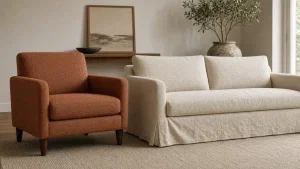
When a business updates its brand, replacing every piece of furniture can be expensive and slow. Reupholstery offers a practical alternative. Solid frames can be recovered in new colors and materials that reflect the updated brand, often with less disruption and a smaller budget than buying new. It is also a more sustainable choice that keeps good furniture out of the landfill.
Working With a Commercial Upholsterer on Branded Seating
To get the best results:
- Bring brand guidelines. Share color references, mood boards and inspiration photos.
- Request samples. Look at materials in your actual space and lighting.
- Ask for a prototype. For large projects, recovering one piece first lets you confirm colors and details.
- Coordinate with designers. If you work with an interior designer, include them early.
- Plan the schedule. Large branded projects can be phased to keep your business running.
Frequently Asked Questions
Can upholstery be matched exactly to our brand colors?
Exact matches are not always possible, but there are many commercial materials in a wide range of colors. Comparing samples in your space helps find the closest fit.
Can you add our logo to seating?
Often, yes, through embroidery or other techniques. It usually works best on a few signature pieces.
Is it better to reupholster or buy new branded furniture?
If your existing frames are solid and suit your space, reupholstery is often a cost-effective, sustainable way to bring in your brand.
Will branded details hold up in a busy space?
Choosing commercial-grade materials and durable details helps them last. Your upholsterer can recommend options for heavy-use areas.
Request a Quote for Custom Branded Upholstery
Leo’s Upholstery helps restaurants, hotels, offices, clinics and retailers across the East Bay and greater Bay Area bring their brands to life through custom upholstery. From our shop at 1835 E. 14th Street in San Leandro, we can help you choose colors, materials and details that reflect your brand and stand up to daily use. Explore our custom upholstery and commercial upholstery services, then request a quote or call (510) 895-3632. We are open Monday through Friday from 8 AM to 4:30 PM and Saturday from 7 AM to noon.