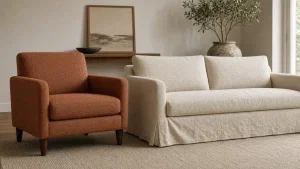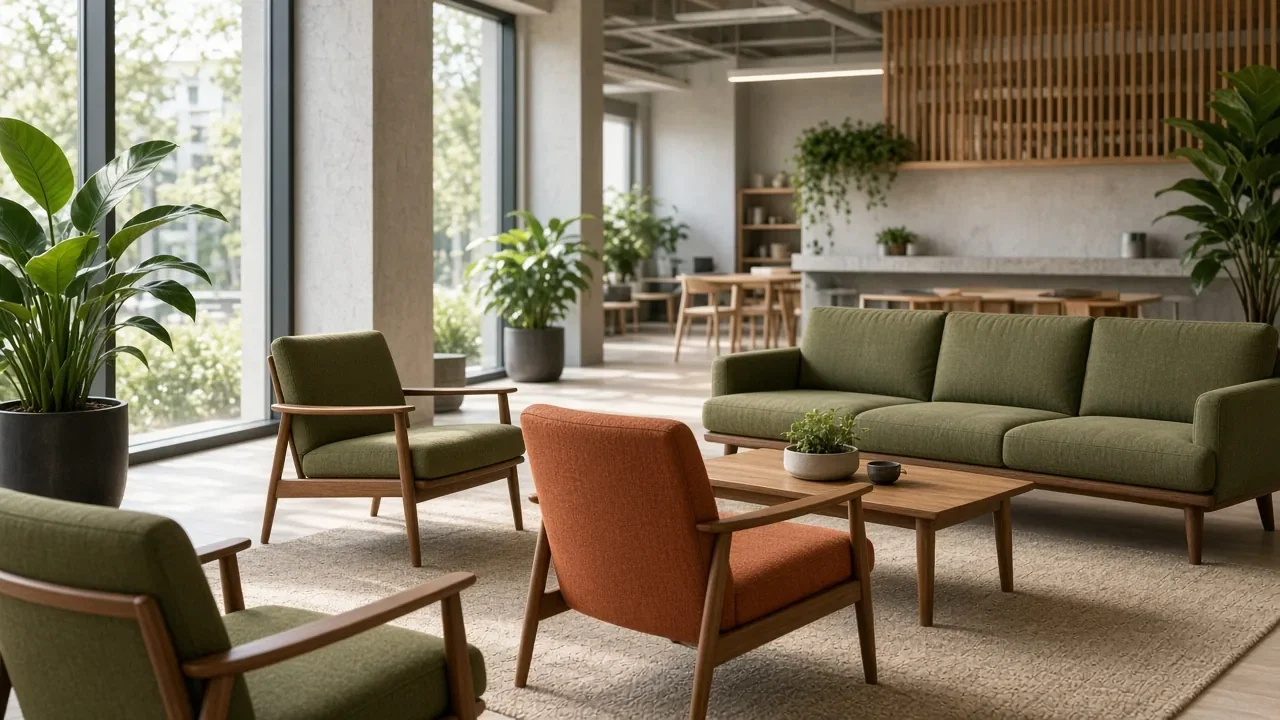
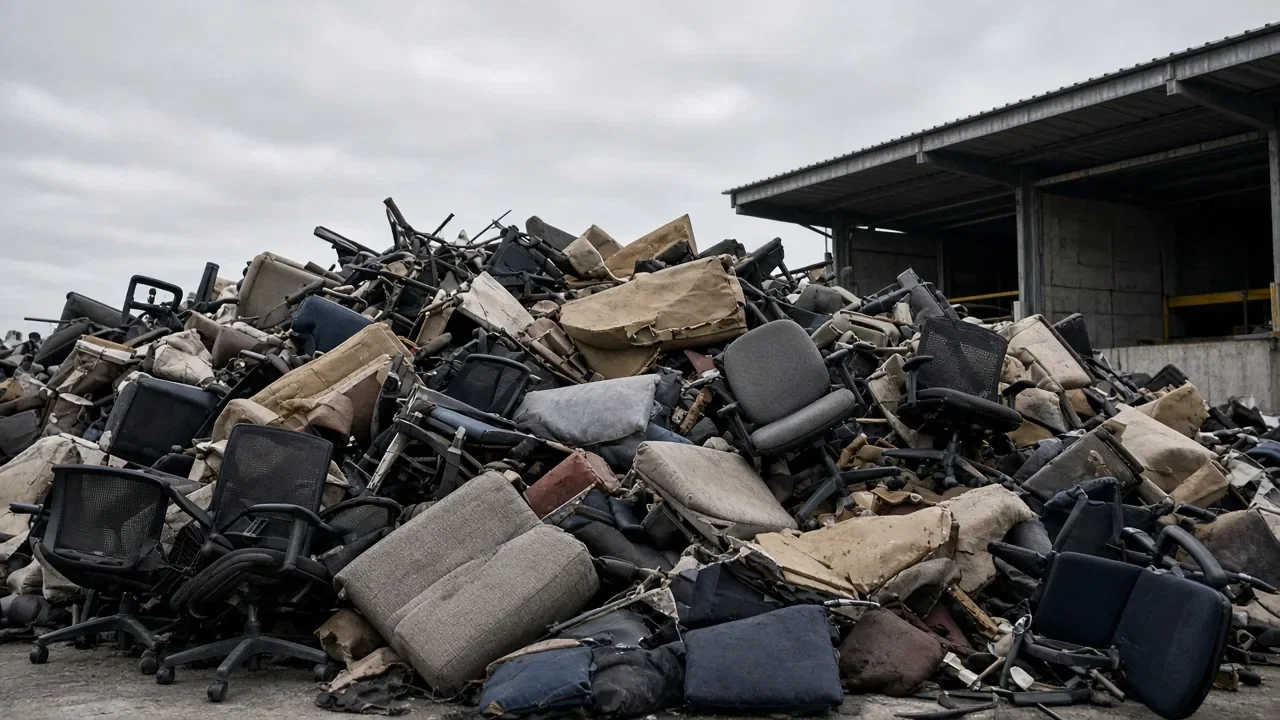
Every day, businesses across the country throw away furniture that is still structurally sound. Office chairs with a torn seat, restaurant booths with cracked vinyl, hotel lounge chairs with faded fabric and waiting room seating with worn cushions often end up in dumpsters even though the frames underneath could last for many more years.
Upholstered furniture is bulky, made of mixed materials and difficult to recycle, so much of it ends up in landfills. For businesses that care about sustainability, or simply want to spend wisely, reupholstery offers a better path. By replacing only the parts that wear out, reupholstery keeps good furniture in use, reduces waste and still gives a space a fresh, updated look.
This guide explains why reupholstery is one of the most practical sustainability moves a Bay Area business can make, and how to get the most environmental and financial value from it.
The Problem With Disposable Furniture
Furniture used to be built and maintained for decades. Today, it is common for businesses to replace furniture on a set cycle or as soon as it looks worn. That habit carries real environmental costs.
Furniture is hard to recycle
Upholstered pieces combine wood, metal, plastic, foam, fabric, staples and glue. Separating those materials takes time and labor, so recycling options for upholstered furniture are limited in many places. As a result, a large share of discarded furniture is landfilled.
Bulky waste takes up space
Sofas, booths and lounge chairs take up a lot of room in landfills and in the trucks that haul them. Even when furniture is collected for disposal, it adds to the volume of waste communities have to manage.
New furniture has its own footprint
Manufacturing new furniture uses raw materials, energy and transportation. Frames may be made from wood or metal, foam is typically made from petroleum-based materials, and pieces are often shipped long distances. Every time a business replaces furniture that could have been restored, it adds that footprint again.
How Reupholstery Reduces Waste
Reupholstery works because furniture does not wear out evenly. The parts people touch, like fabric, vinyl and foam, wear out much faster than frames, springs and bases.
Keeping the frame
The frame is usually the most resource-intensive part of a piece of furniture. Hardwood frames, steel bases and quality springs can last for decades. Reupholstery keeps those components in service and replaces only what is worn.
Replacing only what is needed
A skilled upholsterer will assess each piece. Sometimes only the cover needs replacing. Sometimes the foam needs replacing too. Springs, webbing and frame joints can often be repaired rather than replaced. This targeted approach uses fewer new materials than buying a whole new piece.
Extending life cycles
Many quality commercial pieces can be reupholstered more than once. Over the life of a frame, that can mean many years of avoided replacement purchases and avoided waste.
Choosing More Sustainable Upholstery Materials
Reupholstery is already a sustainable choice, but material decisions can make it even better.
Durable materials last longer
The most sustainable material is often the one that lasts the longest. Choosing commercial-grade fabrics and vinyls rated for heavy use means the new upholstery will not need to be replaced as soon. A cheaper, less durable fabric that wears out quickly can end up creating more waste.
Recycled-content fabrics
Many textile manufacturers offer upholstery fabrics made partly from recycled materials, such as recycled polyester. Ask your upholsterer whether recycled-content options are available that meet your durability and cleanability needs.
Natural fibers
Wool, cotton and linen blends can be good choices for some spaces. They are renewable, and some blends perform well in commercial settings. Keep in mind that natural fibers may need different care and may not suit spaces with heavy spills or frequent disinfection.
Low-emission foam and materials
Some foams and fabrics are certified by third-party programs for low chemical emissions, which can help with indoor air quality. If this matters for your project, ask for documentation on the materials you are considering.
Avoiding unnecessary chemical treatments
California’s flammability standard for upholstered furniture, TB 117-2013, focuses on smolder resistance, which has made it easier to find materials that comply without added flame retardant chemicals. Labels indicate whether flame retardants were added. Commercial spaces may still have additional code requirements, so confirm what applies to your building.
Sustainability and Your Business Goals
Many businesses now set sustainability goals, report on environmental performance or pursue green building certifications. Reupholstery can support those goals in several ways.
Waste reduction
Keeping furniture in use rather than sending it to the landfill directly reduces the waste your business produces.
Green building projects
Some green building rating systems and sustainable design programs give credit for reusing furniture or using materials with recycled content. If your project is pursuing a certification, ask your design team how reupholstered furniture might contribute.
Telling your story
Customers, employees and partners increasingly care about sustainability. Restoring furniture rather than replacing it is a simple, visible way to show that your business takes waste seriously. It can be a good story to share on your website or social media.
What Happens During a Sustainable Reupholstery Job
It helps to know what actually happens when a piece is reupholstered, because each step is a chance to save materials.
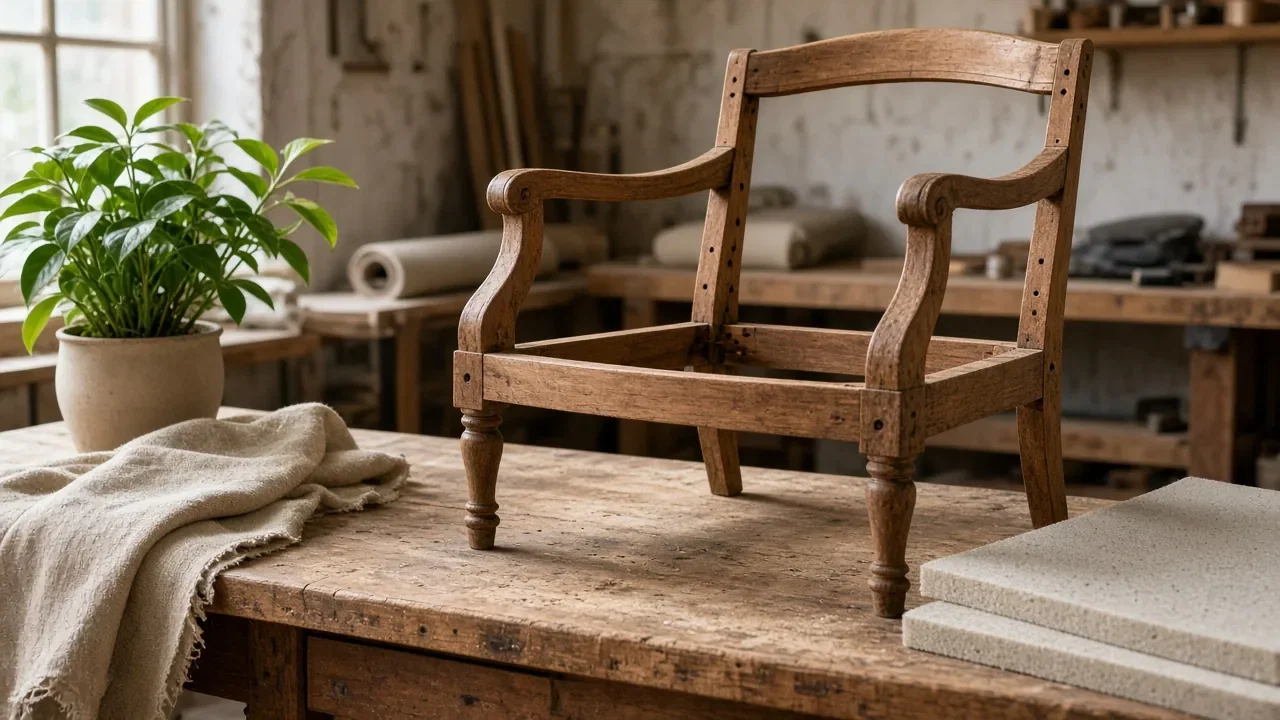
First, the upholsterer inspects the piece and removes the old cover carefully. Old fabric often serves as a pattern for the new cover, which helps reduce cutting waste. Next, the frame is checked. Loose joints can be reglued and clamped, broken corner blocks replaced, and worn webbing or springs retied or replaced only where needed.
Then the padding is evaluated. Foam that still has good support can sometimes be reused with a fresh wrap, while compressed or crumbling foam is replaced. Finally, the new material is cut, sewn and fitted. A careful layout plan can make efficient use of each roll of fabric, especially on large multi-piece jobs where patterns repeat.
The result is a piece that looks and feels new but uses only a fraction of the new materials a replacement would require.
The Bay Area Context
Many Bay Area cities and businesses have made waste reduction a priority, and local programs often encourage reuse, repair and recycling over disposal. Bulky items like furniture can be particularly challenging for local waste systems. Choosing to restore furniture rather than discard it is one small way businesses can support those community goals while managing their own costs.
Local reupholstery also keeps work close to home. Instead of shipping new furniture across long distances, businesses can have existing pieces restored by a nearby shop, which reduces transportation and supports local craftspeople.
Reupholstery Also Makes Financial Sense
Sustainability and cost savings often go hand in hand. Recovering quality furniture is frequently less expensive than buying comparable new commercial pieces, especially when you consider delivery, installation and disposal of the old furniture. It can also be faster than waiting on long lead times for new furniture orders.
There are also benefits that are harder to price. Keeping existing furniture means it already fits your space and your workflow. In older buildings, restaurants and historic properties, original furniture often has character that new pieces cannot match.
When Replacement Is the Better Choice
Reupholstery is not always the right answer. Replacement may make sense when:
- Frames are cracked, warped or broken beyond practical repair
- Furniture is poorly built and would not last even with new upholstery
- The piece no longer meets the needs of the space, such as ergonomic or accessibility requirements
- A complete redesign calls for different types of furniture
Even then, it is worth asking whether old furniture can be donated, resold or partially recycled rather than sent straight to the landfill.
Practical Steps for a More Sustainable Furniture Program
Businesses can build sustainability into how they manage furniture:
- Inventory and assess. Know what you have and which pieces are worth restoring.
- Maintain proactively. Regular cleaning and early repairs extend life and delay the need for full recovering.
- Choose durable materials. Prioritize materials rated for your level of use.
- Standardize. Consistent materials make it easier to repair and recover pieces over time.
- Recover in batches. Planned programs reduce trips and make material ordering more efficient.
- Think beyond disposal. When furniture truly reaches the end of its life, look for donation or recycling options first.
Sustainability at Home
The same ideas apply to residential furniture. A well-made sofa, a family armchair or a dining set with solid frames can often be reupholstered for a fresh look and many more years of use. For homeowners who value quality and want to reduce waste, recovering a favorite piece can be a better choice than buying a lower-quality replacement.
Frequently Asked Questions
Is reupholstery really better for the environment?
In general, keeping existing furniture in use avoids the materials, energy and waste associated with manufacturing new furniture and disposing of old pieces. Reupholstery replaces only the worn parts.
Can reupholstered furniture be recovered again later?
Often, yes. Quality frames can be reupholstered multiple times over their life.
Are there eco-friendly upholstery fabrics for commercial use?
Many manufacturers offer recycled-content and low-emission fabrics designed for commercial use. Your upholsterer can show options that fit your needs.
What happens to the old fabric and foam?
Practices vary. Ask your upholsterer how they handle removed materials and whether any can be recycled locally.
Does reupholstery take longer than buying new?
Not necessarily. Large orders of new commercial furniture can involve long lead times, while reupholstery can often be scheduled in batches so your space stays usable throughout the project.
Request a Quote for Sustainable Reupholstery
Leo’s Upholstery helps businesses and homeowners across the East Bay and greater Bay Area give solid furniture a second life. From our shop at 1835 E. 14th Street in San Leandro, we recover commercial seating, restaurant booths, office furniture, lounge chairs and residential pieces with durable materials chosen to last. Learn more about our commercial upholstery services and residential upholstery services, then request a quote or call (510) 895-3632. We are open Monday through Friday from 8 AM to 4:30 PM and Saturday from 7 AM to noon.