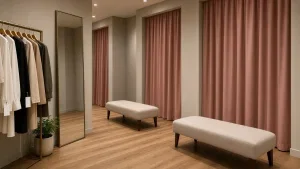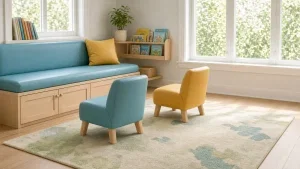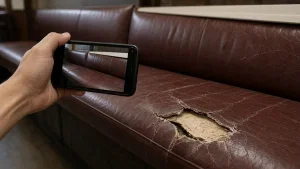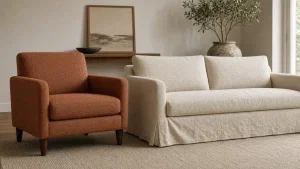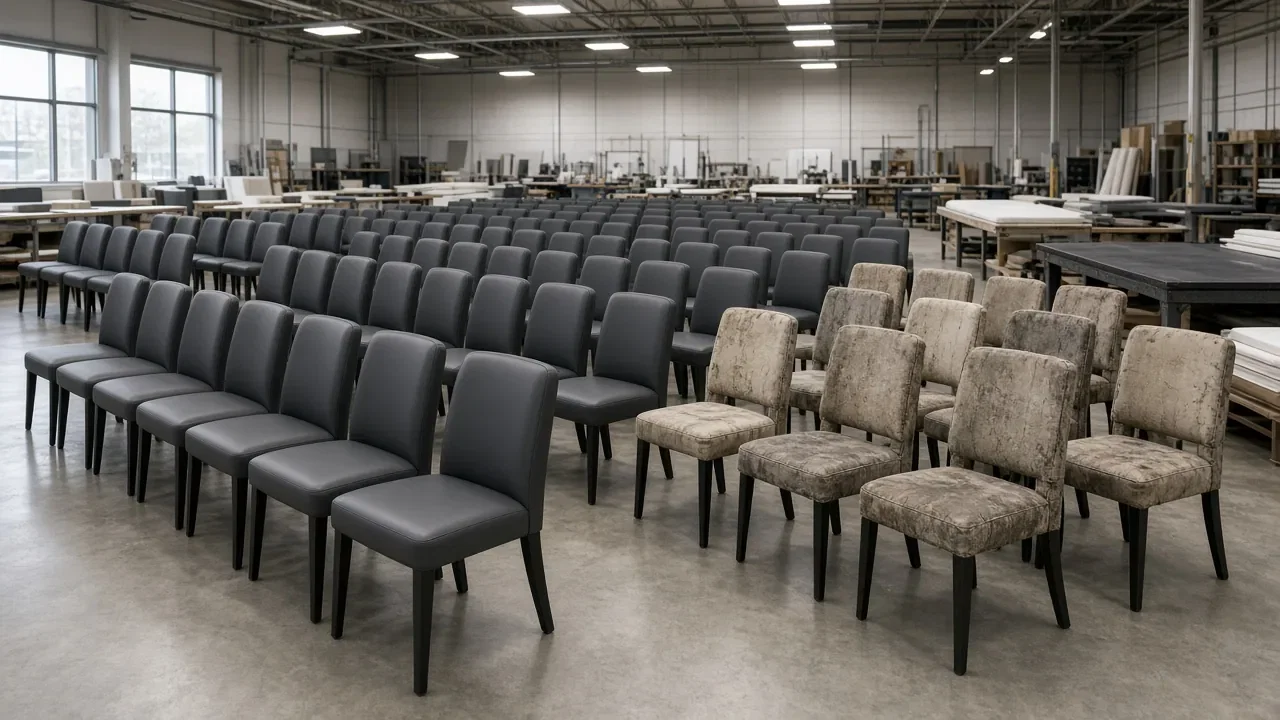
Recovering one chair is simple. Recovering eighty dining chairs, twenty booths, a hotel’s worth of lobby furniture or every task chair in an office is a different kind of project. When a business has many matching pieces, the challenge is not just the upholstery work itself. It is keeping the restaurant open, the clinic seeing patients, the office working and the guests comfortable while the furniture is being refreshed.
That is where a planned, multi-piece reupholstery program comes in. Sometimes called fleet reupholstery, this approach treats a large group of furniture as one coordinated project, with a clear inventory, consistent materials and a schedule designed around the business. Done well, it can refresh an entire space with very little disruption.
This guide explains how Bay Area restaurants, hotels, offices, healthcare providers, schools and other organizations can plan and run a successful multi-piece reupholstery program.
Why a Program Approach Works Better
When businesses handle large furniture groups piece by piece, a few problems tend to show up.
Mismatched seating
Recovering chairs one at a time over months or years often leads to slight color differences between dye lots, changes in available materials, or a mix of old and new pieces that makes a room look patched together.
Repeated disruption
Every one-off repair means a pickup, a gap in seating and coordination with staff. Grouping work into a planned program can reduce how often the business is interrupted.
Missed efficiencies
When a shop knows it will recover many identical pieces, it can order materials in larger quantities, set up patterns once, and work through the pieces systematically. Those efficiencies often show up in pricing and turnaround. Ask your upholsterer how volume affects your quote.
Better budgeting
A program with a defined scope and schedule makes costs predictable, which helps with budgeting and approvals.
Step 1: Build an Inventory
Every successful program starts with knowing exactly what you have.
- Count each type of piece. Separate dining chairs, bar stools, booths, benches, lounge chairs and other pieces.
- Group identical pieces. Note models, sizes and styles, since each group may need its own pattern.
- Note condition. Mark which pieces need just new covers, which need new foam, and which have frame issues.
- Take photos. Include overall shots, close-ups of damage and any manufacturer labels.
- Measure booths and banquettes. Fixed seating should be measured and photographed in place.
Many businesses find it helpful to tag each piece with a number. That makes it easy to track which pieces have gone to the shop and which have returned.
Step 2: Choose Materials Once
Material decisions shape the whole program.
Durability and use
Choose commercial-grade materials suited to the setting. Restaurants and hospitality spaces often favor cleanable vinyls or performance fabrics. Offices may prefer breathable fabrics on task chairs. Healthcare settings need materials that tolerate disinfectants.
Availability
For large programs, especially ones that will be phased over time, choose materials that are likely to stay available. Ask your upholsterer whether a material is a stock item or at risk of being discontinued. In some cases it makes sense to order enough material for the entire program up front, so every piece matches.
Dye lots
Colors can vary slightly between production runs. Ordering material for the whole program at once, or at least for large phases, helps keep color consistent.
Samples and approval
Get physical samples, look at them in the actual space and lighting, and have decision makers sign off before the first piece is recovered. Changing materials halfway through a program is costly and can leave mismatched furniture.
Step 3: Plan the Schedule Around Your Operations
The schedule is the heart of a low-disruption program.
Work in batches
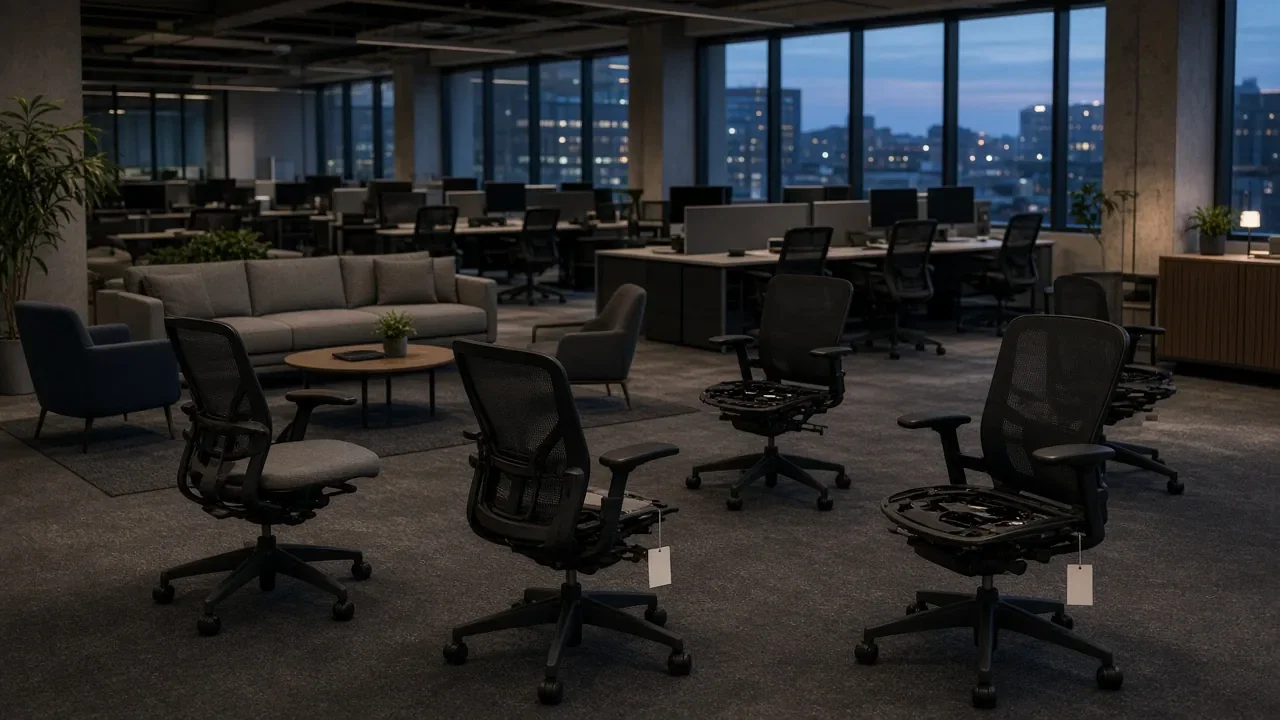
Instead of removing everything at once, divide the furniture into batches. For example, a restaurant might send a set number of chairs at a time, keeping enough seating on the floor to serve guests. An office might recover chairs one department at a time.
Use off-hours
Pickups after closing and returns before opening can make the work nearly invisible to customers. Many businesses schedule pickups on their slowest night or around planned closures.
Swap cushions, not furniture
Many chairs, booths and benches have removable seats and backs. When possible, only the cushions travel to the shop while the frames stay in place. Some businesses even order a set of extra cushions so recovered ones can be swapped in immediately, with the removed cushions then recovered for the next swap.
Coordinate with seasons and events
Restaurants may plan around holidays and peak seasons. Hotels may work during lower-occupancy periods. Schools often use summer and winter breaks. Clinics may stagger work around patient schedules.
Build in a buffer
Leave some slack in the schedule for material delivery, unexpected repairs found once covers are removed, and your own business needs.
Step 4: Handle Fixed Seating Carefully
Booths, banquettes and built-in benches require extra planning.
- On-site or in-shop? Some booth seats and backs can be removed and taken to the shop. Others may need to be worked on in place.
- Overnight work. For fixed seating that cannot be removed, overnight or closed-day work can keep the dining room open during business hours.
- Section by section. Large banquettes can often be done in sections so part of the seating remains usable.
Your upholsterer should visit and assess fixed seating before giving a schedule.
Step 5: Track Progress and Quality
Clear tracking keeps a large program on course.
- Use the tag numbers from your inventory to log pickups and returns.
- Inspect the first batch closely. Confirm the material, stitching, fit and comfort are exactly what you expect before the rest proceeds.
- Keep a single point of contact on your side and the upholsterer’s side to avoid miscommunication.
- Note any extra repairs discovered during the work, such as loose frames, and approve them as they come up.
Communicating With Staff and Customers
A reupholstery program goes more smoothly when everyone knows what is happening. Before work begins, let managers and front-line staff know the schedule, which areas will be affected and when furniture will be picked up and returned. Staff can then plan table layouts, seating charts or room bookings around the work.
For customer-facing businesses, a little communication can turn the project into a positive. A short note on a menu, a sign in a waiting room or a mention on social media that you are refreshing your seating shows customers you care about their comfort. Most people are happy to see a business investing in its space.
It also helps to designate one person who knows the program well. That person can answer staff questions, confirm pickups and returns, and keep track of any pieces that need special attention.
Planning for the Future
A successful program does not have to end when the last chair is returned. Keep your inventory, tag numbers and material information on file. Note the fabric names, colors and suppliers, and consider holding a small amount of extra material for future repairs. When a chair is damaged later, it can be recovered to match quickly. And when the next full refresh comes around, much of the planning will already be done.
Common Settings for Multi-Piece Programs
Program-style reupholstery is especially useful for:
- Restaurants and bars: dining chairs, bar stools, booths and banquettes
- Hotels and hospitality: lobby seating, guest room chairs and headboards, ballroom and banquet chairs
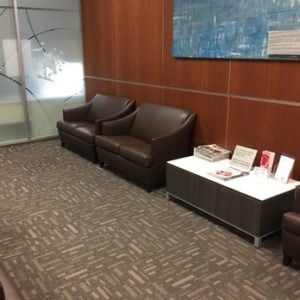
- Offices and corporate campuses: task chairs, conference chairs, lounge furniture
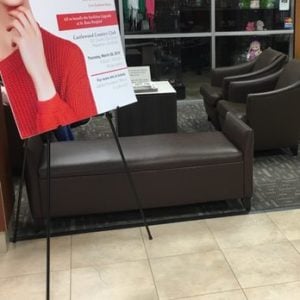
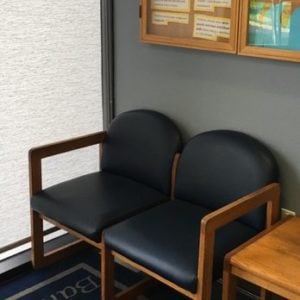
- Healthcare: waiting room seating, exam and treatment chairs, patient room recliners
- Senior living: dining chairs, lounge seating and lift chairs
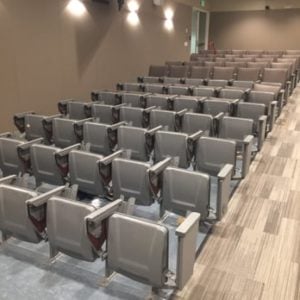
- Schools and libraries: lounge chairs, study booths and auditorium seats
- Houses of worship and venues: pew cushions and theater seating
- Gyms and fitness centers: equipment pads and benches
Reupholstery vs. Replacement at Scale
When a business has many pieces, the difference between recovering and replacing becomes significant. Recovering quality frames is often far more cost-effective than buying new furniture, and it avoids long lead times for large furniture orders. It also keeps a large amount of furniture out of the landfill.
Replacement may make more sense when frames are failing across the board, when the furniture no longer fits how the space is used, or when a complete redesign calls for different pieces. A good upholsterer will give you an honest assessment of which pieces are worth recovering.
Questions to Ask a Commercial Upholsterer
Before starting a program, ask:
- Have you handled large multi-piece projects for businesses like ours?
- How many pieces can you process per batch, and what is the typical turnaround?
- Can you work after hours or on weekends for pickups and fixed seating?
- Can you order enough material for the full program to avoid dye lot differences?
- How will you track pieces and keep us updated?
- How do you handle frame repairs or other issues found along the way?
Frequently Asked Questions
How many chairs can be recovered at once?
It depends on the shop’s capacity, the type of chair and the materials. Many programs are split into batches sized to keep your business running. Ask for a proposed batch plan with your quote.
Can booths be reupholstered without closing the restaurant?
Often, yes. Removable booth seats can be taken to the shop in batches, and fixed seating can sometimes be done overnight or on closed days.
Will recovered pieces match each other?
Ordering material for the full program and working from consistent patterns helps every piece match. Approving a first batch before proceeding also helps.
Is volume pricing available?
Many shops can be more efficient on large, repeat pieces. Ask how quantity affects your quote.
Request a Quote for Your Reupholstery Program
Leo’s Upholstery plans and completes multi-piece reupholstery projects for restaurants, hotels, offices, clinics and other businesses across the East Bay and greater Bay Area. From our shop at 1835 E 14th St in San Leandro, we can help you inventory your furniture, choose materials, and schedule work in batches that keep you open. Explore our restaurant and bar upholstery and commercial upholstery services, then request a quote or call (510) 895-3632. We are open Monday through Friday from 8 AM to 4:30 PM and Saturday from 7 AM to noon.