When a business or institution buys or reupholsters furniture, most of the conversation is about color, comfort and price. Fire safety tends to come up later, if at all. But for commercial spaces in California, flammability standards and fire codes are an important part of choosing upholstery materials, and getting them wrong can create problems with inspections, insurance and, most importantly, occupant safety.
The rules can feel confusing. Labels mention “TB 117-2013,” designers talk about “contract-grade” fabrics, and fire marshals refer to building and fire codes that vary by type of occupancy. This guide explains the basics in plain English so facility managers, business owners, designers and purchasing staff in the Bay Area know what questions to ask.
A quick note before we begin: this article is general information, not legal or code advice. Requirements depend on your building, its occupancy type and your local jurisdiction. Always confirm specific requirements with your local fire authority, architect or code consultant.
Why Flammability Matters for Upholstered Furniture
Upholstered furniture contains materials that can burn, including foam, fiber fill and fabric. In a fire, furniture can contribute fuel and smoke. Flammability standards are designed to reduce the chance that furniture will ignite from common sources and to slow how quickly fire spreads.
Historically, one of the most common causes of furniture fires has been smoldering ignition, such as a dropped cigarette landing on a cushion. That is one reason many furniture flammability tests focus on how materials respond to a smoldering source.
What Is California TB 117-2013?
Technical Bulletin 117-2013, usually shortened to TB 117-2013, is California’s flammability standard for upholstered furniture. It is administered by the state agency that oversees household goods and furniture, which is part of the California Department of Consumer Affairs.
A smolder resistance test
TB 117-2013 focuses on smolder resistance. In simple terms, it tests how cover fabrics, barrier materials and filling materials respond to a smoldering cigarette placed on a mock-up of the furniture’s construction. Materials must meet the test’s criteria to comply.
This approach is similar to national smolder tests used in the furniture industry, which is one reason many contract fabrics are tested to more than one standard.
How it replaced the older standard
TB 117-2013 replaced an older version of TB 117 that relied on an open-flame test for filling materials. That older standard was widely criticized because manufacturers often met it by adding chemical flame retardants to foam. The updated standard shifted the focus to smoldering, which allowed many manufacturers to meet it without adding those chemicals.
Labels
Upholstered furniture covered by the standard is generally required to carry a label stating that it complies with TB 117-2013. California law also requires a label indicating whether the product contains added flame retardant chemicals. If you are buying new furniture or reupholstering, these labels and the manufacturer’s documentation are a good starting point for understanding what you have.
Does TB 117-2013 Apply to Commercial Furniture?
This is where things get more nuanced. TB 117-2013 is broadly applied to upholstered furniture sold in California, and many commercial and contract furniture manufacturers and fabric mills design their products to comply. However, commercial spaces can also be subject to additional requirements through building and fire codes, which vary depending on how a space is used.
Occupancy matters
Building and fire codes classify buildings by occupancy type, such as assembly spaces, business offices, educational buildings, healthcare facilities, residential care facilities and hotels. Some occupancies, particularly those where people may have difficulty evacuating, like hospitals, nursing homes and certain care facilities, or where large numbers of people gather, may have stricter requirements for furnishings.
Other standards you may hear about
Depending on the project, you may hear designers or code officials mention other furniture or textile tests, including national smolder tests and full-scale fire tests for seating. California also has an older full-scale test for seating in certain public occupancies that buyers sometimes encounter in older specifications. Whether any of these apply to your space depends on current codes and your local fire authority’s interpretation. This is a good example of why it is worth asking early.
Healthcare and care settings
Healthcare facilities and licensed care facilities often have their own fire safety requirements through state licensing and federal programs. If you manage a hospital, clinic, skilled nursing facility or assisted living community, your compliance or safety team will usually know what standards apply to furnishings.
How Reupholstery Fits In
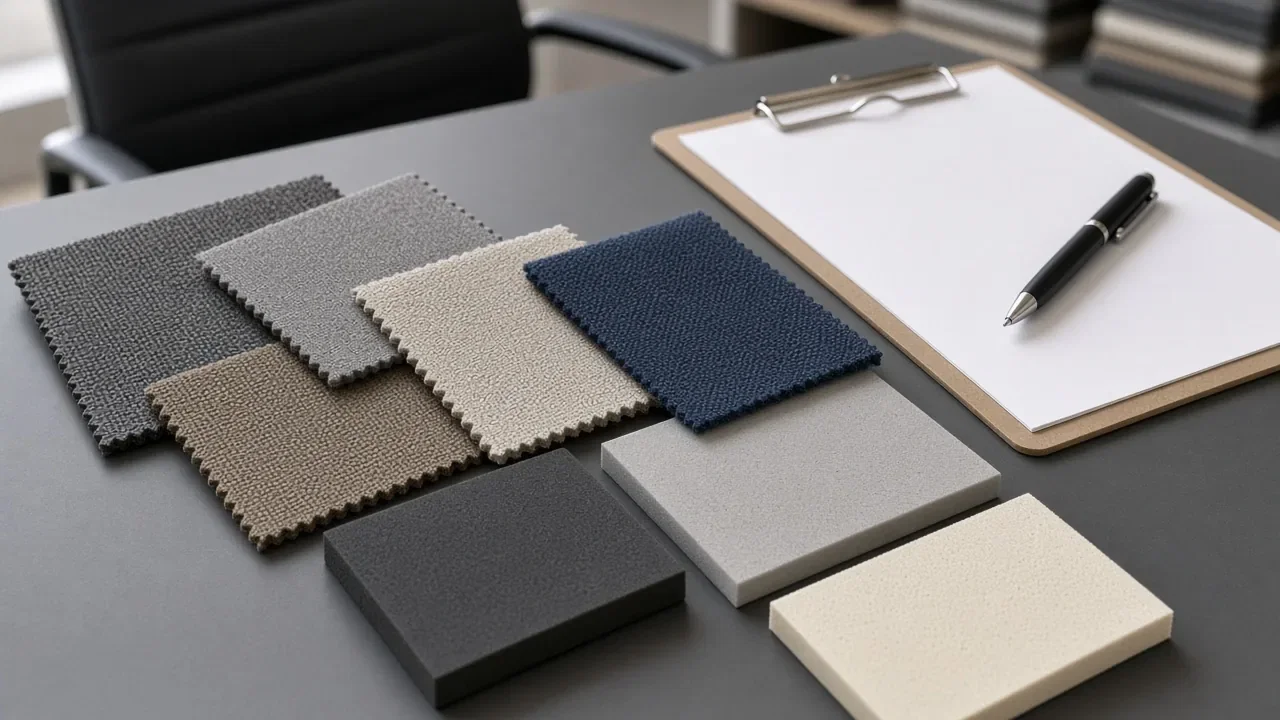
Reupholstering commercial furniture means replacing some or all of the materials that affect flammability: the cover fabric, sometimes the foam and fiber, and sometimes barrier layers. That makes material selection important.
Cover fabrics
Most commercial-grade upholstery fabrics and vinyls come with test documentation from the manufacturer. Contract fabrics often list the flammability tests they have passed on their specification sheets. Ask your upholsterer for these specs for any material you are considering.
Foam and fill
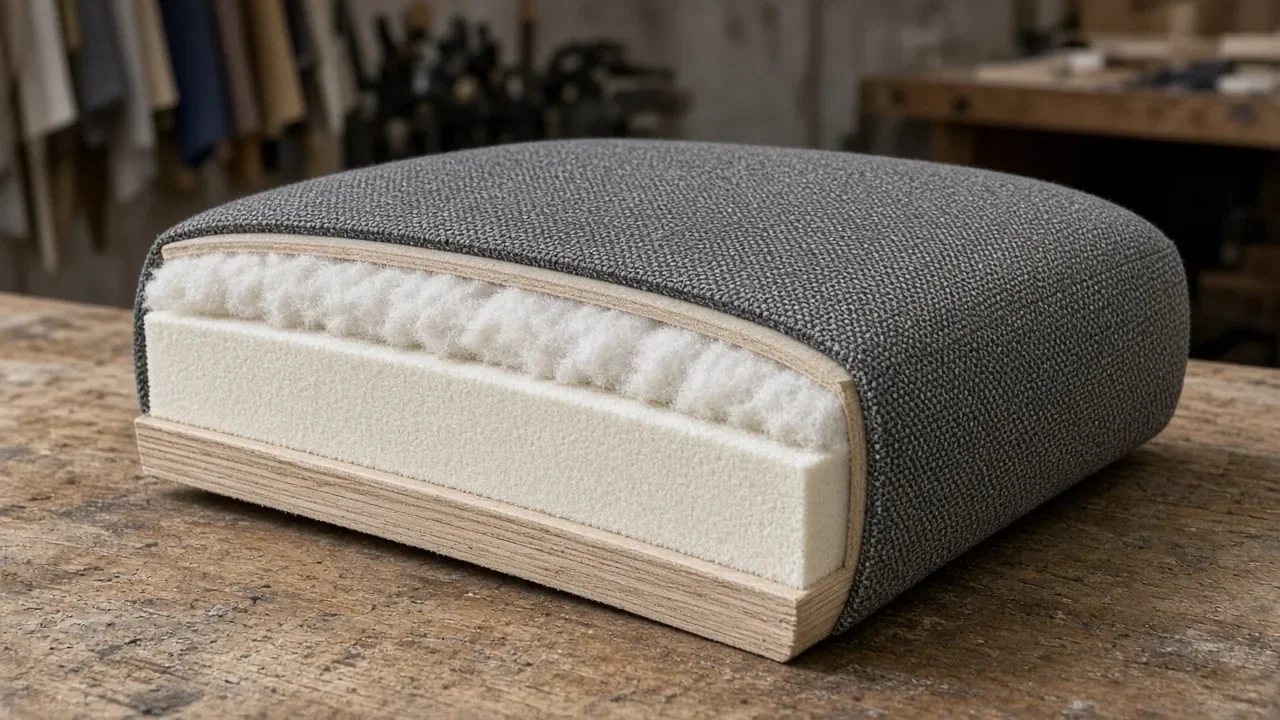
Foam and fiber play a big part in how furniture responds to ignition. When reupholstering, replacing old foam with new foam that meets applicable standards is often a good idea, especially if the original foam is decades old and its specifications are unknown.
Barrier materials
Some fabrics, especially certain natural fibers or lightweight fabrics, may need a fire barrier layer underneath to help the overall construction meet requirements. A fire barrier is a liner placed between the cover fabric and the foam. Your upholsterer can tell you when a barrier may be advisable.
Customer’s own material
Businesses sometimes want to use a specific fabric they found themselves, often called COM or customer’s own material. That can work well, but it is important to get the fabric’s flammability documentation before it is used on commercial furniture. If documentation is not available, the fabric may not be appropriate for your space, or a barrier or treatment may be needed.
Questions Commercial Buyers Should Ask
Whether you are buying new furniture or reupholstering existing pieces, these questions help you make informed decisions:
- What occupancy type is our building or space, and are there specific furnishing requirements for it?
- Does our local fire authority or code consultant require particular flammability tests for upholstered seating?
- Does the cover fabric come with manufacturer test documentation, and which tests does it list?
- Does the foam meet applicable standards, and do we have documentation for it?
- Is a fire barrier recommended for this fabric and construction?
- Does the material contain added flame retardant chemicals, and is that disclosed?
- Will we receive copies of the documentation for our records?
Keeping documentation on file for your furniture can make inspections smoother and helps future facility managers know what was installed.
Balancing Fire Safety With Other Goals
Fire safety is only one of the requirements commercial upholstery has to meet. Facilities also need materials that are durable, cleanable and comfortable. Fortunately, many contract-grade fabrics and vinyls are engineered to meet flammability standards while also offering high abrasion resistance, stain resistance and compatibility with cleaning products.
Healthcare and cleanability
In medical and senior living settings, materials often have to meet flammability requirements and also stand up to frequent disinfection. Healthcare-grade vinyls and textiles are generally developed with both in mind.
Hospitality and design
Hotels and restaurants want materials that look great and feel comfortable while meeting code. Many decorative contract fabrics are tested for flammability, and barrier options can make additional fabrics usable.
Sustainability
Some organizations want to avoid added flame retardant chemicals for environmental or health reasons. TB 117-2013’s smolder-based approach has made it easier to find compliant materials without added flame retardants, though specific requirements for your occupancy should still be confirmed.
Keeping Good Records
A simple habit can save a lot of trouble later: keep a file for each furniture purchase or reupholstery project. Include the fabric name and manufacturer, the foam specification, any barrier material, copies of test documentation, and photos of the furniture labels. When an inspector, insurer or new facility manager asks what was installed, you will have the answer ready. Records also make it much easier to reorder matching materials when you recover more pieces in the future.
Common Misunderstandings
A few points often cause confusion:
- “Commercial-grade” does not automatically mean code-compliant for every space. Always check the documentation and your specific requirements.
- A residential label is not a substitute for checking commercial requirements. Furniture labeled for TB 117-2013 may still need to meet additional codes in certain occupancies.
- Reupholstering changes the materials. Even if the original furniture complied, the new materials need to be appropriate for the space.
- Not all codes are the same everywhere. Local amendments and fire authority interpretations can vary.
Frequently Asked Questions
What does a TB 117-2013 label mean?
It indicates the furniture’s materials are represented as meeting California’s smolder resistance standard for upholstered furniture. It is a good baseline, but commercial spaces may have additional requirements.
Do I need flame retardant chemicals to meet TB 117-2013?
Not necessarily. The standard focuses on smolder resistance, and many materials can meet it without added flame retardant chemicals. Labels should disclose whether flame retardants were added.
Who decides what flammability standard my business must meet?
Requirements come from building and fire codes, licensing rules for certain facilities, and local fire authorities. Your architect, code consultant or local fire marshal can help clarify.
Can you provide documentation for the materials you use?
A reputable commercial upholsterer should be able to share manufacturer specifications and test information for the fabrics and foam used on your project.
Request a Quote for Code-Conscious Commercial Upholstery
Leo’s Upholstery helps businesses, healthcare providers, hospitality venues and institutions across the East Bay and greater Bay Area choose commercial materials that fit their space, their cleaning routines and their design goals. From our shop at 1835 E 14th St in San Leandro, we can source contract-grade fabrics and foam with manufacturer documentation for your records. Learn more about our commercial upholstery services and hotel and hospitality upholstery, then request a quote or call (510) 895-3632. We are open Monday through Friday from 8 AM to 4:30 PM and Saturday from 7 AM to noon.