Schools, libraries and college campuses ask a lot of their furniture. Seating in a library reading room, a student union lounge, a lecture hall or a staff room may be used by hundreds of people a week, often for hours at a time. Students sit sideways, lean back, drop heavy backpacks, eat and drink, and move chairs around to work in groups. It is no surprise that upholstery in these spaces wears out long before the frames do.
When budgets are tight, as they so often are in education, replacing every worn chair is rarely realistic. Reupholstery and targeted repair can stretch furniture budgets much further. Solid lounge chairs, booths, auditorium seats and library seating can often be given new foam and new covers for a fraction of the cost and lead time of new furniture.
This guide is written for facilities directors, librarians, school administrators, campus planners and purchasing staff in the Bay Area who want to keep learning spaces comfortable and presentable without overspending.
Why Education Seating Wears Out So Quickly
Seating in schools and campuses faces a combination of heavy use and limited maintenance time.
Constant traffic
A popular library lounge chair may be occupied from opening to closing during exam weeks. Seating in common areas sees constant turnover, and each person adds friction to the same high-wear spots: seat fronts, arm tops and the tops of seat backs.
Food, drinks and spills
Many campuses allow food and drink in lounges and study areas. Coffee, soda and snacks inevitably end up on upholstery. Fabrics that are hard to clean can become stained quickly.
Rough handling
Furniture gets dragged across floors, rearranged for events and stacked for cleaning. Students sit on arms and backs, and chairs get tipped. This stresses seams, frames and fasteners.
Deferred maintenance
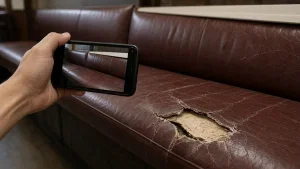
Facilities teams have long lists of priorities, and small upholstery problems often wait. A small tear that could have been fixed easily can turn into a large one that exposes foam and makes the chair unusable.
Why Seating Quality Matters for Learning
It is easy to treat seating as a background detail, but it shapes how people use a space. Libraries and study areas compete with coffee shops and dorm rooms for students’ time. Comfortable, clean seating encourages students to stay, study and collaborate on campus. Torn, stained or wobbly chairs send the opposite message and leave popular spaces underused.
Seating also affects first impressions. Prospective students and families often tour libraries, student unions and common areas. Parents visiting an elementary or high school notice the condition of the front office and library. Well-kept furniture signals that the institution takes care of its facilities and its people.
For staff, comfortable lounges and offices matter too. Teachers, librarians and administrators spend long days on campus, and a staff room with sagging, stained furniture does little for morale. Recovering a few key pieces can make a noticeable difference at modest cost.
Safety Considerations
Damaged upholstery can create small but real safety problems. Loose fabric and torn edges can catch on clothing or backpacks. Exposed staples, tack strips or broken frame parts can scratch or cut. Wobbly chairs can tip. During inspections, flag any piece with exposed hardware or structural looseness and remove it from service until it is repaired. Many of these issues can be fixed during reupholstery, when the frame is exposed and can be tightened, reglued or reinforced.
Common Seating Types in Schools and Campuses
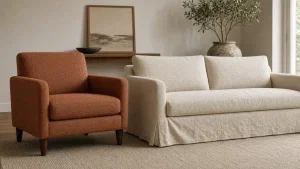
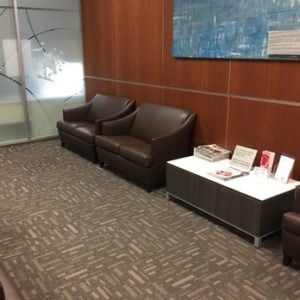
Most upholstered furniture in education settings can be repaired or recovered. Typical pieces include:
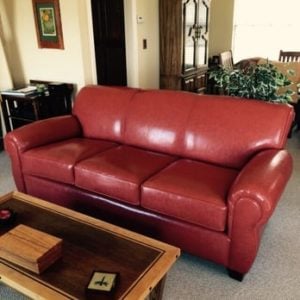
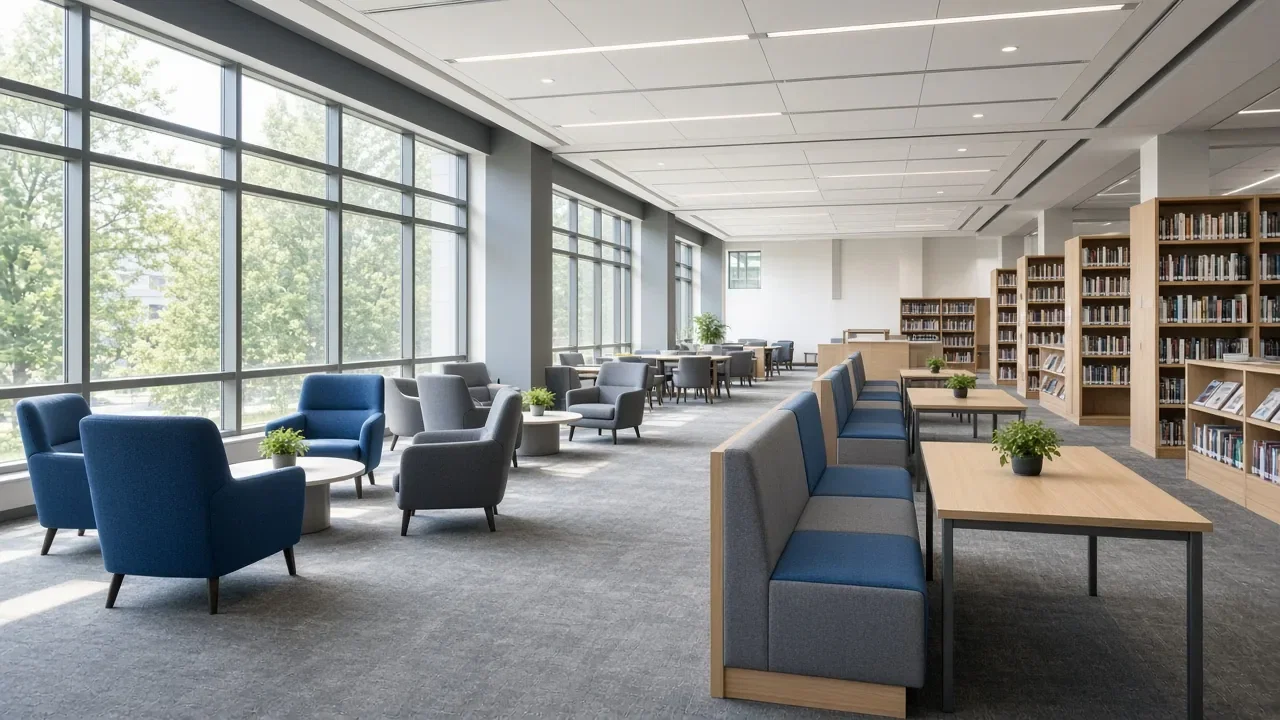
- Library lounge chairs, sofas and reading chairs
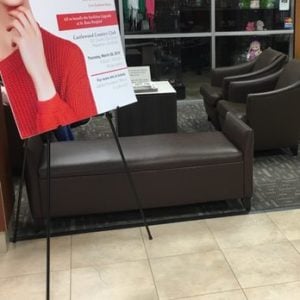
- Study booths and banquette seating
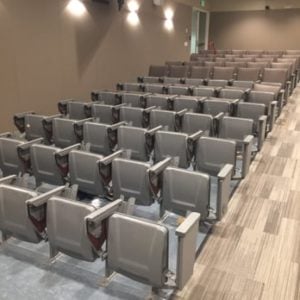
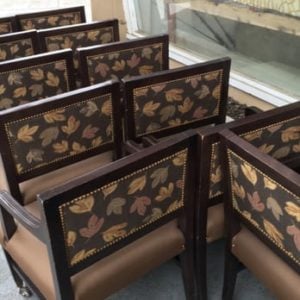
- Lecture hall and auditorium seats
- Upholstered task chairs in labs, offices and computer rooms
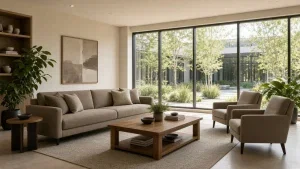
- Student union and common area seating
- Cafeteria booths and upholstered benches
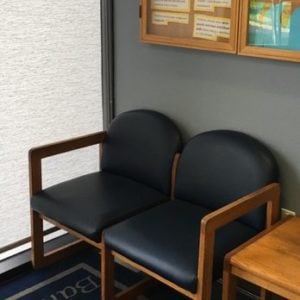
- Staff lounge furniture
- Administrative office and reception seating
- Soft seating and ottomans in collaborative learning spaces
Many campuses have dozens or even hundreds of matching pieces, which makes a coordinated reupholstery program especially efficient.
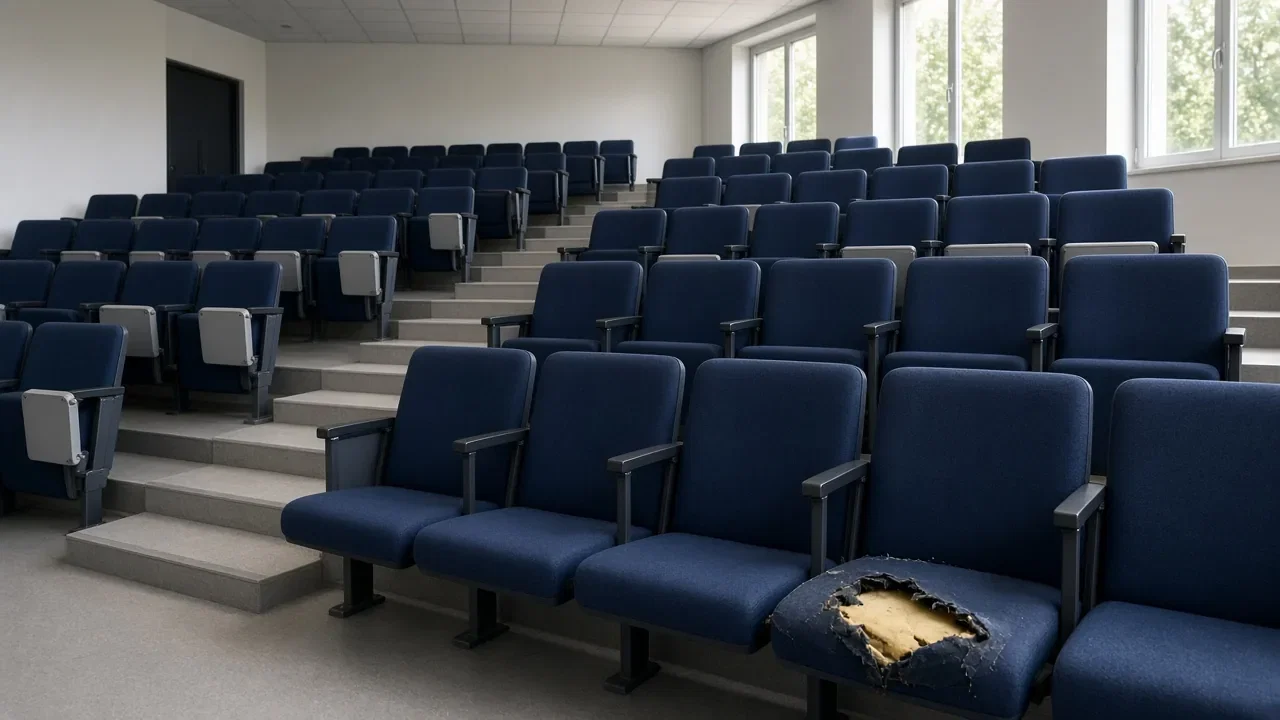
Signs Seating Needs Repair or Recovering
Facilities staff and librarians can use a simple checklist during walk-throughs:
- Torn or split fabric or vinyl, especially on seat fronts and arms
- Seams that are pulling apart
- Exposed foam or foam crumbling out of a tear
- Flattened cushions that no longer support people properly
- Stains that do not come out with cleaning
- Wobbly frames or loose arms that may need tightening or regluing
- Faded or mismatched pieces that make a space look neglected
- Chairs that students avoid or that have been pushed into corners
Tagging damaged pieces during inspections and logging them in a work order system makes it easier to group repairs into efficient batches.
Choosing Materials for Education Seating
Material choices make a big difference in how long recovered seating lasts.
Durability
Commercial upholstery fabrics and vinyls are often rated for abrasion resistance with standardized rub tests. Seating in schools and libraries generally benefits from materials rated for heavy commercial use. Ask your upholsterer to explain the ratings for the samples you are considering.
Cleanability
In high-traffic areas with food and drink, cleanable materials are a big advantage. Commercial vinyls and coated or performance fabrics can often be wiped down with mild cleaners. For quieter spaces like reading rooms, a woven fabric may be preferred for warmth and comfort, ideally with a stain-resistant finish.
Flammability and code considerations
Schools and public buildings can have fire safety requirements for furnishings. In California, upholstered furniture is subject to state flammability standards, and some public occupancies may have additional requirements set by building and fire codes or by the district. Check with your facilities team, architect or local fire authority about what applies to your building, and ask your upholsterer for documentation on the materials you choose.
Comfort and support
Students may sit for hours, so cushion support matters. Replacing compressed foam with high-density foam restores support and helps cushions keep their shape longer.
Color and design
Color can help define spaces. Many campuses use school colors in student unions and athletic areas, calm neutrals in libraries, and brighter accents in collaborative spaces. Patterns and textured materials can help hide minor stains and wear between cleanings.
Repair, Recover or Replace?
A practical approach treats each piece individually.
- Repair small tears, loose seams and wobbly arms early. Quick fixes can prevent bigger damage.
- Recover when the frame is solid but the fabric and foam are worn. This is often the best value for quality furniture.
- Replace when frames are broken, parts are unavailable, or the furniture no longer fits how the space is used.
Many campuses bought high-quality furniture years ago that is still structurally excellent. Recovering it keeps good furniture in service and avoids sending it to the landfill.
Scheduling Work Around the Academic Calendar
Timing is one of the biggest advantages schools and campuses have. Summer break, winter break and spring break are natural windows for upholstery projects.
- Plan early. Material selection and quotes take time, so starting planning well before the break helps ensure work can be finished before students return.
- Work in phases. Large inventories can be divided by building, floor or room.
- Use slow periods. During the term, a few pieces at a time can be rotated out without affecting availability.
- Coordinate with events. Avoid taking seating from spaces needed for orientation, graduation or exams.
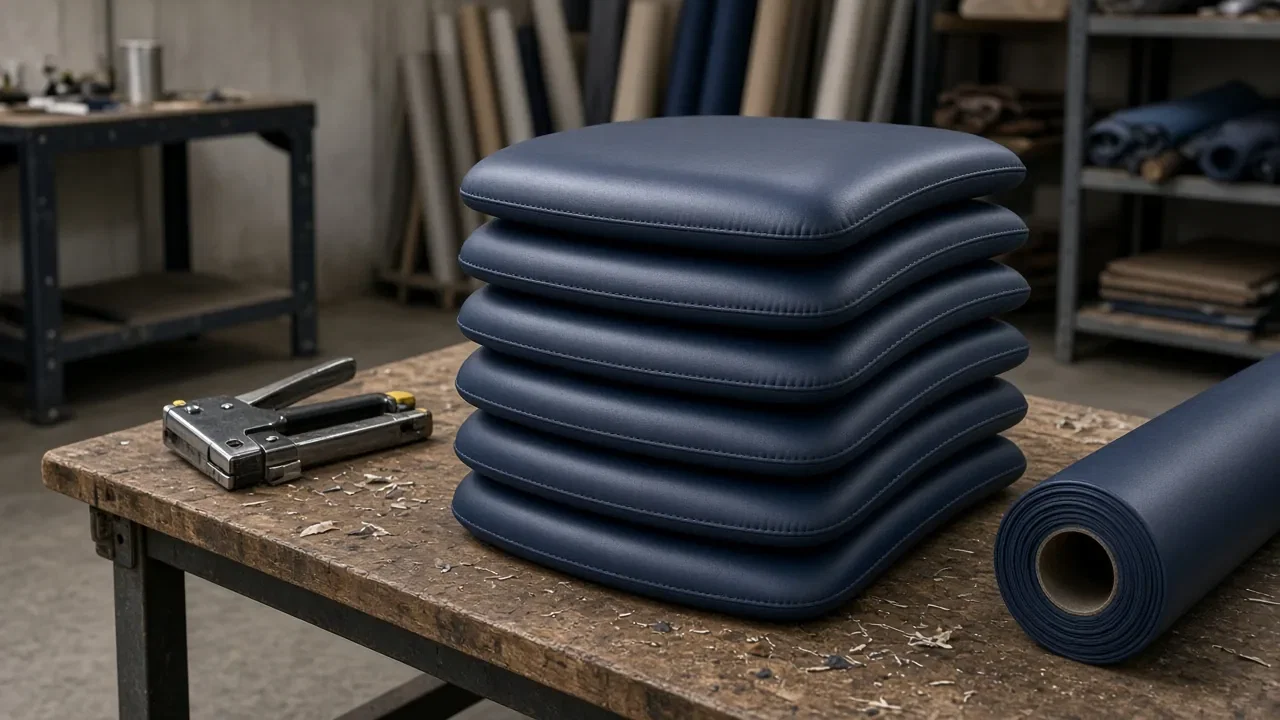
For auditorium and lecture hall seats, ask whether seat cushions and backs can be removed and recovered at the shop while the standards stay mounted.
Building a Long-Term Seating Maintenance Plan
The most cost-effective approach is proactive rather than reactive. A simple plan might include:
- An inventory of upholstered furniture by building and room
- Regular inspections, such as once per term
- A standard material and color palette so pieces can be recovered to match over time
- A process for tagging and collecting damaged pieces
- A relationship with a commercial upholsterer who can handle batches efficiently
This kind of plan helps facilities teams budget predictably and keep spaces looking consistent.
Working With Districts, Campuses and Purchasing Departments
Public schools, community colleges and universities often have specific purchasing procedures. A commercial upholsterer that works with institutions should be comfortable providing detailed written quotes, material specifications and documentation your purchasing team needs. Ask early about any vendor requirements so the project is not delayed.
Frequently Asked Questions
Can you reupholster library chairs that are still in good structural shape?
Yes. If the frame is sound, recovering with new foam and fabric is often a cost-effective way to extend the life of quality library furniture.
Can work be done during summer break?
Breaks are a great time for upholstery projects. Planning ahead helps make sure materials are ordered and work is complete before students return.
What materials hold up best in student lounges?
Commercial-grade vinyls and performance fabrics rated for heavy use are popular because they wear well and are easier to clean. Your upholsterer can recommend options for each space.
Do you repair auditorium and lecture hall seats?
In many cases, seat cushions and back panels can be removed, recovered and reinstalled. Ask for an assessment of your specific seating.
Can recovered chairs match our existing furniture?
Often, yes. If your original material is still available, it can be matched. If not, many campuses choose a standard palette and recover pieces in batches so each space stays consistent over time.
Request a Quote for Your School or Campus
Leo’s Upholstery helps schools, libraries, colleges and other educational facilities across the East Bay and greater Bay Area keep their seating in good condition. From our San Leandro shop at 1835 E 14th St, we repair and reupholster lounge chairs, booths, auditorium seats, task chairs and more, and we can plan work around your academic calendar. Learn more about our commercial upholstery services and office furniture upholstery, then request a quote or call (510) 895-3632. We are open Monday through Friday from 8 AM to 4:30 PM and Saturday from 7 AM to noon.