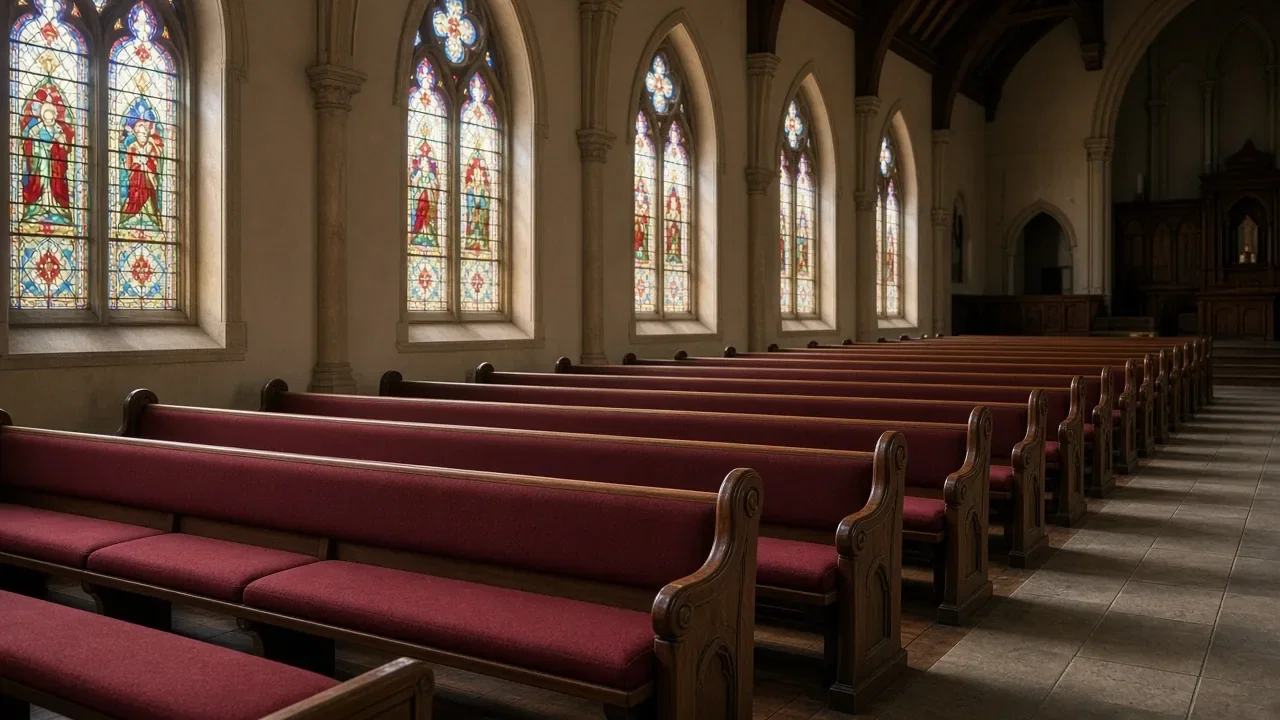
Seating is one of the most important parts of any gathering space. In a church sanctuary, a school auditorium, a community theater or a performing arts hall, people may sit for an hour or more at a time. When pew cushions go flat or theater seats tear, comfort suffers, and the room starts to look worn no matter how well the rest of the building is kept.
Replacing an entire sanctuary or auditorium full of seating is a major expense that many congregations and organizations simply cannot take on. Reupholstery offers a practical alternative. In many cases, solid wooden pews and sturdy theater seat frames can be kept, with new foam and fabric giving them years of additional use.
This guide is for pastors, facilities committees, church administrators and venue managers in the Bay Area who are weighing their options for pew cushions, upholstered pews and auditorium seating.
Why Gathering-Space Seating Wears Out
Pews and auditorium seats may not be used every day, but when they are used, the load is heavy. A full service or performance puts weight on nearly every seat at once, and the same seats are used week after week for years.
Compressed foam
Foam in pew cushions and theater seats slowly loses its ability to bounce back. Over time, cushions become thin and hard, and people start to feel the wood or seat pan underneath. Older foam can also crumble and shed inside the cover.
Fabric wear
Seat fronts, edges and the tops of seat backs see the most friction. Fabric pills, thins and eventually tears in these spots. Sunlight through windows, including stained glass, can also fade fabric unevenly, leaving some rows looking noticeably different from others.
Spills, stains and use by children
Fellowship events, weddings, concerts, school assemblies and community gatherings bring food, drinks and lots of kids into the room. Stains build up over time, and some fabrics are much harder to clean than others.
Mechanical issues in theater seats
Auditorium seats often have folding seat mechanisms. Upholstery wear can go hand in hand with loose seat pans, squeaks or worn hinges, which are worth addressing at the same time.
Types of Seating Projects
Churches and venues have a few common types of seating, and each is handled a little differently.
Loose pew cushions
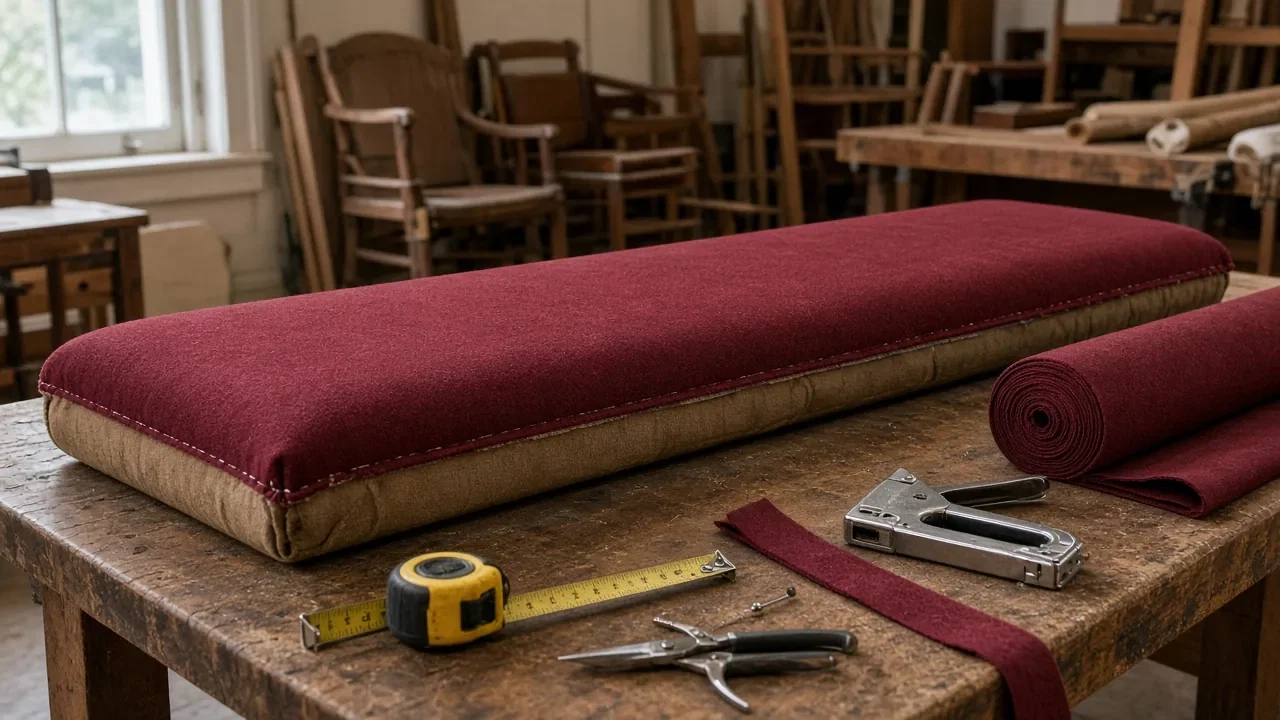
Many churches use separate cushions that sit on wooden pews. These are usually the simplest project. Cushions can be recovered with new fabric, or rebuilt with new foam and fabric if the padding is worn out. Because they are removable, they can be taken to the shop without moving the pews.
Fixed upholstered pews
Some pews have upholstered seats or backs that are attached to the pew itself. These can often be recovered on-site or by removing the upholstered panels, depending on how they were built.
Pew end panels and kneelers
Kneelers and kneeler pads take a lot of wear and are often overlooked. They can usually be recovered at the same time as seat cushions, so everything matches.
Auditorium and theater seats
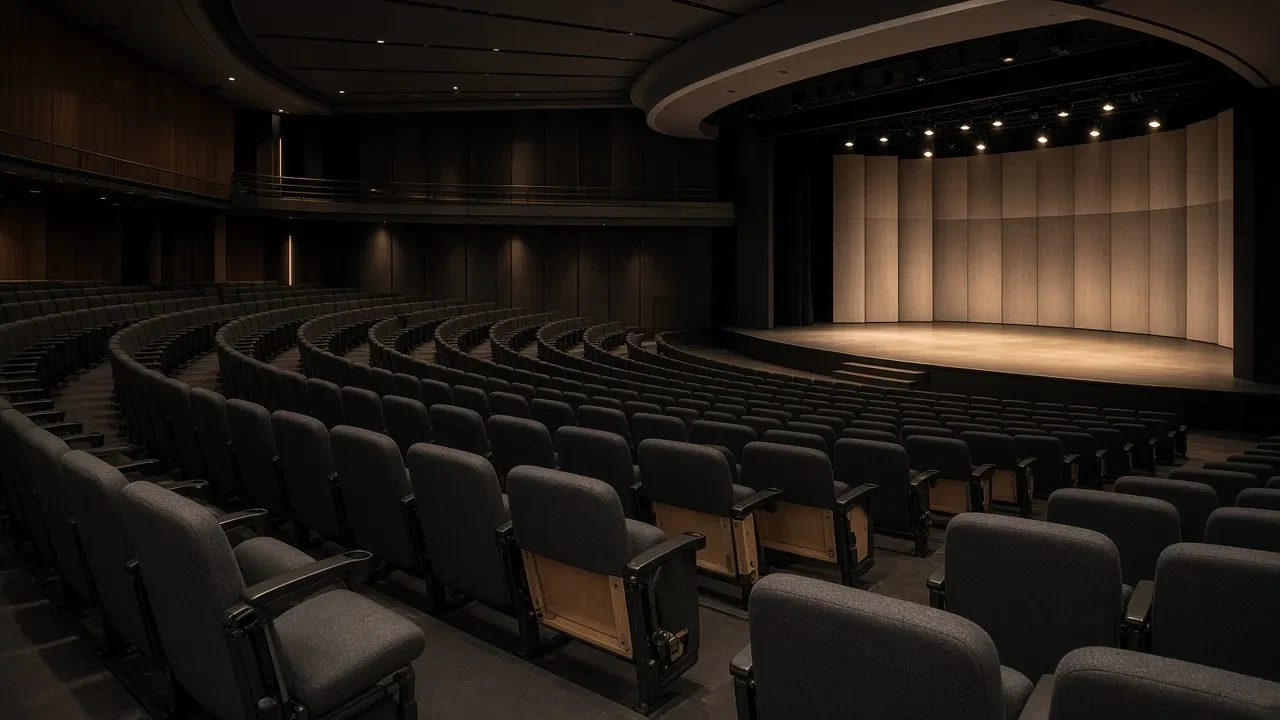
Theater-style seats often have removable seat cushions and back panels. In many cases, these components can be taken off, recovered and reinstalled, leaving the standards and floor mounts in place.
Fellowship hall and lobby seating
Stacking chairs, lobby benches and lounge seating can be included in a larger project to bring a consistent look to the whole building.
Comfort, Accessibility and Welcome
Seating affects how welcome people feel. Older members of a congregation, people with back problems and parents holding small children all notice when pews are hard or uneven. Firm, supportive cushions make it easier to sit through a full service or performance, and they help people focus on what brought them there rather than on discomfort.
A seating project is also a good moment to think about the whole room. Many churches and venues set aside spaces for wheelchair users and companion seating, and building and accessibility codes such as the ADA address seating layouts in assembly spaces. Your architect or facilities team can advise on layout requirements; the upholsterer’s role is to make sure every seat that stays in the room is comfortable, durable and consistent with the rest.
Signs Your Seating Needs Attention
Walk the room on a quiet weekday and check for:
- Cushions that feel thin or let you feel the hard surface underneath
- Fabric that is faded, pilled, frayed or torn
- Stains that no longer come out with cleaning
- Rows that look noticeably different because of uneven fading
- Cushions that slide around or have lost their shape
- Seat backs with worn tops where people grab them as they sit
- Theater seats that do not fold smoothly or have loose cushions
- Torn kneelers or kneelers with exposed padding
It also helps to ask regular attendees, ushers and volunteers what they notice. They often know which seats people avoid.
Choosing Materials for Pews and Auditorium Seats
The right materials balance durability, comfort, cleanability and appearance.
Fabric or vinyl?
Commercial upholstery fabrics are common in sanctuaries and theaters because they feel warm and soft and help with room acoustics. Vinyl is easier to wipe clean and can be a good choice for fellowship halls, kids’ areas, school auditoriums and other spaces where spills are common. Some organizations use fabric in the main sanctuary and vinyl in multipurpose rooms.
Durability ratings
Commercial fabrics and vinyls are often rated for abrasion resistance using standardized tests. For seating that is used regularly by large groups, choose a material rated for heavy commercial use. Your upholsterer can explain the ratings on the samples you are considering.
Flammability
Gathering spaces and assembly occupancies often have fire safety requirements set by local building and fire codes. Before choosing materials, check with your facility manager, architect or local fire authority about any requirements that apply to your building, and ask your upholsterer to provide documentation on the flammability testing of the materials you choose.
Foam
New foam is often the biggest comfort improvement in a reupholstery project. High-density foam holds its shape longer under repeated use. For pew cushions, a slightly firmer foam is common because it supports people well for long services without bottoming out.
Color and pattern
Many sanctuaries choose deep, rich colors like burgundy, navy, hunter green or warm neutrals that complement wood pews and carpets. Subtle patterns or textures can help hide wear and minor stains. Theaters and auditoriums often lean toward darker colors that do not distract from the stage. Bring samples into the space and look at them in the room’s actual lighting before you decide.
Budgeting and Planning for a Large Seating Project
Large seating projects can feel overwhelming. Breaking them into steps helps.
Start with an inventory
Count cushions, measure lengths, and note the type of seating in each area. Photos of each style of pew or seat help a lot when you request a quote.
Get a quote that separates options
Ask for pricing that separates recovering only, recovering with new foam, and any repairs such as kneelers or theater seat mechanisms. This makes it easier for committees to compare options and decide what fits the budget.
Consider phasing
If the full project is too large to fund at once, recover the most visible or most worn sections first. Phasing works best when you choose a fabric that will remain available, so later phases match. Ask your upholsterer about discontinued fabric risk and whether it makes sense to buy material for future phases upfront.
Plan around your calendar
Most churches and venues cannot be without seating on their busiest days. Loose cushions can often be picked up after a weekend service and returned before the next one, or work can be scheduled around holidays, performance seasons and special events. School auditoriums often schedule work during summer or winter breaks.
Reupholster or Replace?
Here is a general way to think through the decision:
- Reupholster when the pews or seat frames are structurally sound and you like their style. Solid wood pews in particular can last for generations.
- Repair and reupholster when seats have minor mechanical issues, like loose seat pans, that can be fixed while the upholstery is apart.
- Replace when frames are cracked, mounts are failing, or the layout of the room is changing in a way that requires different seating.
For many congregations, keeping their existing pews preserves the character of the sanctuary, and reupholstery lets them update comfort and appearance while honoring the space.
Caring for New Seating Upholstery
Once your seating is refreshed, a little care helps it last:
- Vacuum fabric cushions regularly to remove dust and grit that wear fibers down.
- Treat spills quickly following the material manufacturer’s cleaning instructions.
- Rotate loose pew cushions periodically so wear is spread out.
- Close blinds or shades when the room is not in use to reduce fading.
- Check theater seats for loose parts during routine maintenance.
Frequently Asked Questions
Can you recover pew cushions without moving the pews?
Yes, when the cushions are loose. They can be picked up, recovered and returned while the pews stay in place.
How long does a pew cushion project take?
It depends on how many cushions you have, the material you choose and the shop’s schedule. Many churches plan pickups between services. Ask for a timeline with your quote.
Can you match our existing fabric?
Sometimes. If the original fabric is still available, it can be matched. If not, your upholsterer can help you find a close alternative or choose a new look for the whole room.
Can theater seats be reupholstered in place?
In many auditoriums, seat cushions and back panels can be removed for recovering while the seat standards stay mounted to the floor.
Request a Quote for Your Sanctuary or Auditorium
Leo’s Upholstery works with churches, schools, community theaters and event venues across the East Bay and greater Bay Area. From our shop at 1835 E 14th St in San Leandro, we recover pew cushions, kneelers, upholstered pews, auditorium seats and lobby seating with durable commercial materials, and we plan the work around your services and events. Learn more about our commercial upholstery services and custom upholstery, then request a quote or call (510) 895-3632. We are open Monday through Friday from 8 AM to 4:30 PM and Saturday from 7 AM to noon.