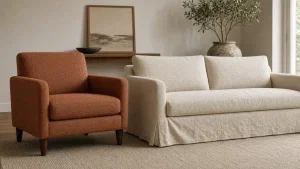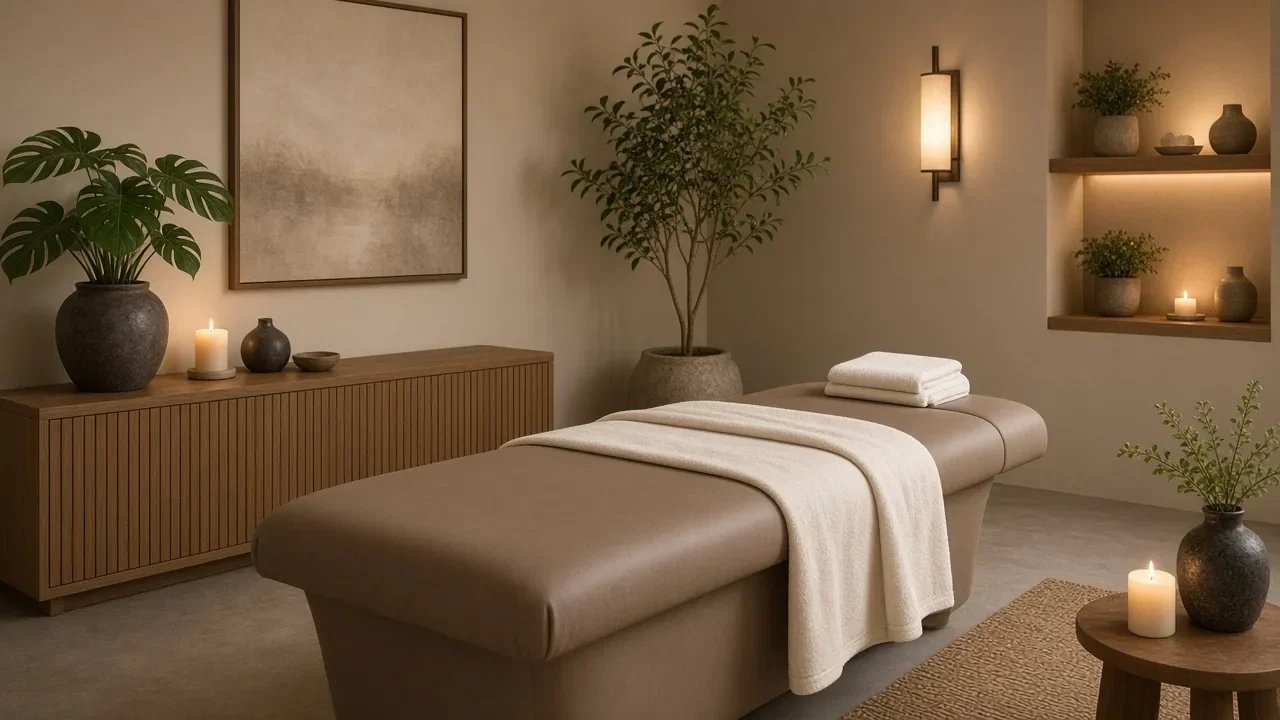
A spa sells an experience. Guests come in to slow down, breathe and be taken care of, and almost everything they touch during that time is upholstered. The massage table they lie on for an hour, the facial bed, the pedicure chair, the relaxation lounge recliner and the reception sofa all shape how the visit feels.
When those surfaces start to crack, peel or sag, guests notice, even if they never mention it. A sticky or torn table cover can break the mood the moment someone lies down. The good news is that most spa furniture is built on solid frames that can be recovered and re-padded many times. Reupholstery lets a spa refresh its treatment rooms, fix comfort problems and update its look without replacing equipment that still works perfectly well.
This guide covers what spa owners, massage therapists and wellness center managers in the Bay Area should know about reupholstering massage tables and spa furniture.
Why Spa Upholstery Wears Out
Spa furniture faces a specific mix of stresses that wear upholstery down faster than you might expect.
Oils, lotions and creams
Massage oils and skin care products are hard on many upholstery materials. Over time, oils can soak into seams, soften some vinyls, and leave a film that attracts dirt. Some lotions and essential oils can also contribute to cracking or discoloration on finishes that were not designed for them.
Constant cleaning
Treatment surfaces are cleaned between every client. Repeated use of cleaning and disinfecting products, especially stronger ones, can dry out the vinyl’s top layer until it starts to craze and flake.
Heat and body weight
Table warmers, heated pads and long sessions add heat to the equation. Combined with the steady load of clients lying in the same position, this compresses foam and stresses the cover, particularly along edges and around face cradles.
Daily handling
Portable massage tables are folded, carried, and set up again and again. Hinges, corners and edges tend to wear first, and cover fabric can rub through where it meets the frame.
Signs Your Massage Table or Spa Furniture Needs Attention
Regular checks help you catch problems before a client does. Look for:
- Cracking, peeling or flaking on the table surface
- Splits along the edges, corners or seams
- A sticky or tacky feel that does not go away with cleaning
- Foam that feels thin, flat, or lumpy, especially in the center of the table
- Face cradle cushions that have lost their shape
- Discoloration or oil stains that have soaked into the material
- Pedicure chair arms and seats with worn spots or tears
- Lounge chairs and sofas with sagging cushions or faded fabric
If a client can feel the frame through the padding, or if you find yourself adding extra blankets to make a table comfortable, the foam has likely reached the end of its useful life.
What Can Be Reupholstered in a Spa
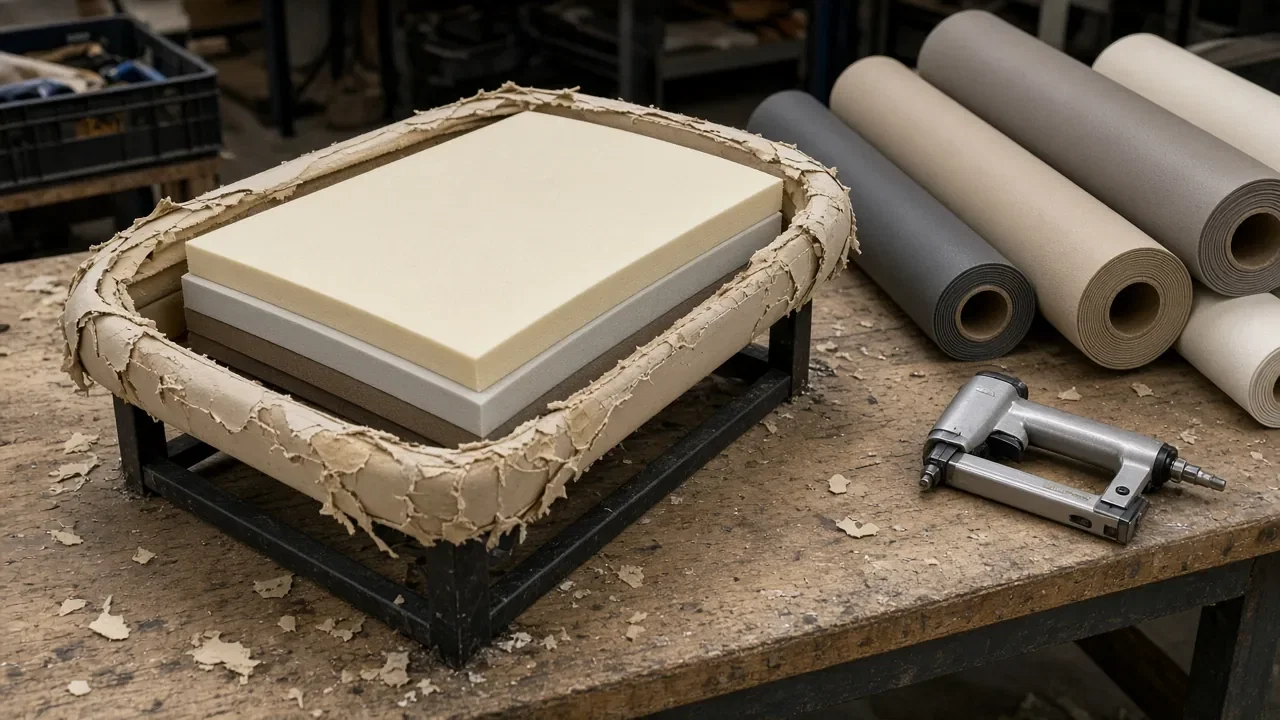
Almost every upholstered piece in a spa or wellness center can be recovered. Common projects include:
- Stationary and electric massage tables
- Portable massage tables
- Face cradles, bolsters and positioning cushions
- Facial beds and esthetician chairs
- Pedicure and manicure chairs
- Relaxation lounge recliners and chaises
- Reception sofas, chairs and benches
- Locker room benches and vanity stools
Spas that treat the whole space as one design often recover several kinds of furniture at once so everything matches.
Choosing the Right Materials for Spa Furniture
The right material depends on how a piece is used. A massage table needs something very different from a reception sofa.
Treatment tables and facial beds
For surfaces that clients lie directly on, most spas choose a commercial-grade vinyl or polyurethane designed for healthcare or wellness use. When comparing options, ask about:
- Oil and lotion resistance: Some materials are formulated to resist the effects of massage oils better than others.
- Cleanability: Check the manufacturer’s guidance on which cleaners and disinfectants the material can handle.
- Softness and hand: A soft, supple surface feels more luxurious against skin than a stiff, plasticky one.
- Breathability and temperature: Some materials feel warmer or cooler than others, which matters for long sessions and heated tables.
Pedicure and manicure chairs
These chairs see water, polish, acetone and foot soaks. A durable, water-resistant vinyl is usually the practical choice. Darker or patterned colors can help hide minor stains between deep cleanings.
Lounge and reception furniture
Lounge and reception pieces are where spas can show more personality. Performance fabrics, faux leathers and soft-touch vinyls are all options. In a commercial setting, choose materials rated for heavy contract use and confirm they meet any flammability requirements your facility needs.
Foam and padding
Massage tables often use layered foam: a firmer base for support topped with a softer comfort layer. When a table is reupholstered, it is a great time to replace tired foam and choose the firmness that suits your style of work. Deep tissue therapists may prefer a firmer surface, while a relaxation-focused spa may want a plusher feel.
Color and Design Choices That Support the Experience
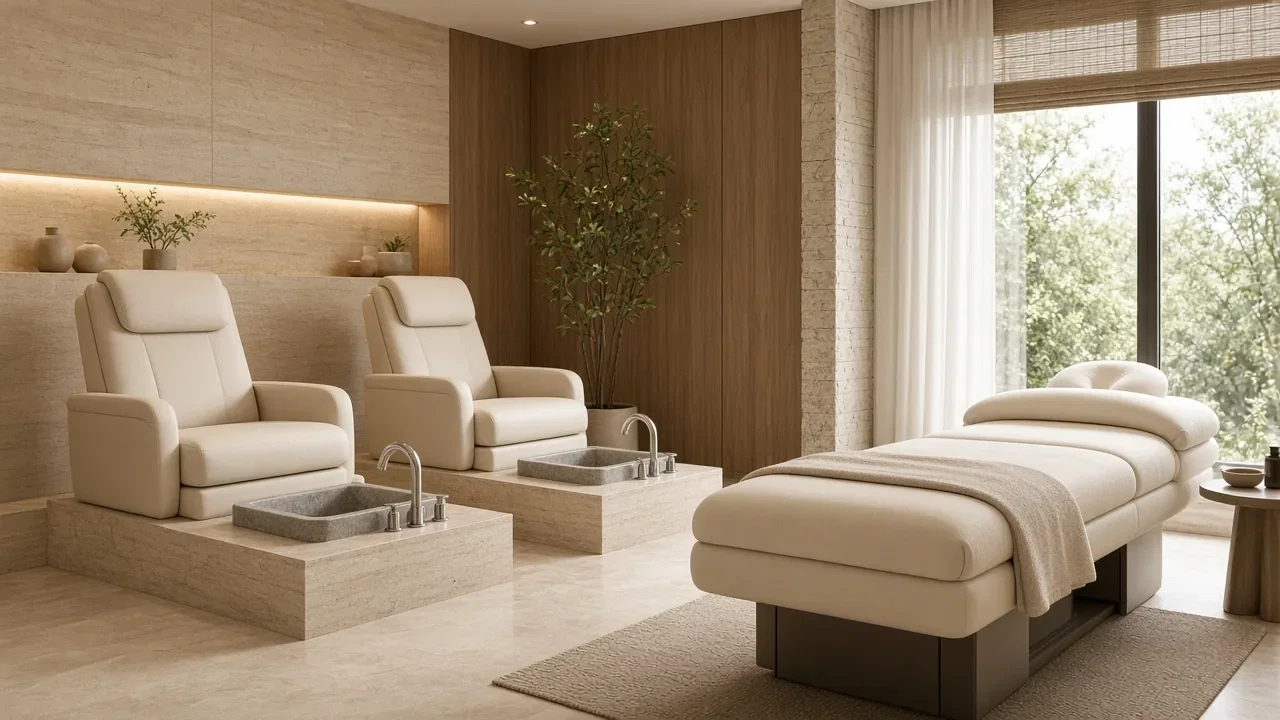
Spa interiors often rely on calm, natural palettes. Neutral tones like taupe, sand, stone, cream and soft gray fit most treatment rooms and coordinate with towels and linens. Darker shades such as espresso or charcoal can help hide oil marks on high-use surfaces.
Consider how the upholstery works with lighting. Soft, warm lighting in treatment rooms can make glossy finishes look harsh, so many spas prefer a matte or low-sheen material. Small details also matter. Clean seams, rounded edges and well-shaped face cradles all add to the sense of quality.
Reupholster or Replace?
Many spa owners assume a worn table needs to be replaced. In practice, reupholstery is often the smarter choice.
- Reupholster when the frame, legs, hinges or lift mechanism are solid and the problem is the cover and padding. This is the most common situation.
- Repair a small, recent tear if the rest of the material is in good shape, understanding that patches rarely last as long as a full cover.
- Replace if the frame is cracked, the electric lift is failing, or the table no longer suits your services.
Quality electric and stationary tables are a significant investment. Recovering them can bring them back to like-new comfort and appearance, and it lets you choose materials suited to your current services instead of whatever came from the factory.
Planning the Work Without Losing Bookings
Every hour a treatment room sits empty is lost revenue. A commercial upholsterer can help you plan around your schedule.
- Phase the project. Recover one or two tables at a time so other rooms stay open.
- Use slower days. Many spas schedule work early in the week or during quieter seasons.
- Remove only what is needed. Some table tops and cushions can be detached, so the base stays in place.
- Do the whole room at once. When a room is down, it can be efficient to recover the table, stool and chair together.
Ask about pickup and return timing when you request a quote so you can block your booking calendar accordingly.
Caring for New Spa Upholstery
A few simple habits help new covers last longer:
- Follow the material manufacturer’s cleaning instructions and avoid harsher products than needed.
- Wipe up oils and lotions promptly rather than letting them sit.
- Use sheets, face cradle covers and protective table pads as part of your routine.
- Rinse or wipe off cleaning residue as directed so it does not build up.
- Check edges, seams and cradle cushions regularly so small issues can be handled early.
Hygiene and Client Trust
Clients may never ask about your upholstery, but they notice it. A smooth, intact table surface signals that the spa takes cleanliness seriously. A cracked or peeling one raises quiet doubts, even if your cleaning routine is excellent.
Intact covers also matter in practical terms. Once vinyl splits and foam is exposed, the cushion can absorb oils, water and cleaning products. That moisture is very hard to remove from inside the padding, and it can lead to odors and staining over time. General cleaning guidance for shared surfaces, including advice from public health agencies, emphasizes keeping surfaces in good repair so they can actually be cleaned. Recovering a damaged table restores a surface you can wipe down with confidence.
Questions to Ask Before You Hire an Upholsterer
Before you commit to a project, a short conversation can save a lot of frustration. Ask:
- Have you worked on massage tables, facial beds or pedicure chairs before?
- Which materials do you recommend for our oils, lotions and cleaning products?
- Can I see and feel samples before choosing?
- Will you replace the foam, and can we adjust the firmness?
- How long will each piece be out of the spa, and can you work in phases?
- Can you match a color across tables, chairs and lounge seating so the rooms look consistent?
A shop that regularly handles commercial work should be comfortable answering all of these and explaining the tradeoffs between materials in plain language.
Frequently Asked Questions
Can you reupholster a portable massage table?
Usually, yes. Portable tables can be recovered and re-padded, though the weight of new foam and material is worth discussing if your therapists carry the table often.
Will new vinyl hold up to massage oils?
Some materials resist oils better than others. Tell your upholsterer which oils and lotions you use so they can suggest a suitable option.
Can you change the firmness of my table?
Yes. Replacing the foam during reupholstery is a good time to make the table firmer or softer to match your style of work.
Do you reupholster pedicure chairs?
In most cases, the seat, back and arm cushions of pedicure chairs can be recovered. The plumbing and basin are not affected by the upholstery work.
Request a Quote for Your Spa Furniture
Leo’s Upholstery helps spas, massage studios and wellness centers across the East Bay and Bay Area keep treatment rooms looking and feeling their best. From our San Leandro shop, we recover massage tables, facial beds, pedicure chairs, lounge seating and reception furniture with durable, comfortable materials. See our commercial upholstery services and custom upholstery options, then request a quote or call (510) 895-3632. We are open Monday through Friday from 8 AM to 4:30 PM and Saturday from 7 AM to noon.