
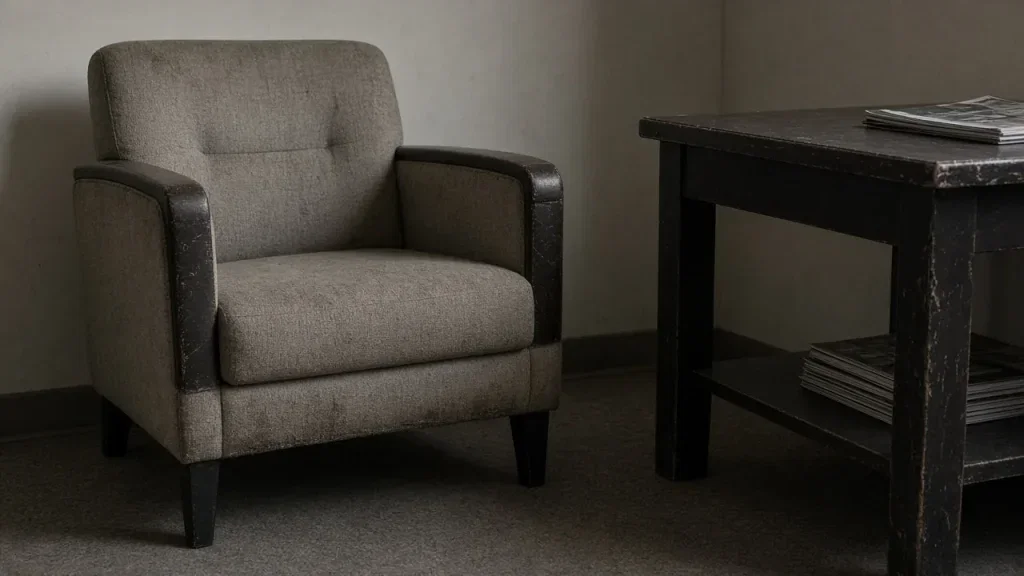
The waiting room is the first space most patients and clients spend time in. Before they meet a doctor, dentist, attorney, accountant or advisor, they sit in your chairs, look around and form an impression of your practice. Clean, comfortable, well-kept seating tells them they’re in good hands. Faded, stained or torn chairs send a very different message.
Waiting room furniture takes steady daily use. Chairs are sat in, leaned on, bumped by strollers and wheelchairs, and cleaned constantly. Over time, fabrics wear, vinyl cracks, arms get scuffed and cushions flatten. Many offices replace waiting room furniture only when it is badly damaged, but there is often a more practical option: reupholstery.
This guide explains why waiting room seating matters, what clinics, dental offices and professional offices should consider when refreshing it, and how reupholstery can improve comfort, cleanability and appearance without replacing furniture that is still structurally sound.
Why Waiting Room Seating Matters
First impressions shape trust
Patients and clients often judge the quality of a business by its surroundings. A waiting room that looks cared for suggests attention to detail. Worn furniture can make people question whether the same care extends to other areas.
Comfort affects the experience
Waiting can be stressful, especially in healthcare settings. Comfortable seating with good support helps people relax. Flattened cushions and hard seats can make even a short wait feel longer.
Cleanliness is visible
In healthcare settings, visitors pay close attention to cleanliness. Cracked vinyl, stained fabric and patched seams can make a space look less clean, even when staff follow careful cleaning procedures. Intact, wipeable surfaces support both actual cleanliness and the perception of it.
Accessibility and safety
Visitors include people of all ages, sizes and mobility levels. Seating with sturdy arms, appropriate seat heights and a mix of seat widths helps more people sit and stand comfortably. Accessibility requirements, including ADA guidance for accessible routes and clear floor space, should be considered when arranging a waiting room. Your designer or facilities team can help evaluate layout requirements.
Signs Your Waiting Room Furniture Needs Attention
Walk through your waiting room as if you were a first-time visitor. Look for:
- Tears, cracks or punctures in vinyl
- Stains or fading on fabric
- Split seams, especially on seat edges and corners
- Flattened or uneven cushions
- Peeling or flaking surfaces
- Scuffed or worn armrests
- Mismatched chairs from piecemeal replacements
- Tape or patches on seats
If several chairs show these signs, it may be time for a refresh.
Choosing Materials for Waiting Room Seating
The right material depends on the type of office and how the space is used.
Healthcare offices
Clinics, dental offices, chiropractic practices and medical specialists typically need seating that can be cleaned and disinfected frequently. Healthcare-grade vinyl and engineered healthcare fabrics are common choices. When selecting materials:
- Ask which cleaners and disinfectants the material is compatible with
- Choose surfaces with minimal seams in contact areas
- Look for durable, commercial-grade materials with good abrasion resistance
- Consider moisture barriers between the cover and the foam
- Choose wipeable arm surfaces
Professional offices
Law firms, financial advisors, accounting offices and other professional practices often want a more residential or hospitality feel. Performance fabrics, high-quality vinyl and leather are popular options. Consider:
- Stain-resistant fabrics for easier upkeep
- Colors and textures that reflect your brand
- Comfortable cushions for longer waits
Fire safety
California has flammability requirements for upholstered furniture, including TB 117-2013. Your upholsterer can help you choose suitable materials for your space.
Designing a Welcoming Waiting Room
Reupholstery is an opportunity to rethink the look and feel of your waiting area.
Color
Calming colors such as soft blues, greens, warm grays and taupes are popular in healthcare offices. Professional offices may choose deeper tones such as navy, charcoal or rich browns. Brand colors can be introduced as accents.
Variety of seating
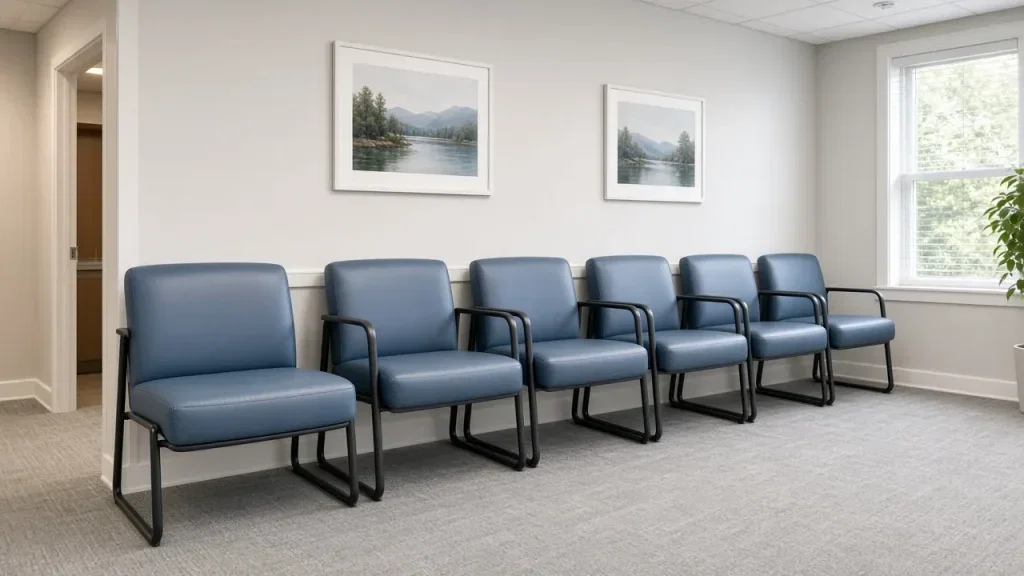
Offering different seat types, such as standard chairs, wider seats and loveseats, accommodates different visitors, including families, caregivers and people who need more room. Chairs with arms help many people sit and stand.
Coordinated look
Even if your waiting room includes several furniture styles, reupholstering them in coordinated materials creates a unified look.
Practical layout
Leave clear paths for wheelchairs, walkers and strollers. Arrange chairs so visitors can choose privacy or sit together.
Seating Considerations by Type of Office
Every waiting room serves a different group of visitors. Thinking about who sits in your chairs, and for how long, helps you choose the right materials and layout.
Medical clinics
Medical waiting rooms often serve people who are unwell, injured or anxious. Seating should be easy to clean between visitors and sturdy enough to support people as they sit and stand. Chairs with arms are especially helpful. Wider seats give caregivers, parents with children and larger visitors more comfortable options. Keep surfaces simple, with few crevices and wipeable arms, so staff can maintain them throughout the day.
Dental offices
Many dental patients feel some anxiety before an appointment. Comfortable chairs, calm colors and a tidy, uncluttered room can help the space feel more relaxing. Because dental offices often see families, include a mix of seating that works for children and adults. Durable vinyl or healthcare fabrics in soft, welcoming tones can strike a balance between clinical and comfortable.
Chiropractic and physical therapy offices
Visitors to these offices may be dealing with back, neck or joint pain. Firm seats at a comfortable height and supportive arms make it easier to sit down and get back up. Very low, deep lounge seating can be difficult for some visitors, so consider how each piece will feel for someone who is in discomfort.
Law, financial and other professional offices
Professional offices often want their reception areas to feel polished and calm. Visitors may be waiting before an important conversation, so comfort and privacy matter. Upholstery in rich textures and coordinated colors can reinforce a sense of stability and professionalism. Performance fabrics and quality vinyls help these spaces stay presentable with less effort.
Small Details That Make a Big Difference
A waiting room refresh does not have to be a major renovation. Along with reupholstery, consider:
- Consistent welting or piping colors across all chairs
- Recovering a bench or ottoman to match new chairs
- Replacing worn foam so every seat feels the same
- Coordinating seating colors with artwork, walls or signage
These details help the room feel intentional, even when the furniture has been in service for years.
Why Reupholstery Often Beats Replacement
When waiting room furniture is worn but structurally sound, reupholstery offers several advantages:
- Keeps quality frames in use. Commercial waiting room chairs are often built with sturdy frames.
- Custom materials. You choose the exact fabric or vinyl for your needs.
- Consistent appearance. Mismatched furniture can be unified with matching upholstery.
- Less waste. Reusing frames helps reduce landfill waste.
- Flexible scheduling. Reupholstery can be done in phases so your waiting room stays open.
Replacement may make more sense when frames are broken, chairs don’t meet accessibility or comfort needs, or the layout requires different furniture.
Planning a Waiting Room Reupholstery Project
Take inventory
Count the chairs, loveseats and benches you want to update. Note styles, sizes and conditions. Photos help your upholsterer provide accurate estimates.
Choose materials early
Select fabrics or vinyls before furniture leaves your office so the work can move quickly.
Work in phases
Reupholster a few pieces at a time so the waiting room always has seating. Alternatively, schedule the work during a planned closure or slow period.
Communicate with staff
Let your front desk know when furniture will be removed and returned so they can manage visitors.
Caring for Waiting Room Upholstery
New upholstery stays looking good longer with proper care:
- Follow care instructions. Use cleaners recommended for your specific material.
- Clean regularly. Wipe high-touch areas such as arms and seat fronts frequently.
- Address spills promptly. Quick action prevents stains.
- Inspect routinely. Check for loose seams, cracks and tears.
- Rotate furniture. Move chairs occasionally to spread wear more evenly.
Waiting Room Reupholstery in the Bay Area
Leo’s Upholstery helps clinics, dental offices and professional offices across the East Bay and greater San Francisco Bay Area create welcoming waiting rooms. From our shop in San Leandro, we reupholster waiting room chairs, loveseats, benches and reception seating. Learn more about our medical upholstery services and office furniture upholstery.
Frequently Asked Questions
Can you reupholster waiting room chairs with wood arms?
Yes. Many waiting room chairs have wood or metal arms with upholstered seats and backs. We’ll assess your chairs and recommend the best approach.
What’s the best material for a medical waiting room?
Healthcare-grade vinyl and engineered healthcare fabrics are common because they’re designed for frequent cleaning. We’ll help you choose based on your cleaning routine and style.
Can we keep the waiting room open during reupholstery?
Usually, yes. We can work in phases so you always have seating available.
Can you make our mismatched chairs look consistent?
Yes. Reupholstering chairs in coordinated materials can create a unified look, even if the chair styles differ.
What should we send for a quote?
Photos of each chair style from the front, side and back, close-ups of damaged areas and a count of each piece are a helpful start. A wide photo of the room also helps us suggest materials and colors that fit the space.
Do you work with dental and professional offices?
Yes. We work with a wide range of offices, including medical, dental, chiropractic, legal and financial practices.
Make a Great First Impression
Your waiting room is part of your patient and client experience. Fresh, comfortable and well-kept seating helps people feel welcome and confident in your business.
Call Leo’s Upholstery at (510) 895-3632 or request a quote online. Our San Leandro shop at 1835 E 14th St is open Monday through Friday from 8 AM to 4:30 PM and Saturday from 7 AM to noon. Send us photos of your waiting room, and we’ll help you plan a refresh.