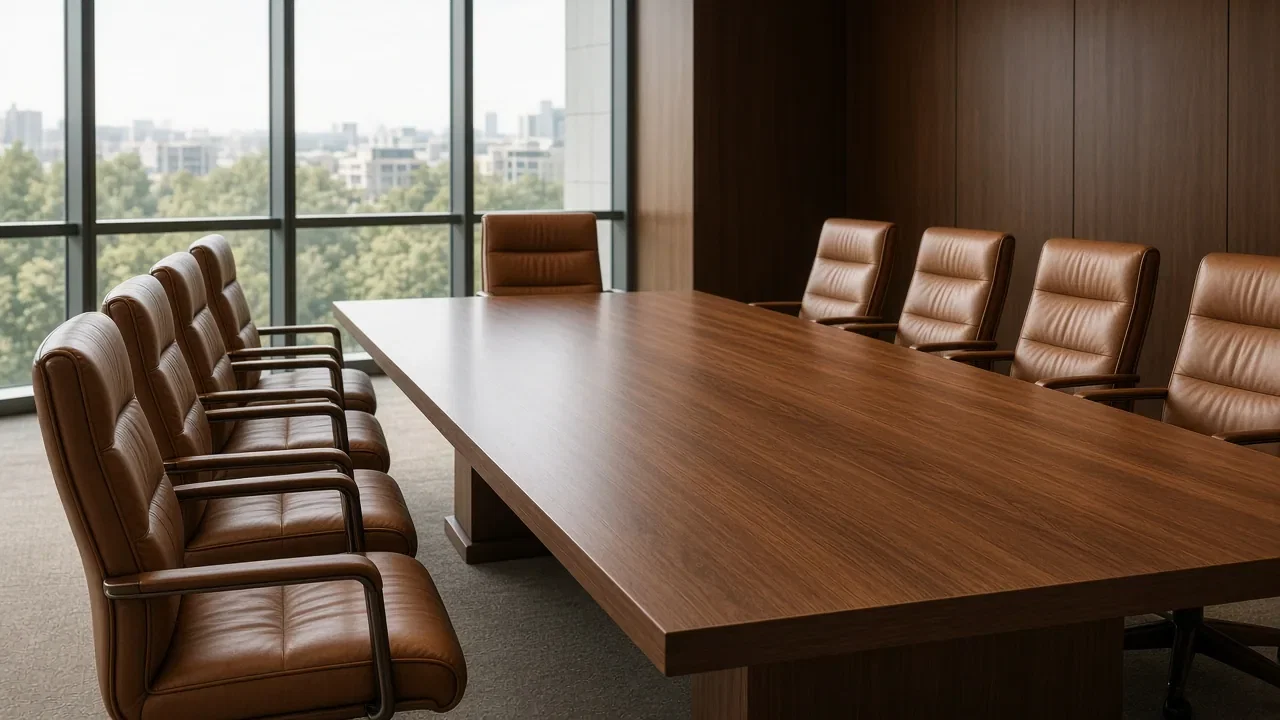
The conference room is where a business makes its case. Clients sit there during pitches, partners sign agreements there, and leadership teams make big decisions there. The table and chairs are some of the first things visitors notice when they walk in, and they spend the entire meeting sitting in those chairs.
That’s why worn conference seating stands out. Peeling bonded leather, faded fabric, flattened cushions and scuffed arms make even a well-designed room feel tired. Many businesses assume the only fix is a new set of chairs, but that is often not the case. Well-built conference and boardroom chairs frequently have years of life left in their frames and mechanisms. A professional reupholstery project can give them a new look, restore comfort and keep the room ready for important meetings.
This guide explains how to plan a conference room seating makeover, choose the right materials and finishes, and schedule the work around your calendar.
Why Conference Chairs Wear Out
Conference chairs aren’t used for as many hours as task chairs, but they face their own kinds of wear:
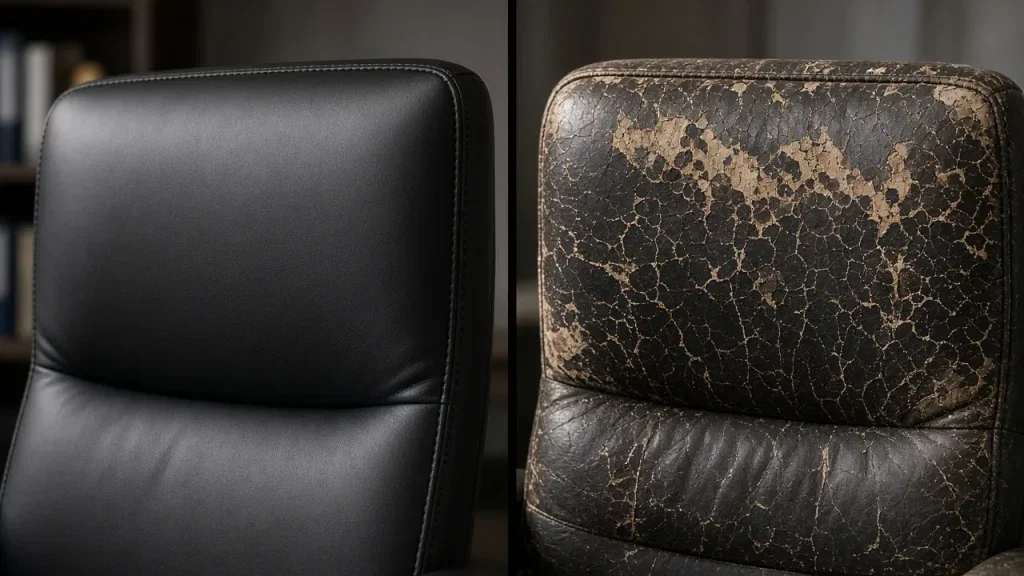
- Bonded leather breakdown. Many conference chairs were originally covered in bonded or blended leather, which can peel and flake over time.
- Arm wear. People rest their arms, lean and push off armrests, wearing down pads and finishes.
- Seat edge wear. Sliding in and out of chairs wears the front edge of the seat.
- Foam compression. Cushions flatten, making long meetings less comfortable.
- Sun exposure. Many conference rooms have large windows that fade fabric and dry out leather.
- Stains. Coffee, food and ink from catered lunches and long workdays leave marks.
The Case for Reupholstering Conference Seating
Preserve quality frames
Executive and conference chairs are often among the best-built chairs in an office. Their frames, bases and mechanisms are frequently designed for long service. Reupholstery replaces the worn surfaces while keeping the parts that still perform well.
Upgrade materials
Reupholstery is an opportunity to replace bonded leather with a more durable material. Options include genuine leather, high-quality vinyl, polyurethane and performance fabrics.
Refresh the room’s design
New upholstery can modernize a conference room without replacing the entire set. A new color, contrast stitching or a mix of materials can transform how a room feels.
Keep a consistent set
Conference rooms work best with matching chairs. If you need to add chairs or replace a few damaged ones, reupholstery can bring the whole set into a unified look.
Reduce waste
Reupholstering keeps sturdy chairs in use rather than sending them to a landfill, which may support your company’s sustainability goals.
Assessing Your Conference Chairs Before Requesting a Quote
A quick review of your chairs helps an upholsterer understand the job and helps you decide what is worth restoring. Pull a few chairs away from the table and look at them closely in good light.
What to check
- Seat and back surfaces. Look for peeling, cracking, fading, stains and open seams.
- Arms. Check whether arm pads are worn through, loose or cracked, and whether the arms are upholstered or have separate caps.
- Cushion support. Sit in several chairs. Note any that feel flat or uneven compared to others.
- Outer backs. The backs of conference chairs are visible to everyone in the room, so scuffs and tears here are worth noting.
- Construction. Look underneath the seat to see whether it is attached with screws and whether the back has removable panels.
Take useful photos
Photograph one chair of each style from the front, back, side and underside, then add close-ups of any damage. Include a wide photo of the room so the upholsterer can see the table, flooring and lighting. Those details help with material and color suggestions.
Count every chair
Conference rooms often have extra chairs stored along the walls or in other rooms. Counting all of them, including spares, ensures you order enough material for a consistent set. It also gives you a chance to include stray chairs from other rooms that match the same model.
Bonded Leather: Why It Fails and What to Replace It With
Many conference chairs that look worn were originally upholstered in bonded or blended leather. These materials are typically made with a coated surface over a backing, and as they age the coating can separate and flake away. Cleaning will not restore that surface once it begins to peel.
When replacing a peeling material, talk with your upholsterer about the look you want and how the room is used. Genuine leather offers a premium feel. Commercial vinyl and polyurethane materials can provide a leather-like appearance with straightforward cleaning. Performance fabrics can give a warmer, more modern character. Choosing a material built for commercial use is the most important step in avoiding a repeat of the same problem.
Choosing Materials for Boardroom Chairs
The best material depends on how the room is used and what impression you want to make.
Genuine leather
Leather is a classic boardroom choice. It feels premium, ages well with proper care and works with both traditional and modern rooms. It requires periodic conditioning and can show scratches, which some people see as character.
Commercial vinyl and faux leather
Quality vinyl and polyurethane materials can offer the look of leather with easier maintenance. They are a good choice for conference rooms that host frequent catered meetings or training sessions.
Performance fabrics
Fabrics offer warmth, breathability and texture. Performance fabrics designed for commercial use can resist stains and stand up to regular use. They are a popular choice for modern offices and collaborative spaces.
Mixing materials
Some designs combine leather or vinyl seats with fabric backs, or use one material on the inside and another on the outside back. Mixing materials can add visual interest and balance durability with comfort.
Practical considerations
Whatever material you choose, consider:
- Abrasion resistance suited to commercial use
- Cleanability and care requirements
- California upholstered furniture flammability requirements, including TB 117-2013
- Colorfastness, especially in sunny rooms
- How the color works with your table, walls and flooring
Design Ideas for a Conference Room Makeover
Reupholstery offers plenty of ways to make a room feel new:
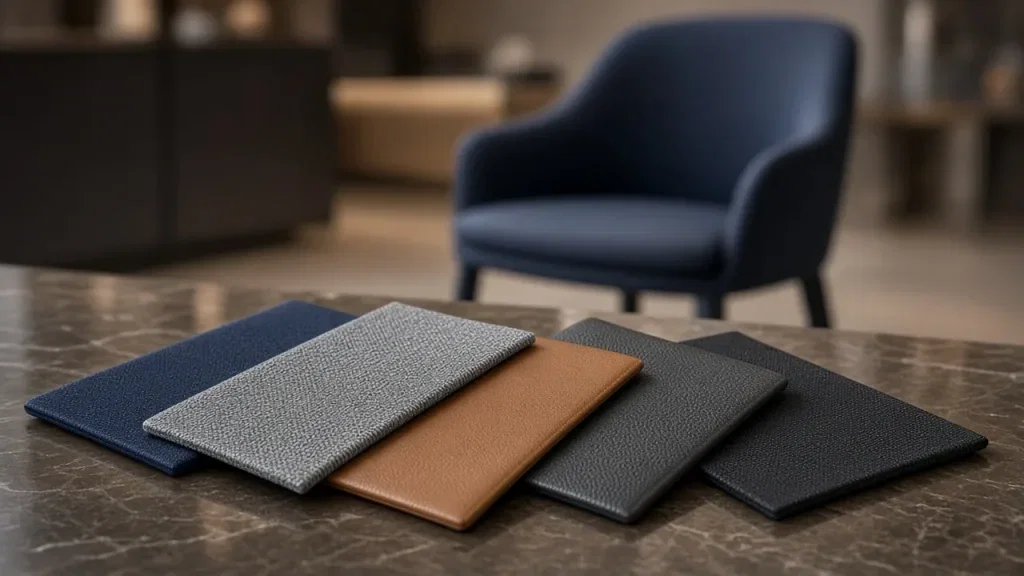
- Classic neutrals. Black, charcoal, gray and navy are timeless and professional.
- Warm tones. Caramel, cognac and tan leather add warmth, especially with wood tables.
- Brand colors. Accent colors can reinforce your brand in a subtle way.
- Contrast stitching. A contrasting thread color adds a custom detail.
- Channel or pleated backs. Stitching patterns can change the character of a chair.
- Two-tone designs. Different colors on the inside and outside backs create a tailored look.
Bring samples into the room to see how they look in your actual lighting and alongside your furniture.
Don’t Forget Comfort
A conference chair should be comfortable for long meetings. During reupholstery, consider:
- Replacing foam. New foam can restore support and improve comfort.
- Adjusting firmness. Discuss your preferences with your upholsterer.
- Arm pads. Recovering or padding armrests improves comfort and appearance.
If the chair’s mechanisms, such as tilt or height adjustment, need attention, contact the manufacturer or a qualified office furniture technician.
Planning Around Your Meeting Schedule
Conference rooms are often booked weeks in advance. A few strategies keep disruption low:
- Check the calendar. Choose a period with fewer important meetings, such as a holiday week.
- Work in phases. For larger rooms, reupholster chairs in groups while temporary seating fills in.
- Use other rooms. Move meetings to another space during the work.
- Prepare materials in advance. Confirm your material and quantity before chairs leave the office.
- Plan delivery and pickup. Coordinate building access, elevators and loading docks.
Ask your upholsterer for a realistic timeline based on the number of chairs, their construction and material availability.
Caring for Reupholstered Conference Chairs
Once your chairs are refreshed, simple care helps them last:
- Leather. Dust regularly, wipe spills promptly and condition according to the leather manufacturer’s guidance.
- Vinyl. Wipe with a mild cleaner suitable for the material and avoid harsh chemicals.
- Fabric. Vacuum periodically and spot clean using methods appropriate to the fabric’s care code.
- Sun protection. Use blinds or window film to reduce fading.
- Check regularly. Look for loose seams or wear on arms and edges so they can be addressed early.
Beyond the Boardroom
Conference room makeovers often lead to other projects. Consider reupholstering:
- Reception and lobby seating
- Executive office chairs
- Training room chairs
- Lounge seating and benches
- Break room stools
Coordinating these pieces creates a consistent look throughout your office.
Conference Chair Reupholstery in the Bay Area
Leo’s Upholstery works with businesses across the East Bay and greater San Francisco Bay Area from our shop in San Leandro. We reupholster conference chairs, executive seating, reception furniture and more. Learn more about our office furniture upholstery and commercial upholstery services.
Frequently Asked Questions
Can you replace bonded leather with real leather?
In many cases, yes. We can discuss upgrading to genuine leather, quality vinyl or another durable material.
Can you reupholster chairs with molded plastic shells?
It depends on the design. Some chairs have removable upholstered panels that can be recovered. We’ll assess your chairs to confirm.
How many chairs can you take at once?
We can plan projects in phases to fit your schedule, whether you have a single boardroom or several conference rooms.
Can you match our existing chairs?
We can help you find matching or complementary materials so your chairs look consistent.
Will reupholstery fix a chair that won’t stay up?
Height and tilt issues are mechanical. We recommend having those checked by the manufacturer or a qualified technician.
Make Your Conference Room Meeting-Ready
Your conference room should reflect the quality of your business. Reupholstery gives well-built chairs a fresh look and restored comfort, often without the cost and wait of replacing the entire set.
Call Leo’s Upholstery at (510) 895-3632 or request a quote online. Our San Leandro shop at 1835 E 14th St is open Monday through Friday from 8 AM to 4:30 PM and Saturday from 7 AM to noon. Send us photos of your chairs and we’ll help you plan the makeover.