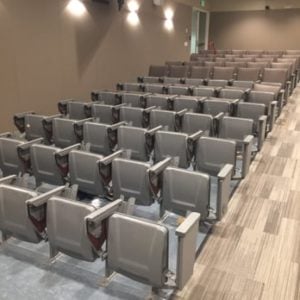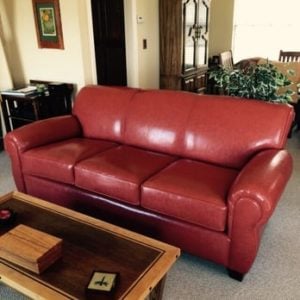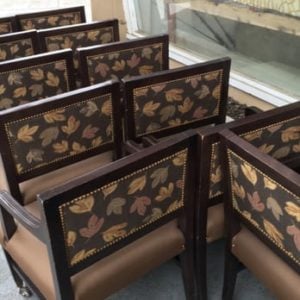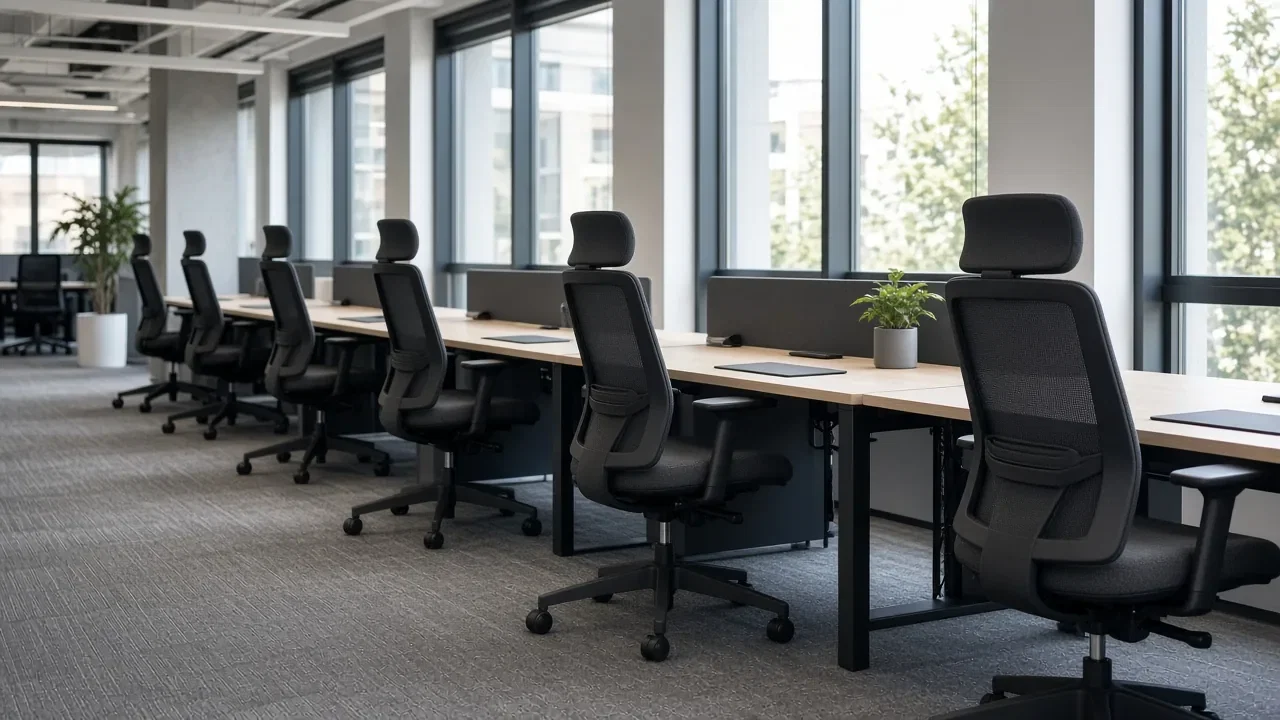
Every facilities manager eventually faces the same question: the office chairs are looking worn, so should you buy new ones or reupholster the ones you have? The answer isn’t always obvious. New chairs promise a fresh start, but they can come with a significant price tag, lead times and the hassle of disposing of the old ones. Reupholstery can save good chairs, but it isn’t the right choice for every piece.
This guide is designed to help facilities managers, office managers and operations teams make a clear, practical decision. It covers how to evaluate your chairs, when reupholstery makes sense, when replacement is the better path, and how to plan a project with minimal disruption to your team.
Start With an Honest Chair Assessment
Before deciding, take inventory of your chairs. Group them by type, such as task chairs, conference chairs, guest chairs, lounge seating and stools. Then evaluate each group.
Check the mechanisms
For task chairs, the mechanism matters most. Test:
- Height adjustment and gas cylinder function
- Tilt, tension and tilt lock
- Seat depth and back height adjustments, if present
- Armrest adjustments
- Casters and base condition
If the mechanisms work well, the chair is a strong candidate for reupholstery. If mechanisms are failing, find out whether replacement parts are available from the manufacturer or a qualified office furniture technician. Upholstery doesn’t fix mechanical problems.
Look at the frame and shell
Check for cracked plastic shells, broken welds, loose joints or damaged wood. A solid frame is the foundation for a successful reupholstery project.
Evaluate the upholstery and foam
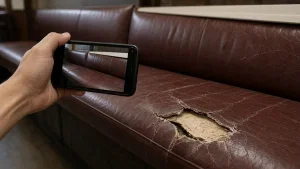
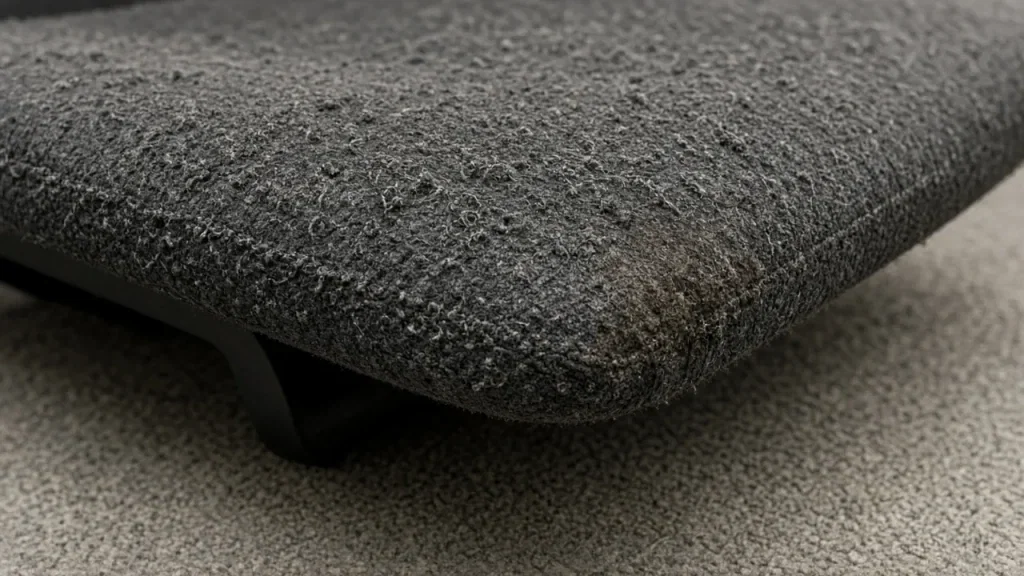
Note fabric wear, stains, pilling, fraying, tears and seams that have opened. Sit in the chairs. Flattened foam that leaves people sitting on the seat pan is a common reason chairs feel uncomfortable, and it can be replaced during reupholstery.
Consider ergonomics
Do the chairs still provide the adjustability and support your team needs? If the chairs were well-chosen ergonomic models, keeping them often makes sense. If they never fit your team well, it may be time for a new model.
When Reupholstery Is the Better Choice
Reupholstery is often the smart decision when:
- The chairs are good quality. Well-built office chairs are designed to last. Replacing the upholstery and foam can extend their life.
- Mechanisms work properly. If adjustments are smooth and reliable, the most expensive part of the chair is still doing its job.
- You want a new look. Reupholstery lets you update colors to match a new brand, renovation or office layout.
- Executive and conference chairs are involved. Higher-end chairs often have frames and finishes worth preserving.
- Lead times matter. New furniture orders can take time. Reupholstery can sometimes be scheduled more flexibly.
- Sustainability is a priority. Reusing chair frames helps reduce waste and supports company environmental goals.
- You need to match existing furniture. If you’re adding to an existing set, reupholstering can bring older pieces in line with newer ones.
When Buying New Makes More Sense
Replacement may be the better option when:
- Mechanisms are broken and parts are unavailable
- Frames or shells are cracked or structurally compromised
- Chairs don’t meet your team’s ergonomic needs
- The chairs are low-cost models with molded components that can’t be recovered
- You need a large number of identical chairs for a new space and want a single, unified product
- Your office is changing its workplace strategy, for example moving to different types of seating
Some offices take a hybrid approach: reupholster executive, conference and guest chairs that are built to last, and replace task chairs that are worn mechanically.
Comparing the True Cost
A purchase price only tells part of the story. When comparing options, consider:
- Purchase or reupholstery cost. Get quotes for both options based on your actual chairs.
- Lead time. How quickly can chairs be delivered or returned?
- Disruption. How will each option affect your team’s workdays?
- Disposal. What will it take to remove and dispose of old chairs?
- Lifespan. How much additional life can you expect from reupholstered chairs compared to new ones?
- Consistency. Will new chairs match your existing furniture?
Getting a reupholstery quote is a simple way to compare options with real numbers.
A Simple Decision Framework for Facilities Teams
When you have dozens or hundreds of chairs, case-by-case decisions can become overwhelming. A simple framework helps you sort chairs quickly and explain the plan to leadership.
Sort chairs into three groups
- Keep and reupholster. Chairs with sound frames, working mechanisms and a design your team likes. These are your best candidates for new fabric and foam.
- Repair, then reupholster. Chairs that need a part replaced, such as a cylinder or caster, from the manufacturer or a qualified technician before upholstery work makes sense.
- Retire and replace. Chairs with broken frames, unavailable parts or poor ergonomics.
This sorting exercise often reveals that a portion of the fleet is worth keeping, even if some chairs need to go.
Build a pilot
Before committing to a large order, reupholster a small group of chairs. Place them in a busy area and ask employees for feedback about comfort and appearance. A pilot confirms that the fabric, foam and finish meet your expectations and gives you real information for the remaining phases.
Document what you choose
Record the fabric name, color, foam choice and care instructions for each chair type. Keep this information with your furniture records. When the office adds staff or moves to a new floor, you can match existing chairs instead of starting over.
Think about the whole workplace
Task chairs are only part of an office. Reception seating, conference chairs, break room stools and lounge furniture all contribute to how a workplace feels. Considering them together can create a cohesive look and simplify scheduling. It also helps you prioritize the pieces that visitors and clients see first.
Questions to Ask Before Approving a Quote
Make sure the scope is clear before work starts. Ask whether foam replacement is included, how chairs will be picked up and returned, what happens if hidden damage is found and how long each phase is expected to take. Clear answers up front make it easier to plan around your team’s schedule and avoid surprises halfway through the project.
Choosing Materials for Office Chairs
Office chairs see daily friction and long hours of sitting. When choosing materials, consider:
- Commercial-grade fabric. Choose upholstery designed for contract use with good abrasion resistance.
- Breathability. For task chairs used all day, breathable fabrics can improve comfort.
- Cleanability. Performance fabrics and vinyls are easier to clean in shared spaces.
- Fire safety. California has upholstered furniture flammability requirements, including TB 117-2013. Your upholsterer can help you choose suitable materials.
- Color and brand. Neutral colors work well in most offices, while accent colors can reinforce brand identity.
Fabric vs. vinyl vs. leather
Fabric is comfortable and breathable for task seating. Vinyl and faux leather are easy to clean and work well in shared spaces, break rooms and reception areas. Leather is often used for executive and conference chairs.
Planning a Reupholstery Project Without Disrupting Work
Facilities managers know that any furniture project needs to fit around the workday. Here are strategies to keep disruption low:
- Work in phases. Rotate groups of chairs so most of your team always has a seat.
- Use spare chairs. Keep a few extra chairs available while others are out for work.
- Schedule around slow periods. Plan work around holidays, weekends or periods of lower occupancy.
- Label everything. Tag each chair with its location or owner so it returns to the right desk.
- Communicate with employees. Let teams know when chairs will be swapped and when they’ll be returned.
Maintaining Office Upholstery
A few simple habits help chairs last longer:
- Vacuum fabric chairs periodically to remove dust and debris
- Spot clean spills promptly using methods suitable for the fabric
- Follow fabric care codes for cleaning
- Schedule professional cleaning for high-use seating
- Encourage employees to report damage early
Office Chair Reupholstery in the Bay Area
Leo’s Upholstery helps businesses across the East Bay and greater San Francisco Bay Area extend the life of their office furniture. From our San Leandro shop, we reupholster task chairs, conference chairs, guest seating and lounge furniture. Learn more about our office furniture upholstery services and chair upholstery.
Frequently Asked Questions
Can you reupholster ergonomic task chairs?
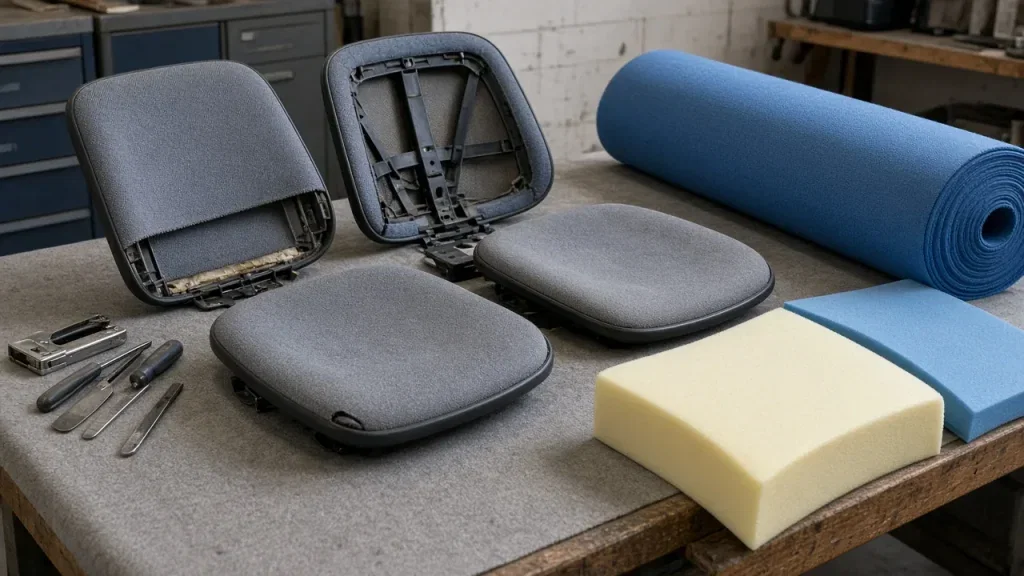
Many task chairs can be reupholstered, depending on how the seat and back are built. Some chairs have removable seat pans and backs that make reupholstery straightforward. We’ll assess your chairs to confirm.
Can you fix chair mechanisms?
Our work focuses on upholstery, foam and padding. For mechanism issues, we recommend contacting the manufacturer or a qualified office furniture technician.
Will reupholstered chairs match our new furniture?
We can help you choose fabrics that match or complement your new furniture.
Can you work on a large number of chairs?
Yes. We can plan larger projects in phases to fit your schedule and keep your office running.
What information do you need for a quote?
Photos of each chair type from the front, back and side, the number of chairs in each group, and a note about any damage or comfort complaints are a great start. If you know the manufacturer and model, include that as well. We can follow up with questions or arrange to look at the chairs in person.
Is reupholstery more sustainable than buying new?
Reupholstery keeps usable frames and mechanisms in service, which can help reduce furniture waste.
Make a Confident Decision
Not every chair should be reupholstered, and not every chair needs to be replaced. By assessing your chairs carefully and comparing real quotes, you can choose the option that gives your team the best value and comfort.
Call Leo’s Upholstery at (510) 895-3632 or request a quote online. Our San Leandro shop at 1835 E 14th St is open Monday through Friday from 8 AM to 4:30 PM and Saturday from 7 AM to noon. Send us photos of your chairs, and we’ll help you weigh your options.