Hotel guests form an impression within seconds of walking through the front door. The lobby lounge, the chairs near the check-in desk and the seating by the windows all set expectations for the rest of the stay. Upstairs, the guest room headboard, desk chair and lounge chair do the same thing on a smaller scale.
Upholstered furniture takes a lot of wear in hospitality settings. Lobby seating is used around the clock. Guest room chairs see a steady stream of new occupants, luggage and room-service trays. Over time, fabrics fade, cushions flatten, arms wear thin and stains build up. A property can start to look dated long before its furniture is structurally worn out.
Reupholstery is one of the most effective ways for hotels, inns, boutique properties and short-term rental operators to refresh their spaces. It can update the look of a lobby or a full floor of rooms while keeping well-built furniture in service. This guide explains how to plan a hospitality reupholstery project, choose the right materials and keep rooms available while the work gets done.
Why Reupholstery Makes Sense for Hotels
Quality frames last longer than fabric
Contract furniture for hotels is often built with sturdy frames designed for heavy use. When the fabric and foam wear out, the frame is frequently still sound. Reupholstery replaces the parts guests see and feel, while keeping the structure that was designed to last.
Design flexibility
New upholstery lets a property update its color palette, introduce new textures or align furniture with a renovation or rebrand. Lobby seating can become a design statement, and guest rooms can receive a consistent new look across every floor.
Less disruption than replacement
Ordering new furniture can involve long lead times, freight deliveries and disposal of old pieces. Reupholstery can often be scheduled in phases that fit occupancy, with furniture rotating out and back in.
Reduced waste
Keeping solid frames in use helps reduce the amount of furniture sent to landfills, which matters to many properties and guests.
Where to Focus: Lobby, Guest Rooms and Beyond
Lobby and public areas
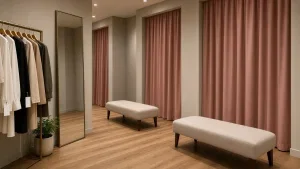
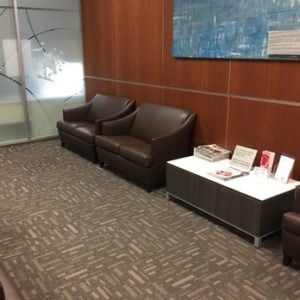
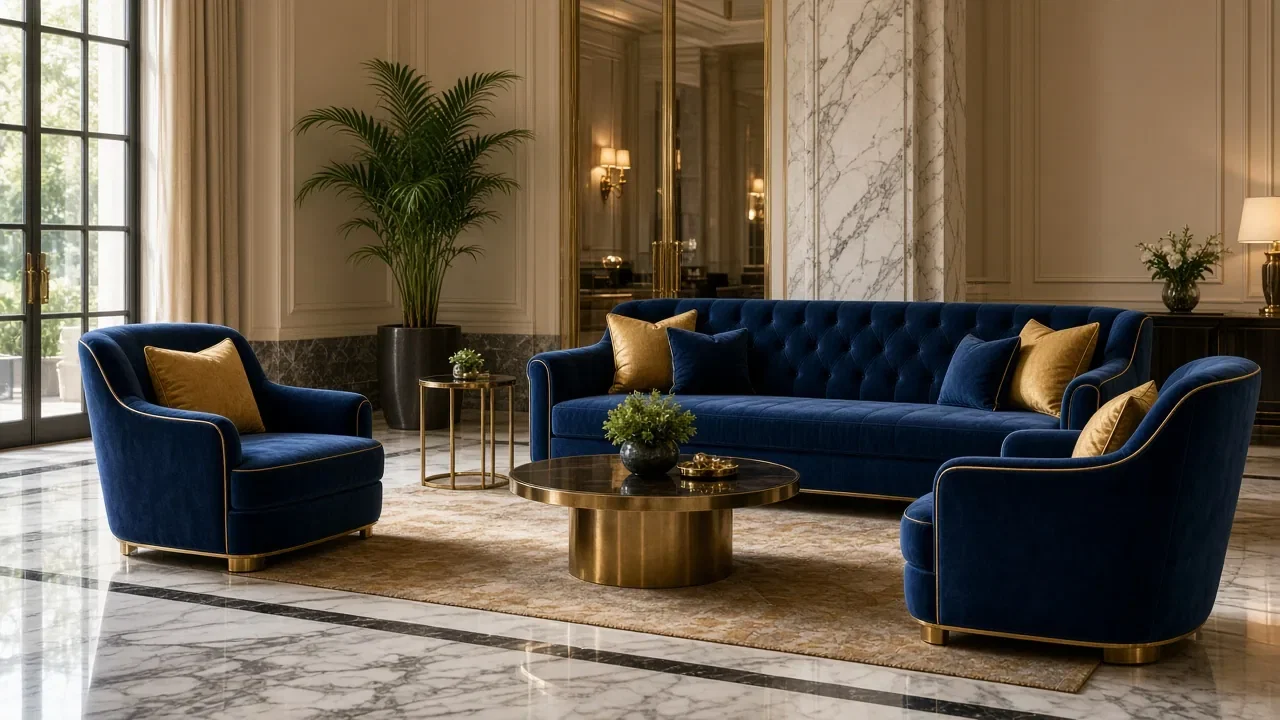
Lobby furniture sets the tone for the entire property. Common pieces include:
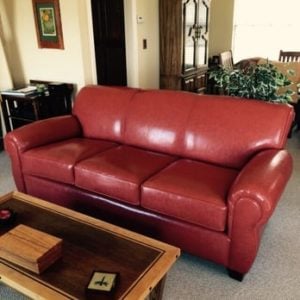
- Lounge chairs and sofas
- Banquettes and built-in seating
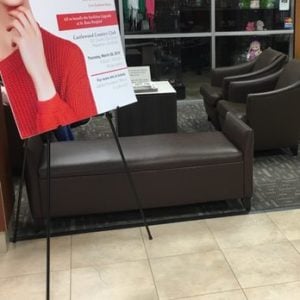
- Ottomans and benches
- Chairs near the front desk and business center
These pieces are seen by every guest and are used constantly, so durability and appearance both matter.
Guest rooms
In guest rooms, the most common upholstered items include:
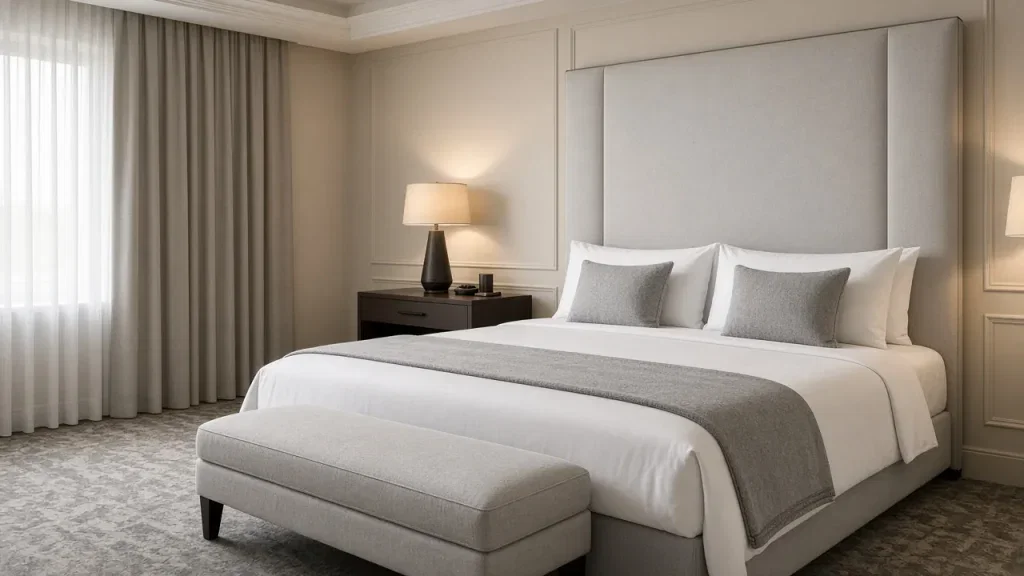
- Headboards
- Desk and side chairs
- Lounge chairs and sleeper sofas
- Benches and luggage benches at the foot of the bed
- Window seats and cushions
Because rooms are usually furnished in matching sets, reupholstery creates a consistent result that’s easy to schedule floor by floor.
Restaurants, bars and meeting rooms
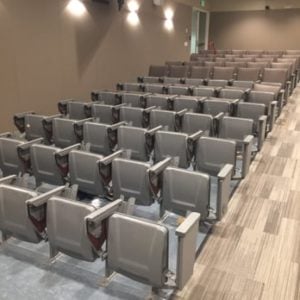
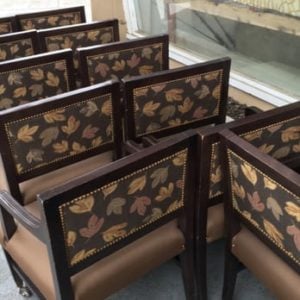
Many hotels also have dining areas, lounges and meeting spaces. Booths, bar stools and conference chairs can be reupholstered as part of the same project for a cohesive look.
Choosing Materials for Hospitality Use
Hospitality fabrics must balance looks with performance. When choosing materials, consider:
- Commercial-grade durability. Choose fabrics and vinyls designed for contract or hospitality use, with abrasion resistance suited to heavy wear.
- Stain resistance and cleanability. Performance fabrics, coated textiles and vinyls can make spills easier to manage. Ask about recommended cleaning methods.
- Fire safety. California has flammability requirements for upholstered furniture, including TB 117-2013, and some properties have additional specifications. Discuss requirements with your upholsterer and your property’s management or design team.
- Light fastness. Lobby furniture near windows can fade. Ask about colorfastness when choosing fabrics.
- Comfort and feel. Guests notice how a chair feels. Soft textures and good foam improve the experience.
- Pattern and scale. Patterns can hide wear, but they should be scaled to the furniture and room.
Fabric vs. vinyl vs. leather
Fabric offers warmth, texture and a residential feel that many hotels want. Vinyl and faux leather are easy to clean and work well in high-traffic areas, dining spaces and family-friendly properties. Genuine leather offers a premium look but requires more care. Many properties combine materials, for example fabric seats with vinyl outside backs.
Planning a Reupholstery Project Around Occupancy
Hotels can’t close a floor for long without lost revenue. Smart scheduling keeps disruption low.
Inventory and assessment
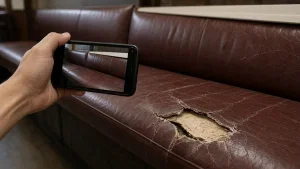
Start by listing all the upholstered furniture you want to update, including quantities, styles and locations. Photos help the upholsterer understand construction and provide accurate estimates.
Prototype first
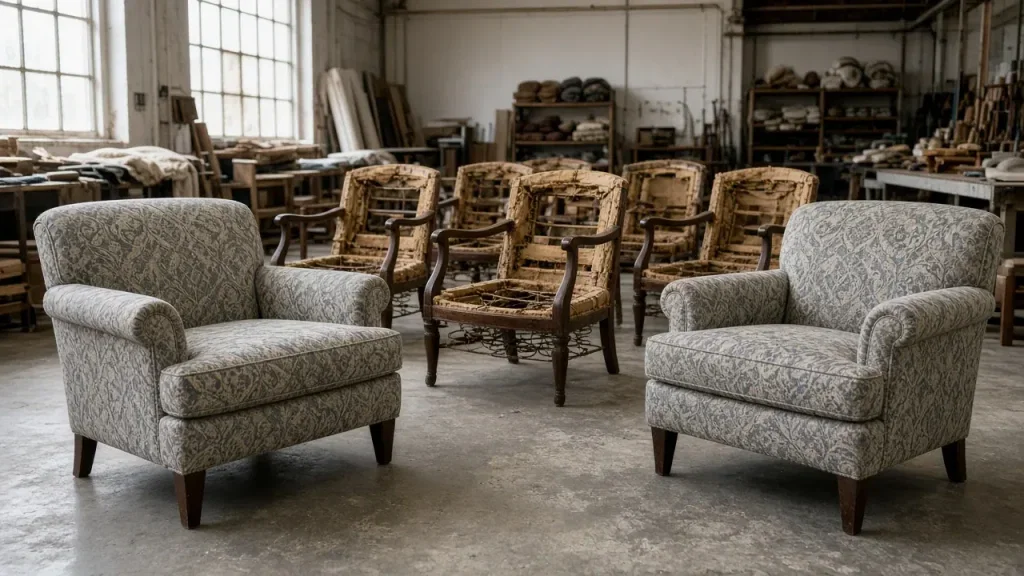
For larger projects, reupholstering a sample piece first lets you approve the material, fit and comfort before committing to the full order. This step can prevent surprises later.
Work in phases
Divide the project into manageable groups, such as one floor at a time or one section of the lobby at a time. Furniture is removed, reupholstered and returned before the next group goes out.
Use low-occupancy periods
Schedule work during slower seasons or weekdays, depending on your property’s patterns.
Coordinate logistics
Plan for loading docks, elevator access, storage space and staff support for moving furniture. Clear communication with housekeeping, front desk and engineering teams keeps everything on track.
Temporary furniture
For lobby areas, consider temporary seating or rearranging existing furniture while pieces are out for work.
Writing a Clear Scope for a Hospitality Project
Hotel projects involve many people, from general managers and engineering staff to designers and purchasing teams. A written scope keeps everyone working from the same information and makes quotes easier to compare.
A useful scope usually includes:
- A list of each furniture type, quantity and location
- Photos showing the front, back, sides and any damage
- Whether foam, padding or frame repairs are expected
- Selected materials, or the performance requirements materials must meet
- Any property, brand or designer specifications
- Access hours, loading details and elevator availability
- The preferred order of phases and target completion windows
Decide how changes will be approved
Hidden problems are common in older furniture. A frame may need a reglued joint, or a cushion may need a new insert that was not visible before stripping. Agree in advance who can approve additional work and how quickly decisions can be made. A delayed decision can hold up an entire phase.
Track pieces carefully
When dozens of matching chairs leave a property, tracking matters. Labeling each piece by room or area helps ensure that furniture returns to the right place. This is especially important when pieces look alike but have slight differences in size, finish or hardware.
Making the Most of a Lobby Refresh
Because the lobby is the most visible space in a property, a lobby reupholstery project deserves extra thought. Look at the space at different times of day, since lighting changes how colors and textures read. Consider how guests actually use the seating. Some lobbies function as a waiting area, others as a lounge for working or meeting friends.
Furniture that gets heavy use, such as chairs near the entrance or the front desk, may benefit from a more durable material, while accent pieces can feature richer textures. Tie the space together with a consistent palette, even when using different materials on different pieces.
Maintaining Hospitality Upholstery
Once your furniture is refreshed, regular care helps protect the investment:
- Vacuum fabric regularly. Removing dust and grit reduces abrasion.
- Spot clean quickly. Address spills promptly using methods suitable for the material.
- Follow manufacturer care codes. Fabric care codes indicate whether water-based or solvent-based cleaners are appropriate.
- Rotate cushions. Flip and rotate loose cushions to spread wear evenly.
- Protect from sun. Use window treatments to reduce fading in sunny areas.
- Schedule professional cleaning. Periodic deep cleaning keeps fabrics looking fresh.
- Inspect regularly. Housekeeping can report loose seams, stains and damage early.
Cushions, Foam and Comfort
Reupholstery isn’t only about fabric. Foam in hotel seating often compresses over time, leaving cushions flat and uncomfortable. Replacing foam during reupholstery restores comfort and helps the new fabric fit and look its best. For seat cushions, a foam with good resilience and a soft wrap can provide a comfortable, inviting feel.
Headboards can also benefit from new padding, especially if the original padding has compressed or lost its shape.
Hotel and Hospitality Upholstery in the Bay Area
Leo’s Upholstery works with hotels, inns, boutique properties and hospitality businesses across the East Bay and greater San Francisco Bay Area. From our San Leandro shop, we reupholster lobby furniture, guest room seating, headboards and dining furniture. Learn more about our hotel and hospitality upholstery services and headboard and bed upholstery.
Frequently Asked Questions
Can you reupholster all the chairs on a hotel floor at once?
We can plan projects in phases that fit your occupancy, such as one floor or one group of rooms at a time, so your property stays operational.
Do you work with hotel designers?
Yes. We’re happy to coordinate with designers, purchasing teams and property managers on materials and specifications.
Can you reupholster headboards?
Yes. Headboards are a common hotel reupholstery project and can make a big difference in how a room looks.
What materials work best in hotel lobbies?
It depends on your style and traffic. Performance fabrics, contract-grade textiles and vinyl are all common. We’ll help you choose materials that fit your design and maintenance needs.
Should we reupholster a sample piece first?
For larger projects, yes. A sample lets your team approve the material, comfort and finish on an actual piece of your furniture before the rest of the order moves forward. It is a simple way to reduce surprises.
Can you match our existing furniture?
We can help you find matching or coordinating materials for consistency across your property.
Refresh Your Property, One Piece at a Time
Reupholstery helps hotels and hospitality businesses keep their spaces fresh, comfortable and on-brand without replacing quality furniture. With careful planning, you can update lobbies and guest rooms while keeping your property open.
Call Leo’s Upholstery at (510) 895-3632 or request a quote online. Our San Leandro shop at 1835 E 14th St is open Monday through Friday from 8 AM to 4:30 PM and Saturday from 7 AM to noon. Tell us about your property and we’ll help you plan the next refresh.