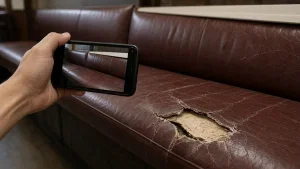
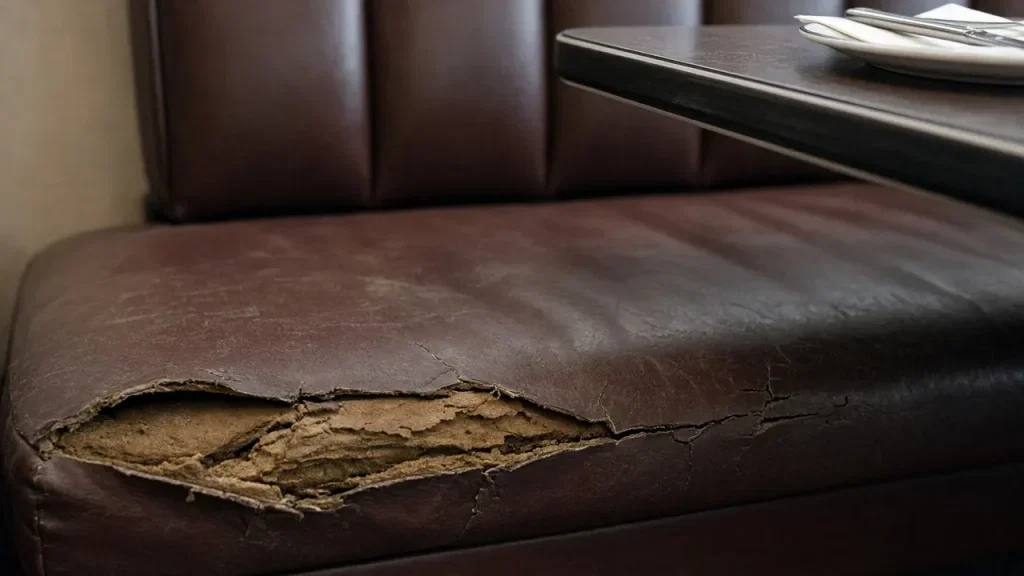
Booths are often the most requested seats in a restaurant. Guests like their comfort and privacy, and operators like how efficiently they use floor space. But that popularity comes at a cost. Booth seats get slid across, leaned on, spilled on and wiped down many times every service. Eventually the vinyl cracks, the seams open and the foam flattens.
Torn booths affect how guests see the entire restaurant. A split seat or a patch of tape can make a dining room feel neglected, even when the food and service are excellent. Yet many owners put off reupholstery because they worry about closing sections of the dining room or losing a busy night.
With the right planning, booth reupholstery can be done with minimal disruption. This guide explains how to assess your booths, choose durable materials and schedule the work so your restaurant keeps serving guests.
Why Booth Upholstery Wears Out
Restaurant booths face a combination of stresses that home furniture never sees:
- Constant friction. Guests slide in and out, which wears the front edge and seat surface.
- Spills and cleaning. Food, drinks and frequent wiping take a toll on vinyl over time.
- Heavy use. Booths may be occupied through multiple seatings every day.
- Heat and light. Booths near windows, kitchens or heaters can dry out and fade faster.
- Sharp objects. Rivets on jeans, keys, bags and high chairs can scratch or puncture the surface.
- Foam breakdown. Compressed foam lets guests sink into the seat and puts more stress on the cover.
Most booth damage starts at the front edge of the seat, the seam where the seat meets the back, and the top of the backrest where people lean and grip.
Assessing Your Booths
Before calling an upholsterer, take a careful look at your seating. Note:
- Which booths have tears, cracks or split seams
- Whether foam feels flat, uneven or hard
- Loose or wobbly seats and backs
- Damage to the wood or frame
- Areas where the vinyl has become sticky, faded or peeling
- How many booths share the same style and color
Take photos of each booth and the damaged areas. Photos help an upholsterer understand the scope and give a more accurate quote, and they make it easier to plan phases.
Built-in vs. removable booths
Some booths have removable seat and back cushions, while others are built in place with upholstery fixed to the structure. Removable cushions can usually be taken to the shop, while built-in booths may need some on-site work or careful removal. Understanding your booth construction is a key part of planning.
Choosing the Right Material
Restaurant booths need materials designed for commercial use. When selecting a material, consider:
- Commercial-grade vinyl. Vinyl is popular for booths because it’s durable, easy to wipe and available in many colors and textures.
- Abrasion resistance. Choose a material rated for heavy commercial use.
- Cleanability. Ask which cleaners the material is compatible with and follow care instructions.
- Stain resistance. Some materials resist common food and drink stains better than others.
- Comfort. Softer vinyls and good foam make long meals more enjoyable.
- Fire safety. California has flammability standards for upholstered furniture, including TB 117-2013. Your upholsterer can help you choose suitable materials.
- Design. Booths are a major part of a restaurant’s look. Color, texture and stitching details such as channel tufting or piping can refresh the whole space.
Using Reupholstery to Update Your Dining Room’s Look
Booth reupholstery is not only a repair. Because booths cover so much visual space, a new material can change the feel of the room more than almost any other single update. It is worth thinking about design before choosing a replacement that simply matches what is already there.
Color and contrast
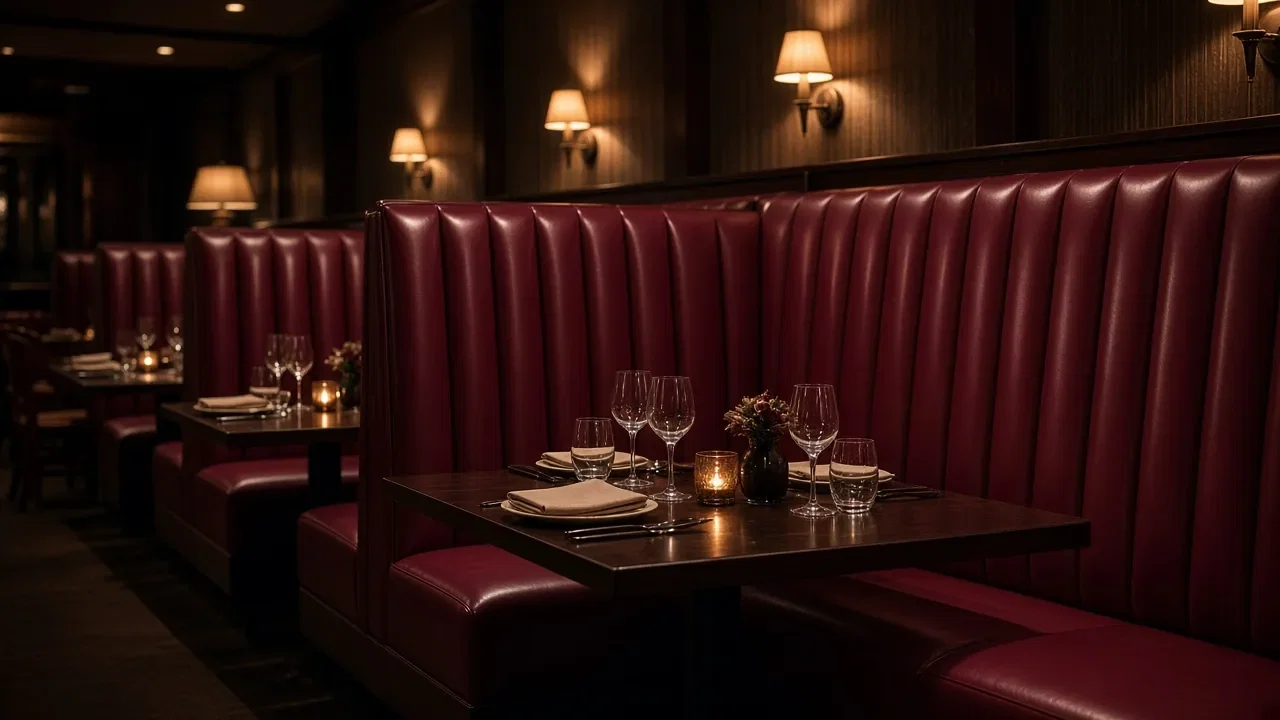
Deep tones such as burgundy, forest green, navy and chocolate brown are classic restaurant choices because they feel warm and tend to disguise everyday marks. Lighter neutrals can make a space feel brighter and more casual. Two-tone booths, with one color on the seat and another on the back or outer panels, add interest without overwhelming the room.
Stitching and shape
Details such as channel backs, vertical or horizontal tufting, welting along the edges and contrast stitching can make a booth feel custom. Keep cleaning in mind, though. Deep channels and buttons create more places for crumbs to collect, so choose details that your staff can maintain during a busy week.
Consistency across the space
If you are reupholstering in phases, choose the material and design for the entire room at the start. Ordering consistently helps finished sections match when the project is complete.
Planning Reupholstery With Minimal Downtime
The key to keeping your restaurant open during booth reupholstery is planning. Here’s how many restaurants approach it.
Work in phases
Instead of reupholstering every booth at once, divide the dining room into sections. Reupholster a few booths at a time while the rest of the dining room stays open. This approach keeps your capacity high and lets guests see the improvement as it happens.
Use closed days and slow periods
If your restaurant is closed one day a week or has quiet afternoons, those are ideal times to remove or reinstall seating. Many restaurants also schedule work during planned closures for deep cleaning or maintenance.
Prepare materials in advance
Choose your material and confirm quantities before any booths are removed. This avoids delays once the work begins.
Coordinate with your team
Let your managers and staff know which sections will be unavailable and when. Adjust reservations and seating charts accordingly.
Consider temporary seating
For built-in booths, temporary tables and chairs can fill the space while the booth is being worked on, keeping that section usable.
What the Reupholstery Process Looks Like
While every project is different, booth reupholstery typically involves:
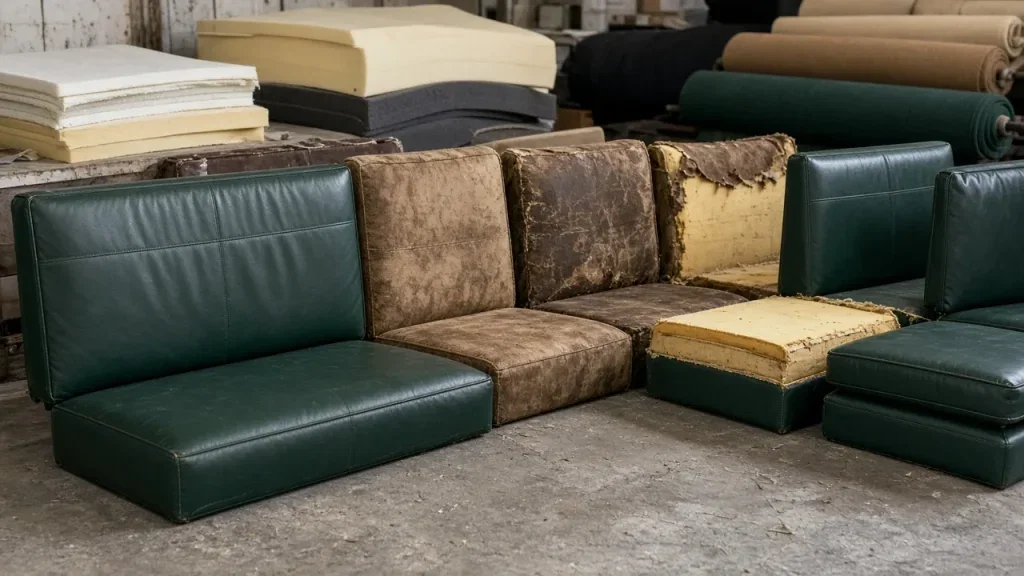
1. Assessment. The upholsterer reviews the booths, measures and discusses materials.
2. Removal. Seat and back cushions, or entire booth sections, are carefully removed.
3. Stripping. Old covers are removed, and the foam and frames are inspected.
4. Rebuild. Damaged foam is replaced and frame repairs are made as needed.
5. Covering. New material is cut, sewn where needed, and fitted for a tight, clean finish.
6. Reinstallation. Finished pieces return to the dining room.
Turnaround time depends on the number of booths, their construction and material availability. Ask your upholsterer for a realistic schedule.
Extending the Life of Your Booth Upholstery
After your booths are reupholstered, a few habits help them last:
- Wipe spills promptly. Food and drinks left on vinyl can stain or degrade it over time.
- Use the right cleaners. Follow the material’s care instructions and avoid harsh chemicals unless approved.
- Clean crevices. Crumbs and debris collect where seat meets back. Regularly clean these areas.
- Avoid sharp objects. Train staff to watch for high chairs, carts and other items that can damage seating.
- Inspect regularly. Check seams and edges periodically so small issues can be fixed before they grow.
Other Restaurant Seating to Consider
When you’re updating booths, it’s a good time to look at other seating:
- Bar stools
- Dining chairs
- Banquettes
- Lounge and waiting area seating
- Patio cushions
Updating seating together creates a consistent look and can make scheduling more efficient.
Planning Questions That Prevent Surprises
A booth project goes more smoothly when the important details are settled before any seating leaves the floor. Talk through these questions with your upholsterer:
- Will cushions be removed and reinstalled, or will some work happen on-site?
- What hours can the crew access the building?
- Is there a loading area and a clear path for moving booth sections?
- Who will approve additional work if hidden frame damage is found?
- How will the new material be cleaned, and who on staff needs the care instructions?
Plan around health and safety requirements
Moving seating and working in a dining area should never interfere with food safety or emergency exits. Coordinate work areas so walkways, exits and service routes stay clear. If seating is removed while you are open, make sure temporary furniture is stable and placed safely.
Communicate with guests
A short note on your website or social media, or a sign near the host stand, can explain that the dining room is being refreshed. Most guests appreciate seeing a restaurant invest in comfort. Once the work is complete, fresh booths are worth sharing as part of your story.
Restaurant Booth Reupholstery in the Bay Area
Leo’s Upholstery works with restaurants, cafes, bars and hospitality businesses throughout the East Bay and greater San Francisco Bay Area. From our San Leandro shop, we reupholster booths, banquettes, chairs and stools with durable commercial materials. Learn more about our restaurant and bar upholstery services and commercial upholstery work.
Frequently Asked Questions
Do we have to close the restaurant to reupholster booths?
Usually not. Many restaurants reupholster in phases, working on a few booths at a time or during closed days, so the dining room stays open.
Can built-in booths be reupholstered?
Yes. Built-in booths may require on-site work or careful removal, depending on their construction. We’ll assess your booths and recommend the best approach.
What is the most durable material for restaurant booths?
Commercial-grade vinyl is a popular choice because it’s durable and easy to clean. The best option depends on your restaurant’s style, traffic and cleaning routine.
Can you change the style of our booths?
In many cases, yes. Reupholstery is a chance to add details like channel tufting, piping or two-tone designs. We’ll discuss what’s possible with your booth construction.
How long does booth reupholstery take?
It depends on the number of booths, their construction and material availability. We’ll provide a schedule that fits your operations.
Refresh Your Dining Room Without Missing a Beat
Your booths are part of the guest experience. Reupholstery gives them new life, improves comfort and refreshes your restaurant’s look without the cost and disruption of replacing your seating.
Call Leo’s Upholstery at (510) 895-3632 or request a quote online. Our San Leandro shop at 1835 E 14th St is open Monday through Friday from 8 AM to 4:30 PM and Saturday from 7 AM to noon. Send us photos of your booths, and we’ll help you plan a refresh that works around your service.