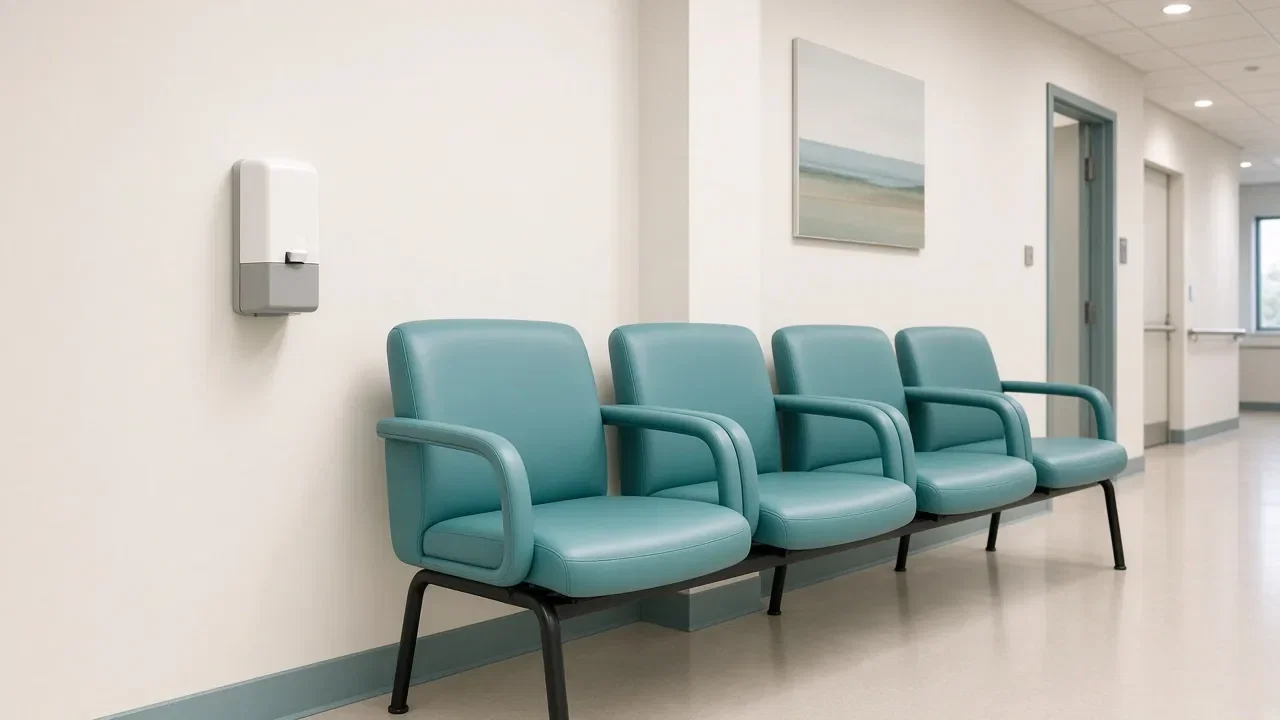
Healthcare facilities put a great deal of thought into cleaning procedures. Staff training, approved disinfectants, contact times and room-turnover routines all work together to keep patient areas safe. But those procedures only work as well as the surfaces they are applied to. Upholstered seating is one of the places where small problems can quietly undermine a careful cleaning program.
Exam room chairs, waiting room seating, patient recliners, treatment tables and staff stools are touched by many people every day. When those surfaces are intact and designed for healthcare use, staff can clean them effectively. When they’re cracked, torn, poorly seamed or made from the wrong material, cleaning becomes harder and less reliable.
This guide explains what clinics, dental offices, outpatient centers and other healthcare facilities should know about cleanable seating surfaces, and how upholstery choices and maintenance support infection control.
Why Upholstery Matters for Infection Control
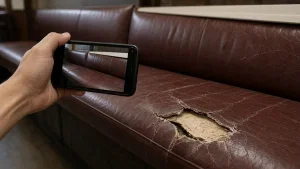
Infection prevention guidance generally treats furniture as part of the environment that must be kept clean. For upholstered items in patient care areas, guidelines from public health organizations generally favor surfaces that can be cleaned and disinfected easily and recommend repairing or replacing upholstery that is torn, cracked or otherwise damaged.
The reasoning is simple:
- Intact surfaces can be wiped. A continuous, non-porous surface keeps contamination on top, where cleaning can reach it.
- Damaged surfaces expose porous materials. Foam and padding beneath vinyl act like sponges and cannot be disinfected by surface wiping.
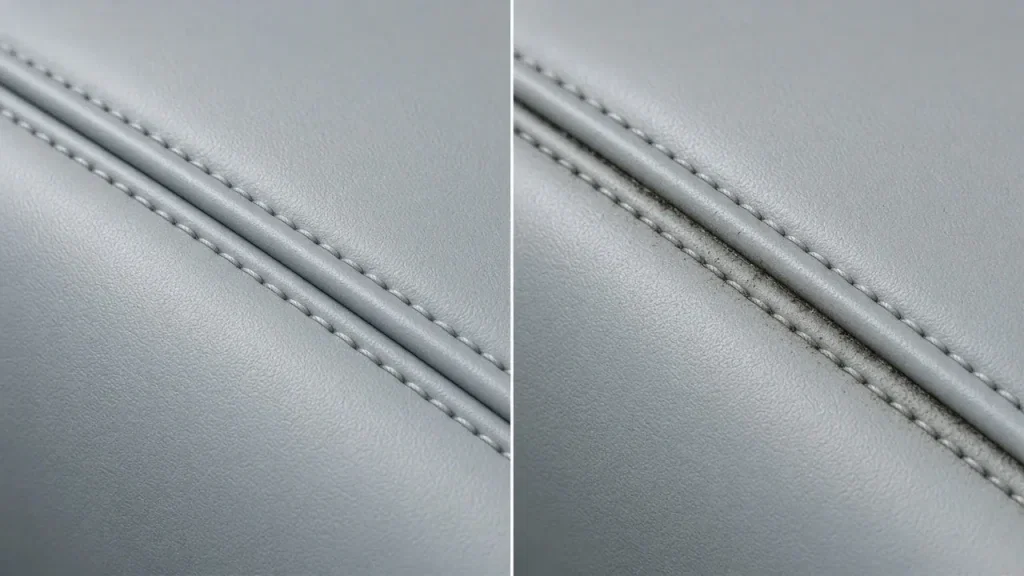
- Seams and crevices trap residue. Gaps, loose stitching and deep tufting create spots that are hard to clean thoroughly.
Your facility’s own infection prevention policies and the cleaning product labels should always guide your specific procedures. Upholstery choices simply make those procedures easier to follow.
What Makes a Seating Surface Cleanable?
Non-porous materials
Healthcare-grade vinyls and some polyurethane and coated fabrics are designed to resist fluid penetration. These materials allow liquids to sit on the surface, where they can be wiped away. Traditional woven fabrics, by contrast, can absorb spills unless they are specifically engineered and treated for healthcare use.
Disinfectant compatibility
Even durable vinyl can be damaged by cleaners it wasn’t designed to handle. Over time, incompatible chemicals can cause stiffening, cracking, discoloration or a sticky surface. When choosing upholstery, ask the supplier which cleaning agents the material is compatible with, and compare that to the products your facility actually uses.
Smooth construction details
How a piece is built matters as much as what it’s covered in:
- Fewer seams in contact areas. Seats and backs with minimal seams are easier to wipe.
- Tight, well-sewn seams. Seams should be clean and secure, without gaps.
- Clean-out gaps. Some healthcare chairs include a space between the seat and back so debris doesn’t collect there.
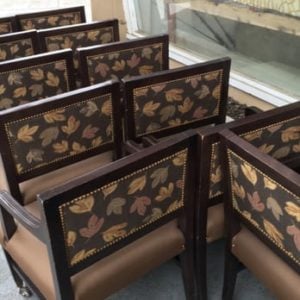
- Avoiding deep tufting and buttons. These details look attractive but create crevices.
- Wipeable arms. Arm caps made from solid surface, wood with a durable finish or vinyl are easier to clean than fabric-wrapped arms.
Fluid barriers
Some healthcare seating uses moisture barriers between the cover and the foam. If the cover is ever compromised, the barrier adds a layer of protection. Ask your upholsterer whether this is appropriate for your furniture.
The Hidden Risk of Worn Upholstery
Upholstery that was perfectly cleanable when new can become a problem as it ages. Common issues include:
- Surface cracking. Fine cracks develop as vinyl ages or reacts to cleaners.
- Peeling. Top coats can flake away, leaving a rough, porous surface.
- Punctures and tears. Sharp objects, rough use and equipment contact can open the cover.
- Split seams. Stitching loosens over time, especially at corners and stress points.
- Patches and tape. Temporary repairs create edges where grime collects.
Because these problems often start small, they can be easy to overlook. A regular inspection routine helps catch them before they compromise cleaning.
Areas to Pay Special Attention To
Every area of a facility has different needs.
Waiting rooms
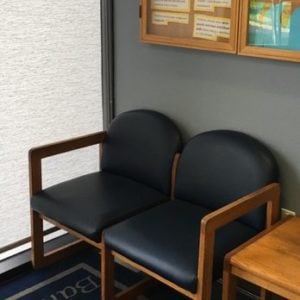
Waiting room seating sees high traffic from patients and visitors of all ages. Wipeable surfaces, sturdy construction and arms that support people as they sit and stand are important. Seating should also be easy to inspect and clean between busy periods.
Exam and treatment rooms
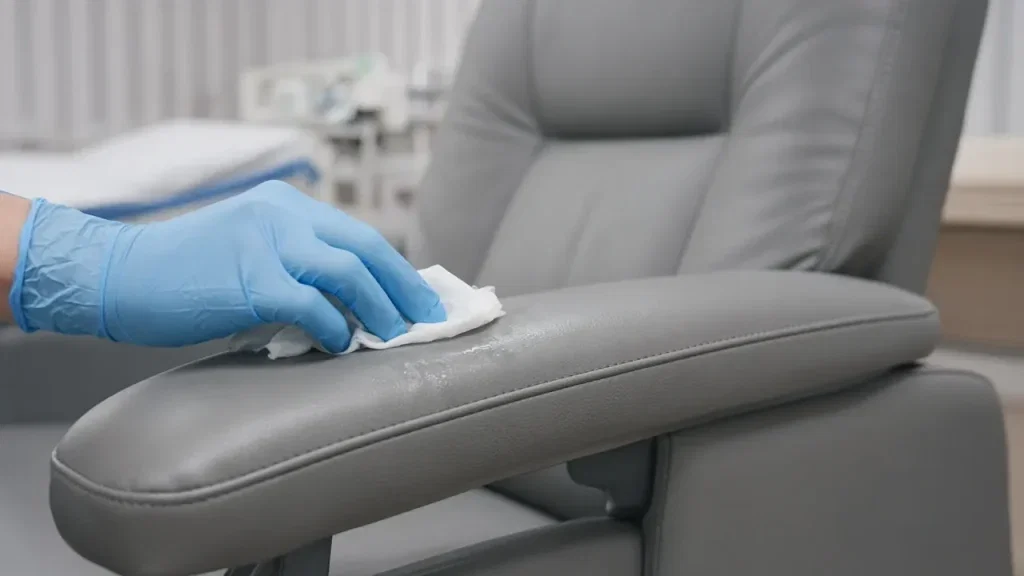
Exam tables, side chairs and stools are in direct contact with patients. These surfaces should be smooth, intact and compatible with the disinfectants used during room turnover.
Infusion, dialysis and recovery areas
Patient recliners in these spaces may be used for long periods. Comfort is important, but so are cleanable surfaces, intact seams and durable materials that stand up to frequent disinfection.
Staff areas
Break rooms and staff stations are sometimes forgotten, but they are also high-touch areas. Cleanable surfaces help support a healthy work environment.
How Reupholstery Supports Infection Control
When healthcare seating is worn or damaged, facilities often assume they must buy new furniture. In many cases, reupholstery is a practical alternative.
Reupholstery can:
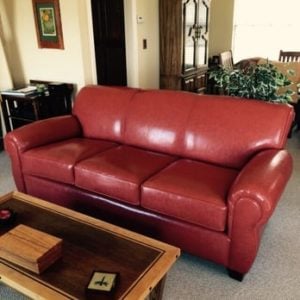
- Replace damaged covers with intact, healthcare-grade vinyl
- Replace absorbent, compressed or contaminated foam
- Add moisture barriers where appropriate
- Improve seam placement and construction details
- Update colors and create a consistent look across the facility
It’s especially useful when the furniture frames are solid and the facility likes the existing pieces. Reupholstery also lets facilities choose materials suited to their cleaning products rather than accepting whatever came with a new chair.
Bring the Cleaning Team Into Furniture Decisions
The people who clean seating every day often know where problems begin. Environmental services staff, medical assistants and front-desk teams can point out which chairs collect residue, which arms are hard to wipe and which cushions show damage first. Include them before choosing new materials or details.
Ask practical questions during the planning stage:
- Which surfaces take the most time to clean?
- Where do cleaning products pool or leave residue?
- Are any seats too awkward to move or inspect?
- Are fabric-covered arms, deep seams or buttons causing trouble?
- Which products and cloths are used in each room?
Their answers can shape better choices and help avoid repeating problems in the next upholstery cycle. A slightly simpler seat design, a wipeable arm cap or a different seam location may make the daily routine easier for years. These choices also help supervisors set clear expectations for how each piece should be maintained.
Keep care instructions with the furniture records
After reupholstery, file the material name, color and care instructions with your facility records. When a new cleaning product is introduced, compare it to that documentation before using it on the seating. This small step can prevent premature cracking or discoloration caused by an incompatible product.
Plan facility-wide updates in phases
Healthcare spaces rarely have a convenient time to remove every chair at once. Group furniture by area and priority. Address damaged patient-contact surfaces first, then high-traffic waiting areas, followed by staff and administrative spaces. A phased plan keeps rooms usable while steadily improving the condition of seating across the facility.
Building an Upholstery Inspection Routine
A simple inspection process helps facilities spot problems early:
- Assign responsibility. Decide who checks seating and how often.
- Use a checklist. Look for cracks, tears, punctures, split seams, peeling, stickiness, stains and patches.
- Remove damaged items from service. If a surface is compromised, take it out of patient areas until it can be repaired.
- Document and track. Keep a record of what needs attention so repairs can be scheduled.
- Plan proactively. Schedule reupholstery during slower periods or in phases to avoid disruption.
Choosing Materials: Questions to Ask
When you’re selecting upholstery for healthcare seating, ask your upholsterer or material supplier:
- Is this material intended for healthcare use?
- Which cleaners and disinfectants is it compatible with?
- How does it perform for abrasion resistance?
- Does it have any antimicrobial or stain-resistant treatments, and what do those claims actually mean?
- Is it suitable for California’s upholstered furniture flammability requirements, such as TB 117-2013?
- What care instructions does the manufacturer recommend?
Keep in mind that antimicrobial treatments on upholstery are typically designed to protect the material itself and do not replace routine cleaning and disinfection.
Healthcare Upholstery in the East Bay
Leo’s Upholstery helps clinics, dental offices, chiropractic practices and other healthcare facilities across the East Bay and greater San Francisco Bay Area keep their seating clean, comfortable and professional. From our shop in San Leandro, we reupholster exam tables, waiting room chairs, recliners, stools and more. Learn about our medical upholstery services and commercial upholstery.
Frequently Asked Questions
Is vinyl the only cleanable option for healthcare seating?
Vinyl is one of the most common choices, but there are also polyurethane materials and coated or engineered fabrics designed for healthcare use. Each has different properties, so it’s important to match the material to your space and cleaning routine.
Can fabric seating be used in healthcare settings?
Some healthcare facilities use specially engineered fabrics with fluid barriers and stain resistance, especially in less clinical areas. Your facility’s infection prevention team should guide those decisions.
How often should we inspect upholstered seating?
It depends on how heavily the seating is used. High-traffic areas benefit from frequent quick checks, with more thorough inspections on a regular schedule.
Do antimicrobial finishes make cleaning less important?
No. Antimicrobial finishes are generally intended to protect the material, not to replace cleaning and disinfection.
Can damaged furniture stay in use until it’s reupholstered?
Many facilities remove damaged items from patient areas until they’re repaired. Follow your facility’s policies.
Support Your Cleaning Program With the Right Upholstery
Cleanable, intact seating helps your staff do their job and gives patients confidence in your facility. If your seating shows signs of wear, reupholstery can restore a smooth, wipeable surface and help you get more life from furniture you already own.
Call Leo’s Upholstery at (510) 895-3632 or request a quote online. Our San Leandro shop at 1835 E 14th St is open Monday through Friday from 8 AM to 4:30 PM and Saturday from 7 AM to noon. Let us know what furniture you have, and we’ll help you plan a practical solution.