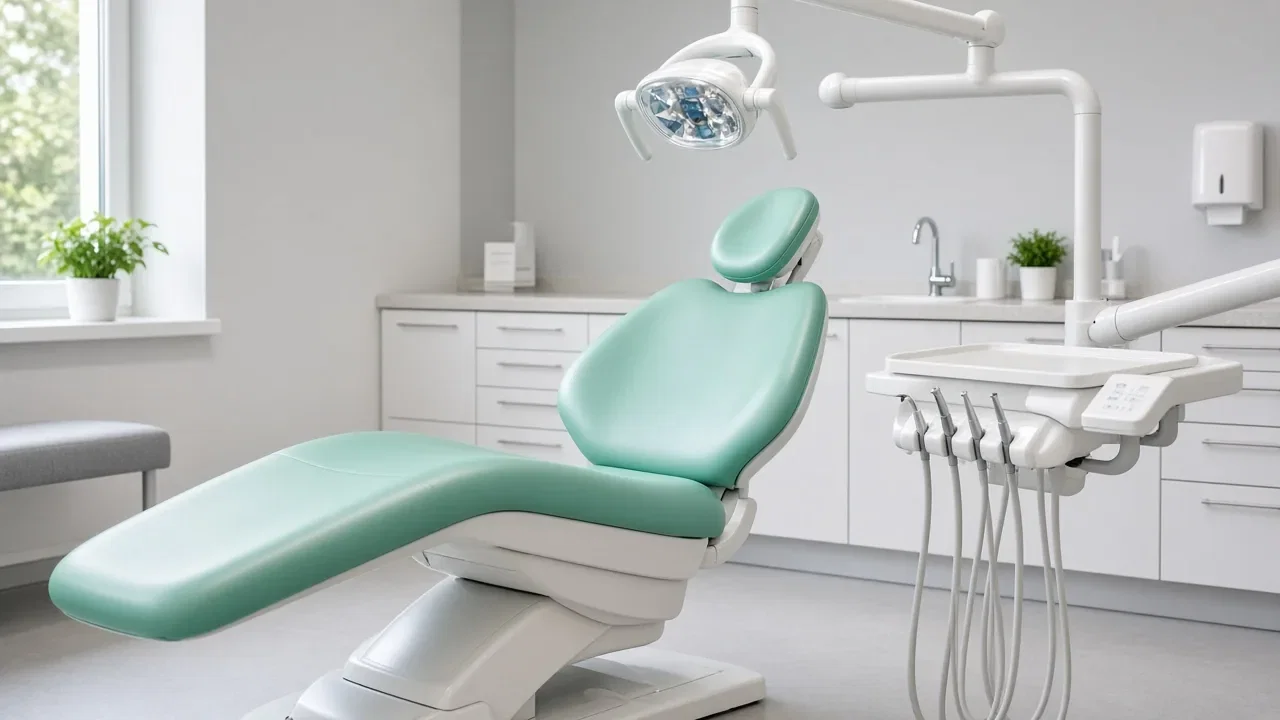
A dental chair is one of the most important investments in an operatory. It supports patients through every cleaning, filling and procedure, and it positions them so the dentist and hygienist can work comfortably. So when the upholstery starts to crack, fade or split, many practices assume the whole chair has reached the end of its life.
That isn’t always true. The upholstery on a dental chair usually wears out long before the chair’s structure, base and positioning systems do. In many cases, reupholstering the pads gives the chair a fresh, cleanable surface and a new look without the cost, lead time and installation work that comes with replacing the entire unit.
This guide walks through how to tell whether restoring makes sense, what the reupholstery process looks like, and how to plan the work so your schedule stays on track.
Why Dental Chair Upholstery Wears Out First
Dental chair upholstery has a demanding job. It flexes every time the chair reclines. It is wiped down between every patient, often with strong surface disinfectants. It is exposed to operatory lights, warmth and constant friction from patients getting in and out.
Over time, that routine takes a toll:
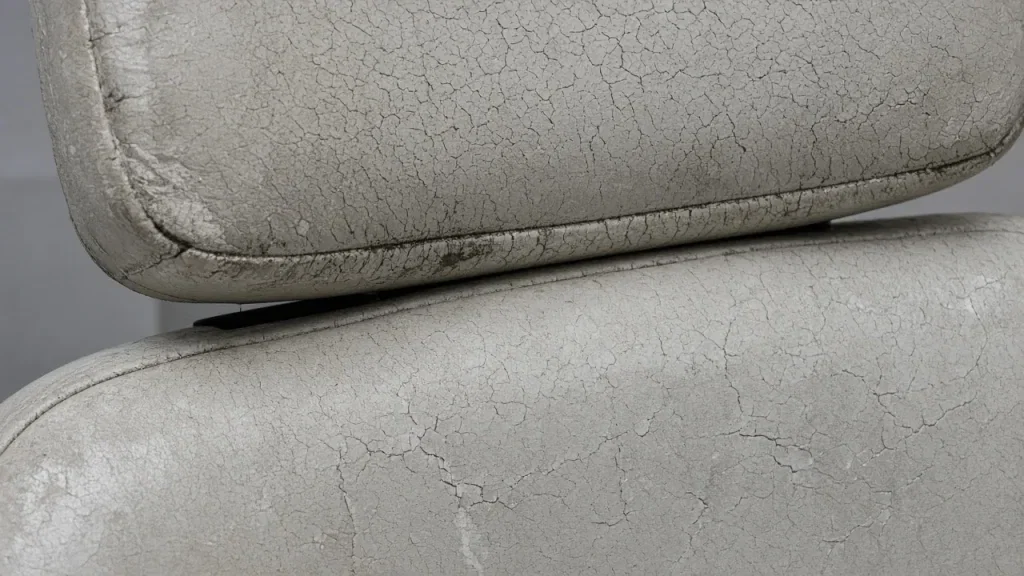
- Cracking and crazing. Vinyl can lose flexibility and develop fine cracks, especially at the headrest, seat edges and the bend between the seat and back.
- Fading and discoloration. Lights, sunlight and repeated cleaning can dull or yellow colors.
- Split seams. Stitching at stress points can open up as the vinyl stiffens.
- Flattened cushions. Foam compresses and loses support, which can make long appointments less comfortable.
- Sticky or peeling surfaces. Some vinyls develop a tacky feel or lose their top layer with age and chemical exposure.
These problems matter beyond looks. Damaged upholstery can be harder to clean thoroughly, and cracked or torn surfaces can allow moisture and debris to reach the foam beneath. Many infection control recommendations call for repairing or replacing damaged upholstered surfaces in clinical areas.
Restore or Replace? Questions to Ask First
Deciding between reupholstery and replacement starts with an honest look at the chair as a whole.
Is the chair mechanically sound?
If the chair raises, lowers, reclines and holds position smoothly, and the base and controls work reliably, the chair is a good candidate for reupholstery. If the hydraulics, motors, controls or delivery system are failing, talk with your dental equipment technician before investing in new upholstery.
Does the chair still fit your workflow?
A chair that suits your team’s ergonomics and your operatory layout is worth keeping. If you have been planning a full operatory redesign, new equipment may make more sense.
How many chairs are affected?
Practices often have several chairs of the same age, all showing similar wear. Reupholstering them together keeps the look consistent from room to room.
What are your timing constraints?
New equipment can involve ordering, delivery, installation and staff adjustment. Reupholstery can often be scheduled around your existing appointments with less disruption.
When Restoring Usually Makes Sense
Reupholstery is often the better choice when:
- The chair works well, but the upholstery is cracked, faded or torn
- You like the chair and your team is comfortable using it
- You want to refresh the operatory’s appearance without a full remodel
- You want to update colors to match a new brand or decor
- You’d prefer to keep sound equipment out of the landfill
When Replacement May Be the Better Path
Reupholstery isn’t the answer to every problem. Consider replacement when:
- The chair’s positioning, lift or electrical systems are unreliable
- Parts for your model are hard to source
- The chair no longer meets your clinical or ergonomic needs
- You are planning a complete operatory renovation with new delivery systems
A qualified dental equipment technician can help assess the mechanical side, while an upholsterer can evaluate the pads.
What Dental Chair Reupholstery Involves
Every chair model is a little different, but the process generally follows the same steps.
Removing the pads
Most dental chairs have removable upholstery sections, such as the seat, backrest, headrest and sometimes armrests. Depending on the chair, these may be removed by your team, your equipment technician or the upholsterer. Removing the pads carefully protects the clips, fasteners and plastic parts that hold them in place.
Inspecting the base and foam
Once the old cover is off, the upholsterer checks the backing boards, molded shells and foam. Foam that has collapsed or soaked up moisture is usually replaced. The goal is a cushion that feels supportive and holds its shape.
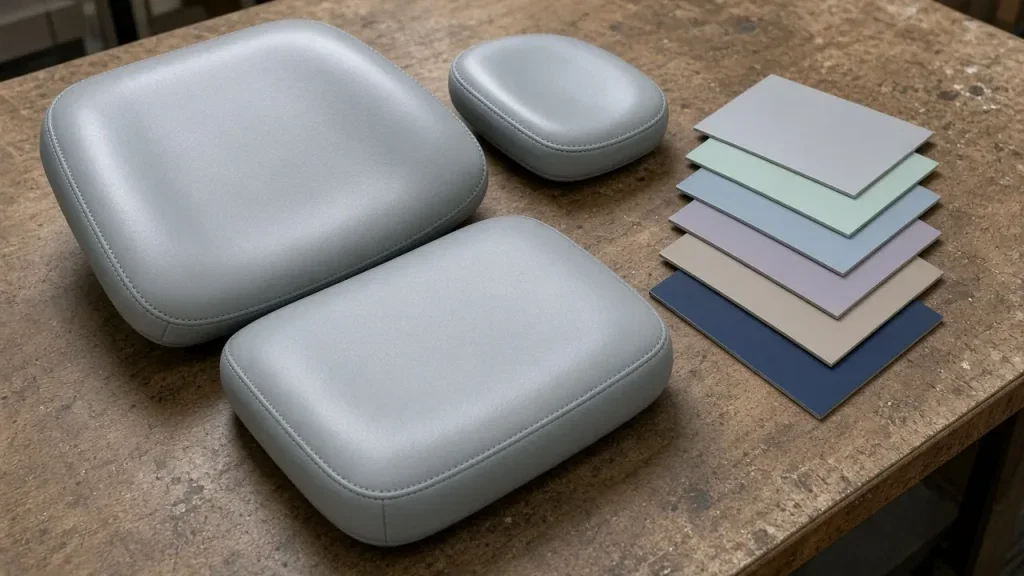
Choosing materials
Healthcare vinyl comes in many colors and textures. When selecting a material, think about:
- How well it stands up to the cleaners and disinfectants your office uses
- Abrasion resistance for heavy daily use
- Comfort and softness for patients
- Color that suits your operatory and hides minor scuffs
- California flammability requirements, such as TB 117-2013, for upholstered furniture where applicable
Fitting the new cover
Dental chair pads often have contoured shapes, curves and seams. Careful patterning and fitting create a smooth, wrinkle-free surface. Tight corners and clean seams aren’t just about looks. They help reduce places where debris can collect.
Reinstallation
Once finished, the pads are reattached to the chair. The chair is wiped down, checked and ready for patients.
What Affects the Scope of a Dental Chair Project
Every quote depends on the details of your chairs, so it helps to know what an upholsterer will look at. Understanding these factors makes it easier to compare options and plan your budget.
- Number of pads. A chair with a separate seat, backrest, headrest and armrests has more pieces to pattern and cover than a simpler design.
- Pad construction. Some pads use flat wood boards, while others use molded plastic shells with clips and contours that take more time to strip and refit.
- Foam condition. If the original foam is still resilient, it may be reused. Collapsed or water-damaged foam needs to be replaced.
- Material choice. Healthcare vinyls vary in construction, finish and performance, and your selection affects the overall project.
- Quantity. Doing several chairs, stools and waiting room pieces together can make scheduling more efficient.
A note on seamless designs
Some chairs use seamless or welded-look upholstery, while others have stitched seams. Your upholsterer can explain how your pads are built and which finishing approach fits them best. In general, fewer exposed seams in the patient contact area means fewer places for debris to collect, which is worth discussing when you choose a design.
Planning Around Your Patient Schedule
The biggest concern for most practices is keeping chairs available. A few strategies help:
- Work in phases. Reupholster one or two operatories at a time so the rest of the office keeps running.
- Use slower days. Schedule pad removal at the end of a workday or before a day with fewer appointments.
- Plan material in advance. Choose your vinyl and color before the pads come off so the work can move quickly.
- Bundle the project. Include operator stools, assistant stools and waiting room chairs if they also need attention.
Ask your upholsterer for a realistic timeline based on your chair models, the number of pads and material availability.
Choosing Colors for a Modern Operatory
Reupholstery is a chance to refresh the feel of your office. Many practices choose calm, soft tones that feel clean and welcoming, such as light blues, sage greens, warm grays and neutral taupes. Others use upholstery to reinforce brand colors.
A few tips:
- Look at swatches under your operatory lighting, not just in daylight
- Consider how the color looks next to cabinetry, flooring and walls
- Darker shades may hide minor marks, while lighter colors feel bright and airy
- Keep colors consistent across rooms for a cohesive look
Caring for New Dental Chair Upholstery
Once your chairs are refreshed, good habits help them last longer:
- Follow the product label. Use disinfectants at the recommended dilution and contact time.
- Avoid residue buildup. Some cleaners leave a film. Ask your supplier whether a periodic wipe with water or a mild cleaner is recommended.
- Use barriers where appropriate. Headrest covers and chair sleeves can reduce direct contact on high-use areas.
- Skip abrasive tools. Scrub pads and stiff brushes can damage the vinyl’s surface.
- Inspect regularly. Check seams and edges as part of your routine so small problems are caught early.
Dental Chair Reupholstery in the East Bay
Leo’s Upholstery serves dental offices throughout the East Bay and the greater San Francisco Bay Area from our shop in San Leandro. We help practices restore dental chair pads, stools and reception seating with healthcare-appropriate materials. Learn more about our medical upholstery services or explore our chair upholstery work.
We’re happy to look at your chairs, talk through materials and colors, and give you a straightforward quote.
Frequently Asked Questions
Can you reupholster any dental chair brand?
We work with many types of dental chair pads. Because designs vary, we’ll look at your chair model and pads before confirming the best approach.
Do the pads need to be removed from the chair?
In most cases the pads come off so they can be rebuilt in our shop. Depending on your chair, your team or your equipment technician may remove them, or we can discuss options.
Will reupholstery affect how the chair works?
Reupholstery covers the pads, not the mechanical or electrical systems. Pads are reinstalled as they were designed to fit. If you have mechanical concerns, have your equipment technician check them.
How long will my operatory be out of service?
It depends on the number of pads, the condition of the foam and material availability. We’ll work with you to set a schedule that minimizes downtime.
Can you match my practice’s colors?
We can show you a range of healthcare vinyl colors and help you find a good match or coordinating shade.
Breathe New Life into Your Dental Chairs
Worn upholstery doesn’t have to mean a new chair. If the equipment still works well, reupholstery can restore a clean, comfortable and professional look that patients notice.
Call Leo’s Upholstery at (510) 895-3632 or request a quote online. Our San Leandro shop at 1835 E 14th St is open Monday through Friday from 8 AM to 4:30 PM and Saturday from 7 AM to noon. Tell us about your chairs, and we’ll help you decide whether restoring is the right move.