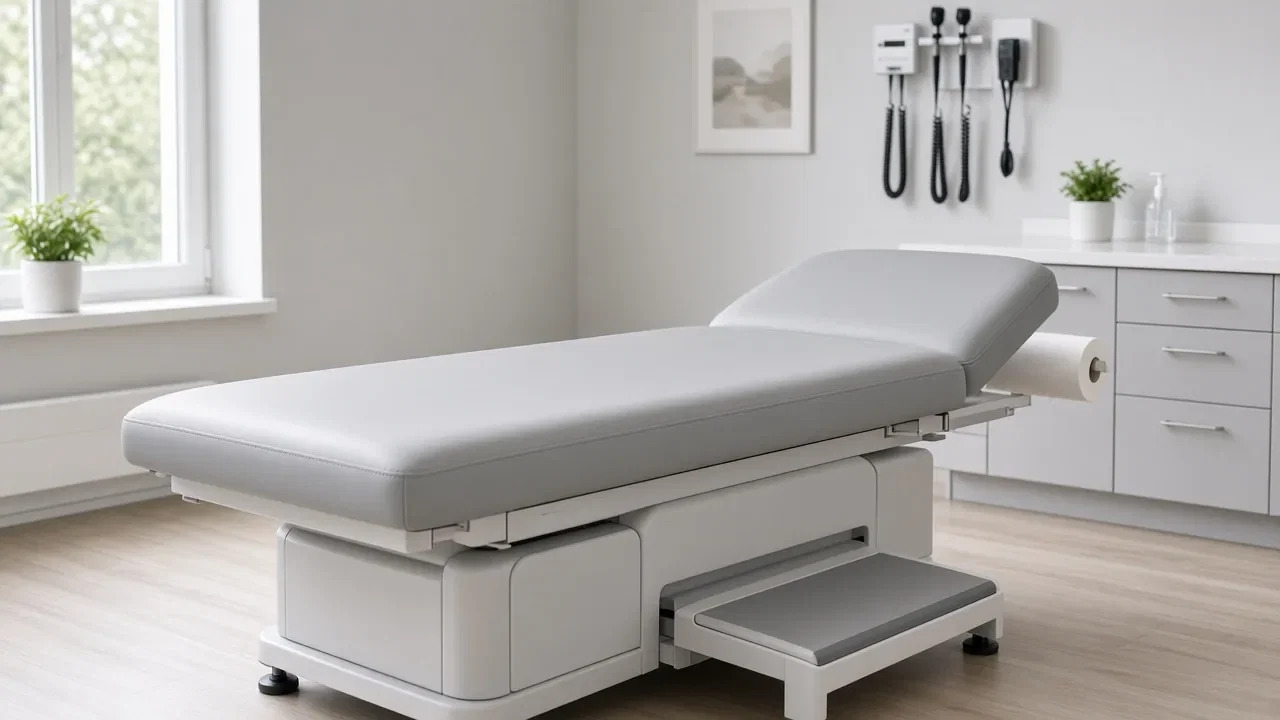
A medical exam table takes more abuse than almost any other piece of furniture in a clinic. Patients sit, slide, shift and climb down from it all day. Staff wipe it between every visit. Paper rolls drag across it, and the edges get bumped by stools, carts and equipment. Over time, even good vinyl starts to wear out.
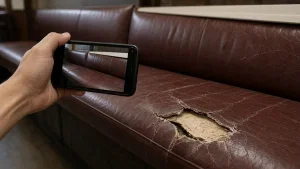
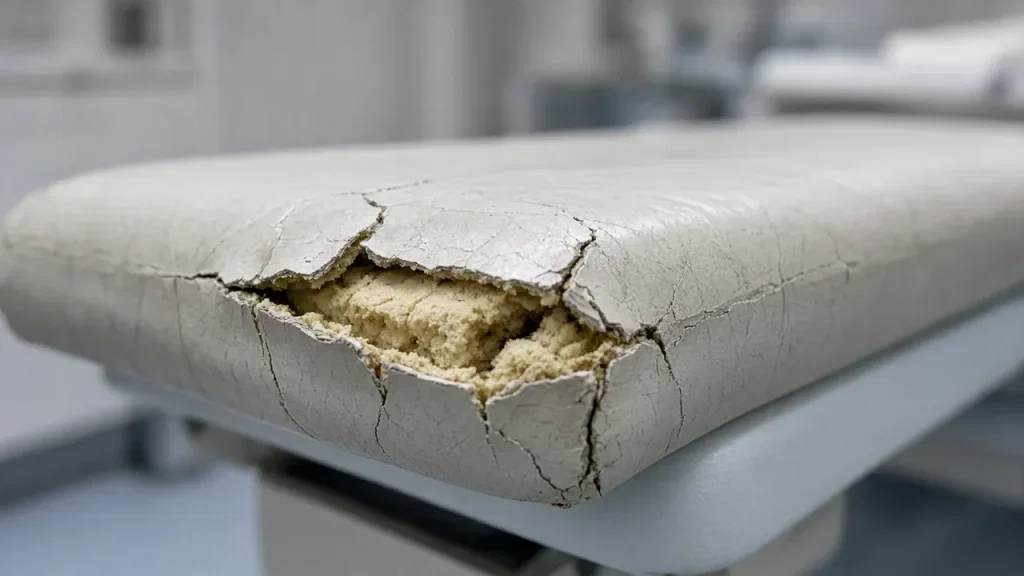
When that wear turns into a crack, split seam or tear, it is easy to treat it as a cosmetic issue and promise to deal with it later. But a damaged exam table surface is more than an eyesore. It can make cleaning less reliable, it can catch on clothing or skin, and it sends patients the wrong message about how carefully the clinic is run.
The good news is that a worn exam table usually does not need to be replaced. In many cases the frame, base and mechanics are still in good shape, and only the cushions need attention. This guide explains why tears matter, what to look for, and how professional reupholstery can get your tables back in service with little disruption.
Why a Small Tear Is a Bigger Problem Than It Looks
Exam table upholstery is designed to be a smooth, continuous barrier. The vinyl sits over foam padding and a wood or composite base, and its job is to keep fluids, dirt and microorganisms on the surface where staff can wipe them away. Once that barrier is broken, the cushion underneath is exposed.
Exposed foam can’t be cleaned the way vinyl can
Upholstery foam is porous, like a sponge. When a cushion splits open, liquids from cleaning products, body fluids or spills can seep through the opening and into the foam. Surface wiping cannot reach what has soaked inside. That is why many infection prevention guidelines ask healthcare facilities to repair or replace upholstered surfaces that are cracked, torn or otherwise damaged. Damage defeats the cleaning routine your staff works hard to follow.
Cracks and seams trap residue
Not every problem is a dramatic rip. Fine surface cracking, peeling top coats and loose seams can all hold residue. Cracks create tiny channels where grime collects, and disinfectant may not stay in contact with those spots long enough to do its job. A surface that looks only slightly worn may be harder to clean than it appears.
Damaged surfaces can be uncomfortable or unsafe
Sharp, hardened edges on cracked vinyl can scratch skin or snag a gown. Duct tape and patch kits often leave sticky edges and ridges that collect dirt and lift over time. A sagging, uneven cushion can also make it harder for some patients to get on and off the table comfortably.
Patients notice
People judge a clinic by what they can see. A torn exam table can make patients wonder what else might be overlooked, even when your clinical care is excellent. A clean, intact table quietly supports trust from the moment a patient sits down.
Common Causes of Exam Table Upholstery Damage
Understanding why tables wear out helps you choose the right repair and extend the life of the new covering.
- Harsh or incompatible cleaners. Some disinfectants and cleaning products can dry out or degrade certain vinyls over time, leading to stiffness, cracking and color changes.
- Constant friction. The edge where patients sit and slide off usually fails first. Paper rolls also rub the same areas again and again.
- Sharp objects and equipment. Buckles, keys, rivets on clothing, instrument trays and rolling stools can all nick the surface.
- Age and heat. Vinyl naturally loses flexibility over the years, especially near windows, heaters or lights.
- Compressed foam. When foam breaks down, the cover flexes more with each use, which puts more stress on seams and corners.
Patch, Replace or Reupholster?
When a table is damaged, clinic managers usually weigh three options. Each has its place.
Temporary patches
Vinyl repair kits and tape can be a short-term bridge until a proper repair is scheduled. They should not be treated as a permanent fix. Patches can create edges and gaps, may not hold up to repeated disinfection, and often look worse over time.
Replacing the entire table
If the table’s frame is bent, its lift or tilt mechanisms are failing, or it no longer meets the clinic’s needs, replacement may make sense. However, buying a new table often means a bigger expense, a longer lead time and disposing of a perfectly usable base.
Reupholstering the cushions
For many clinics, reupholstery is the practical middle path. The table stays in the room, the cushions are removed, and an upholsterer replaces the cover and, when needed, the foam. The result is a fresh, intact surface on equipment your staff already knows.
Reupholstery often makes the most sense when:
- The frame, base and moving parts are in good working order
- The damage is limited to the vinyl, seams or foam
- You want to match a particular color or update the room’s look
- You’d prefer to avoid a long wait for new equipment
What Happens During Exam Table Reupholstery
The process is straightforward, and a good shop will explain each step before starting.
1. Assessment
The upholsterer looks at the condition of the vinyl, seams, foam and base board. Water damage, broken staples or a cracked base may need attention along with the cover. This is also the moment to talk about how the table is used and how it is cleaned.
2. Material selection
You choose a vinyl suited to healthcare use. Look for products intended for medical or contract seating, and ask about compatibility with the cleaners and disinfectants your clinic actually uses. Color matters too. Many clinics take the chance to choose a shade that fits the rest of the room.
3. Removal and rebuild
The old cover is carefully removed so the base and foam can be inspected. Foam that has flattened, crumbled or absorbed moisture is usually replaced. The base board may be reinforced or replaced if it is weak.
4. New cover and finishing
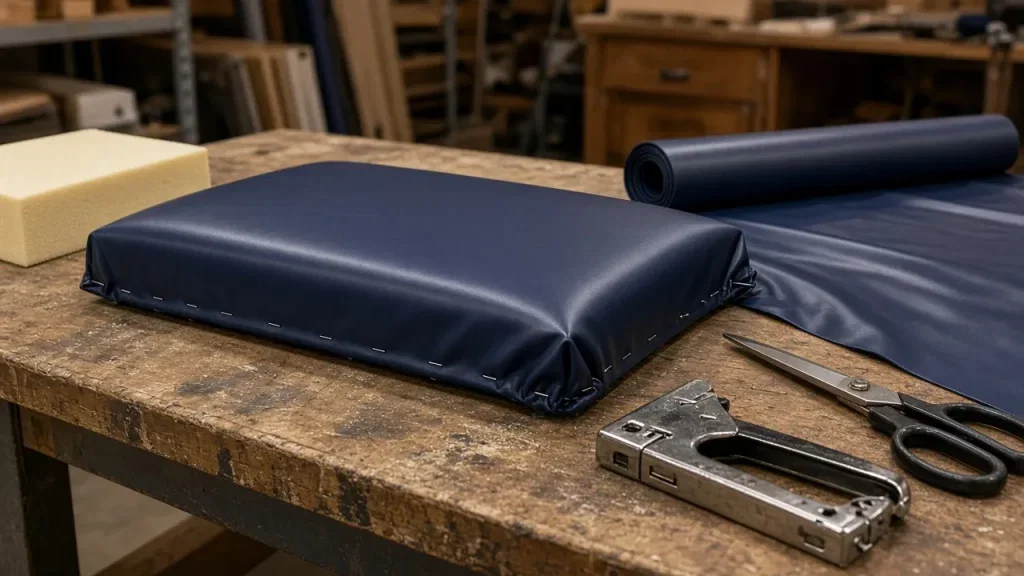
The new vinyl is cut, fitted and fastened with tight, smooth corners. Careful work around the edges and corners matters, because loose areas and wrinkles can become new weak points.
5. Reinstallation
The finished cushions go back onto the table, and the table is ready to clean and put back into use.
How Quickly Can Tables Be Back in Service?
Turnaround depends on the number of tables, the condition of the foam and base, and material availability. Exam table cushions are usually removable, which makes the work much easier to schedule than a full equipment replacement.
To keep disruption low, many clinics:
- Schedule work on slower days or around closures
- Reupholster tables in phases so some rooms stay open
- Order material early so the job can move quickly once cushions are removed
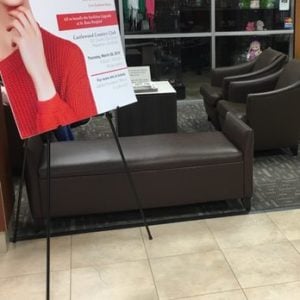
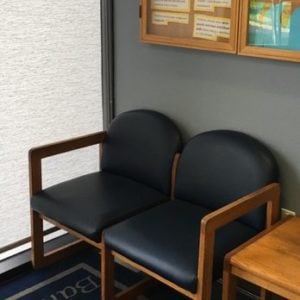
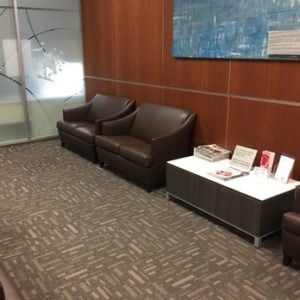
- Combine exam tables with other seating, such as stools or waiting room chairs, in one visit
Ask your upholsterer for a realistic timeline based on your specific tables. A clear schedule up front helps your front desk plan appointments around the work.
Choosing the Right Vinyl for Exam Tables
Not all vinyl is created equal, and the cheapest material is rarely the best value in a clinical setting. When comparing options, consider:
- Cleanability. Choose a surface designed to be wiped often and ask about compatibility with your disinfectant products.
- Durability. Commercial-grade vinyl is made for heavy use. Ask about abrasion resistance and how the material holds up over time.
- Flexibility. Vinyl that stays supple handles bending at corners and edges better.
- Fire safety. California has upholstered furniture flammability requirements, including the TB 117-2013 standard. Your upholsterer can help you choose materials suitable for your application.
- Color and finish. Lighter colors show soiling sooner, which can encourage regular cleaning. Medium tones can hide minor wear. Pick what works for your space and staff.
Extending the Life of Your Exam Table Upholstery
Once your tables are refreshed, a few habits help them last:
- Follow your disinfectant’s directions. Use the right dilution and contact time, and avoid mixing products.
- Wipe off residue. Some cleaners leave a film that can harden over time. Ask your product supplier whether a rinse or plain-water wipe is recommended.
- Use the right cloths. Avoid abrasive scrub pads and brushes that can scratch vinyl.
- Inspect regularly. Add a quick visual check of tables to your room-turnover or weekly routine. Catching a small seam issue early is easier than dealing with a full split.
- Watch for sharp objects. Keep instrument trays and carts from rubbing the cushion edges.
A Simple Inspection Checklist for Clinic Managers
Use this checklist to decide which tables need attention:
- Are there any cracks, tears, punctures or splits in the vinyl?
- Are seams opening or stitching pulling apart?
- Is foam visible anywhere?
- Is the surface sticky, peeling or stiff?
- Do any patches, tape or repair kits remain on the surface?
- Does the cushion feel flat, lumpy or uneven?
- Are corners and edges smooth and intact?
If you answer yes to any of these, it is a good time to request a professional opinion.
Exam Table Reupholstery for Bay Area Clinics
Leo’s Upholstery works with healthcare offices throughout the East Bay and greater San Francisco Bay Area. Our shop is in San Leandro, which makes it convenient for clinics in Oakland, Hayward, Castro Valley, Alameda and nearby communities. We handle exam tables, treatment tables, stools, waiting room seating and other clinical furniture. You can learn more about our medical upholstery services and our broader commercial upholstery work.
We’ll look at your tables, talk through material options, and give you a clear quote and plan that fits around your patient schedule.
Frequently Asked Questions
Can a small exam table tear wait a few weeks?
A small tear can grow quickly with daily use, and it exposes the foam underneath to moisture and residue. A temporary covering may help for a short time, but it is best to schedule a proper repair soon.
Is reupholstery a good alternative to buying a new exam table?
Often, yes. If the table’s frame and mechanisms work well, new vinyl and foam can give it a fresh, cleanable surface without the cost and wait of replacing the entire unit.
Will the new vinyl handle our disinfectants?
Many healthcare vinyls are designed for frequent cleaning, but compatibility varies by product. Share the names of your cleaners and disinfectants so your upholsterer can help you choose a suitable material.
Can you match our existing color?
In many cases we can find a close match or help you choose a new color that coordinates with the room. Bringing a photo or sample helps.
Do you work on other clinic seating?
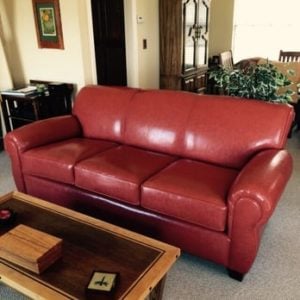
Yes. Along with exam tables, we can reupholster stools, side chairs, recliners and waiting room furniture so your space looks consistent.
Get Your Exam Tables Back in Top Shape
Torn exam table upholstery doesn’t have to become a long-running problem. With an inspection and a professional reupholstery plan, your tables can return to service with a clean, intact surface that is easy to maintain.
Call Leo’s Upholstery at (510) 895-3632 or request a quote online. Our San Leandro shop at 1835 E 14th St is open Monday through Friday from 8 AM to 4:30 PM and Saturday from 7 AM to noon. Tell us how many tables you have and what condition they are in, and we’ll help you plan the next step.